
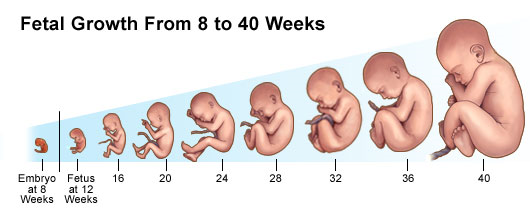
Growth Scan: What Should You Expect?
A growth scan, also known as a fetal growth scan, is a specialized ultrasound performed during pregnancy to assess the growth and well-being of your baby. This scan is typically conducted in the third trimester but can be performed at any stage of pregnancy if there are concerns about the baby’s growth. Here’s a detailed guide on what to expect from a growth scan, including preparation, the procedure, and what happens afterward.
What is a Growth Scan?
A growth scan is an ultrasound examination that measures various aspects of the baby’s growth and development to ensure that they are growing at a normal rate. It helps monitor the baby’s health, especially if there are concerns about growth restrictions or other complications.
Why is a Growth Scan Important?
- Monitoring Growth: The scan measures the baby’s size and checks if they are growing at a normal rate.
- Assessing Well-Being: It evaluates the baby’s overall health and well-being, including the amniotic fluid levels and placenta function.
- Detecting Complications: The scan can identify potential issues such as growth restrictions, too much or too little amniotic fluid, and placental problems.
- Planning Delivery: If any issues are detected, the scan can help plan the timing and method of delivery to ensure the best outcomes for both mother and baby.
When is a Growth Scan Performed?
A growth scan is typically performed in the third trimester, around 28-32 weeks of pregnancy. However, it can be done earlier or later if there are specific concerns about the baby’s growth or health.
Indications for a Growth Scan
- Concerns About Baby’s Size: If the baby is measuring smaller or larger than expected.
- Previous Pregnancy Complications: History of growth restrictions or other complications in previous pregnancies.
- Maternal Health Conditions: Conditions such as diabetes, high blood pressure, or obesity.
- Multiple Pregnancies: Monitoring the growth of twins or multiples.
- Reduced Fetal Movements: If there is a concern about decreased fetal movements.
- Low or High Amniotic Fluid Levels: Assessing the amount of amniotic fluid.
Preparing for the Growth Scan
Timing and Booking
- Scheduling the Scan: Your healthcare provider will schedule the growth scan as part of your routine prenatal care or if there are specific concerns about your baby’s growth.
- Optimal Timing: The scan is usually performed around 28-32 weeks, but the timing can vary based on individual circumstances.
Preparation Tips
- Hydration: Unlike earlier scans, a full bladder is not usually required for the growth scan. However, drinking some water before the appointment can still help produce clearer images.
- Clothing: Wear comfortable, loose-fitting clothing. You may need to partially undress or lift your top to expose your abdomen for the scan.
- Support Person: Consider bringing your partner or a support person to share this important moment.
During the Growth Scan
The Procedure
- Positioning: You will lie on an examination table. The ultrasound technician (sonographer) will apply a special gel to your abdomen to help conduct the sound waves.
- Transducer: The sonographer will move a handheld device called a transducer over your abdomen. The transducer sends out sound waves that bounce off the baby and create images on a monitor.
- Imaging: The sonographer will capture various images and measurements of the baby’s organs and structures, systematically examining each part.
- Duration: The scan typically takes about 20-30 minutes, depending on the baby’s position and the clarity of the images.
What You Will See
- Live Images: You’ll see live images of your baby on the monitor. The sonographer will point out different parts of the baby’s anatomy, explaining what you are seeing.
- Detailed Examination: The sonographer will check the baby’s head, brain, face, spine, heart, stomach, kidneys, bladder, arms, legs, hands, and feet.
Key Measurements Taken During the Growth Scan
- Head Circumference (HC): Measures the size of the baby’s head.
- Abdominal Circumference (AC): Measures the size of the baby’s abdomen.
- Femur Length (FL): Measures the length of the baby’s thigh bone.
- Estimated Fetal Weight (EFW): Combines various measurements to estimate the baby’s weight.
Assessing Amniotic Fluid and Placenta
- Amniotic Fluid Levels: The sonographer will measure the amount of amniotic fluid surrounding the baby to ensure it is within the normal range.
- Placental Position and Function: The scan assesses the position and function of the placenta, ensuring it is providing adequate support to the baby.
After the Growth Scan
Discussing the Results
- Immediate Feedback: The sonographer will usually explain the findings during the scan. However, a detailed report will be prepared and sent to your healthcare provider.
- Follow-Up: If any abnormalities or concerns are detected, your healthcare provider will discuss the results with you and may recommend further tests or follow-up scans.
Handling Uncertainty
- Additional Testing: In some cases, additional testing such as a fetal echocardiogram, MRI, or genetic testing may be recommended to get more detailed information.
- Specialist Referral: If significant issues are found, you may be referred to a specialist for further evaluation and management.
Emotional Considerations
- Anticipation and Anxiety: It’s natural to feel a mix of excitement and anxiety before the scan. Remember, the majority of growth scans show normal development.
- Support: Bring a partner, family member, or friend for emotional support. Discuss any concerns with your healthcare provider before and after the scan.
A growth scan is a crucial part of prenatal care, providing detailed information about your baby’s growth and development. Understanding what to expect can help you prepare for the scan and make the experience more enjoyable and less stressful. It is a reassuring step to ensure your baby is developing well and helps in planning for a safe delivery if any complications are detected.
For more information or to schedule a growth scan, please contact London Private Ultrasound. Visit our website at www.londonsono.com, call us at 02071013377, or email us at [email protected]. Take proactive steps towards ensuring a healthy pregnancy today.