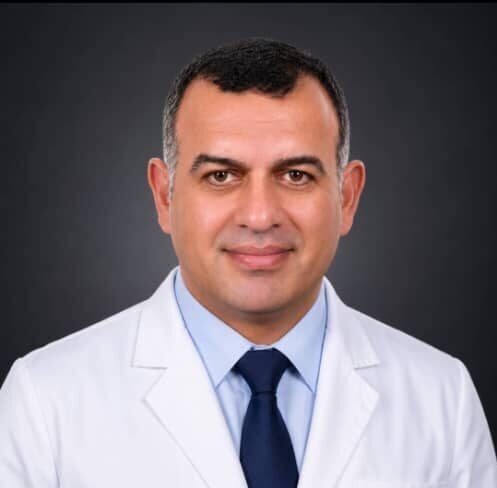


Dr Babak Soleimanpour
Medical Director · GP
MD · MRCGP · DRCOG · GMC-registered clinical governance.
A fast, discreet and non-invasive scrotal ultrasound to assess lumps, pain, swelling, varicocele, hydrocele, inflammation, fertility-related concerns and suspected testicular tumours. Your findings are explained clearly, with a same-day written report and images.
The scan is designed to assess the structures most commonly involved in scrotal pain, swelling, lumps and fertility-related concerns.
Size, shape, texture and focal changes such as suspicious masses, calcification or trauma-related changes.
Assessment for cysts, swelling, inflammation and tenderness-related changes around each testicle.
Fluid collections including hydrocele, cystic changes and scrotal wall thickening where visible.
Doppler assessment for varicocele, inflammation and reduced or altered flow where torsion or vascular change is clinically relevant.
Ultrasound is the primary imaging method for many scrotal symptoms because it shows soft tissue, fluid and blood-flow features in real time.
| Clinical concern | What the scan assesses |
|---|---|
| Testicular lump or mass | Whether a lump appears within the testicle or outside it, and whether appearances require urgent urology review. |
| Testicular pain or swelling | Inflammation, infection, torsion-related blood-flow concern, trauma, cysts or fluid collection. |
| Varicocele | Enlarged scrotal veins and Doppler flow changes, often relevant to heaviness, aching or fertility assessment. |
| Hydrocele | Fluid around the testicle and whether it is simple or complex. |
| Epididymal cyst / spermatocele | Cystic changes in or around the epididymis and their size/location. |
| Trauma | Haematoma, swelling, testicular contour changes and blood-flow features where appropriate. |
| Fertility-related concerns | Testicular size, varicocele, cysts and other structural findings that may support broader fertility work-up. |
Many scrotal symptoms are benign, but a new lump, persistent swelling or unexplained pain should not be ignored.
Any new lump, hard area or change in testicular shape should be assessed promptly.
Useful for inflammation, infection, trauma or fluid-related concerns.
May be associated with varicocele, hydrocele or other scrotal conditions.
Often combined with semen analysis, hormone profile or wider men’s health assessment.
Sudden severe testicular pain, especially with swelling, nausea, vomiting or a high-riding testicle, may be testicular torsion. This is a surgical emergency. Do not wait for a routine private scan — attend A&E / urgent care immediately.
A simple, respectful appointment with clear explanation and a same-day written report.
You are welcomed by the clinic team and shown to a private room. A short clinical history confirms the reason for the scan and any relevant symptoms.
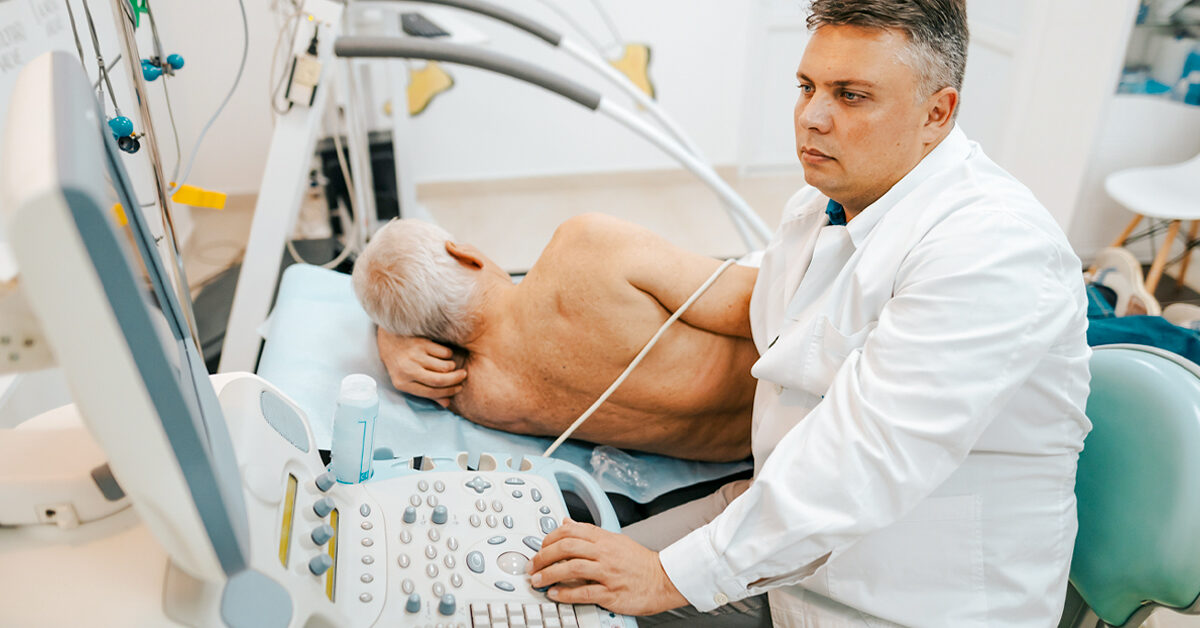
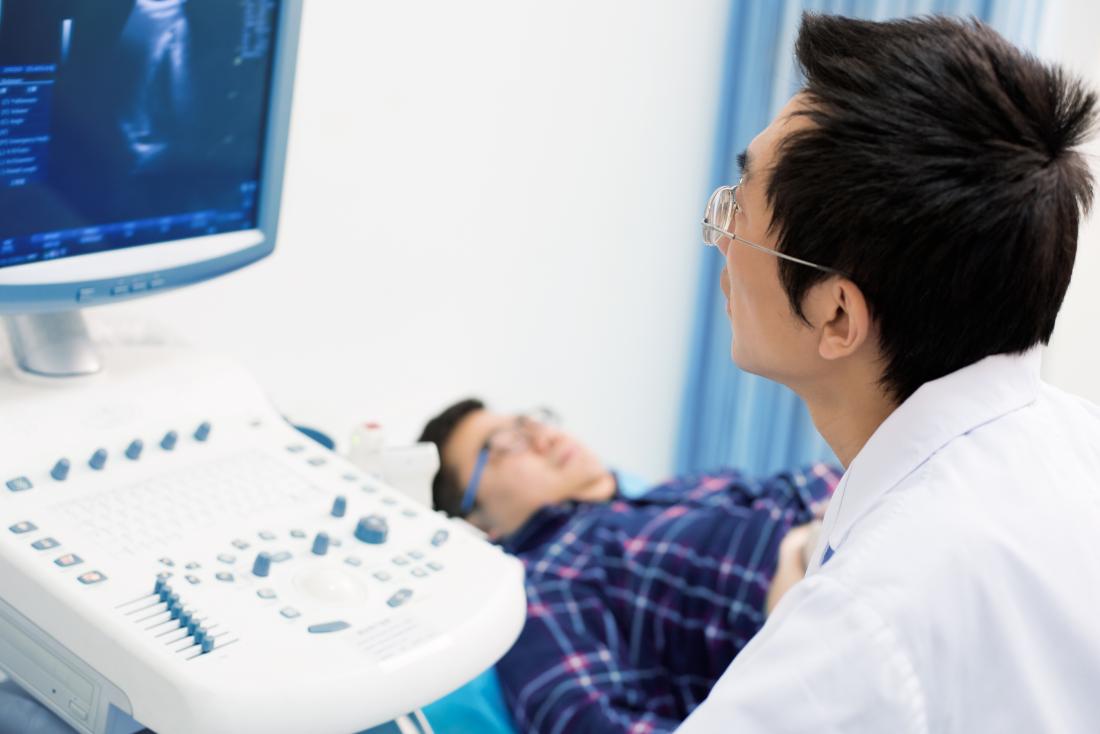
You lie on the couch while warm gel is applied. The ultrasound probe is moved gently over the scrotum to assess both testicles, epididymides and surrounding structures.
Findings are explained clearly during the visit where appropriate. Your written report with images follows the same day and can be shared with your GP or urologist.
Loose clothing makes changing and the scan process easier.
This helps maintain dignity while allowing the sonographer to scan properly.
Previous ultrasound reports, urology letters or blood tests can help comparison.
You can eat, drink and take regular medication as usual unless told otherwise.
£219
Includes ultrasound assessment, measurements, images and a same-day written report.
Can be combined with fertility investigations, hormone blood tests, infection screening, prostate or abdominal ultrasound where clinically appropriate.
Your scan is performed by experienced ultrasound clinicians within a CQC-registered diagnostic pathway.

Medical Director · GP
MD · MRCGP · DRCOG · GMC-registered clinical governance.

Medical Doctor
Radiology and ultrasound specialist interest · GMC registered.

Co-Founder · Medical Writer · Commercial Director
Non-clinical at LPU · content editorial and service information governance.
Clinical review: Dr Babak Soleimanpour, Medical Director. Content editorial: Mr Pedram Aghaei, Co-Founder · Medical Writer · Commercial Director · Non-clinical at LPU. Reviewed: 19/06/2026 · Next review due: 19/12/2026.
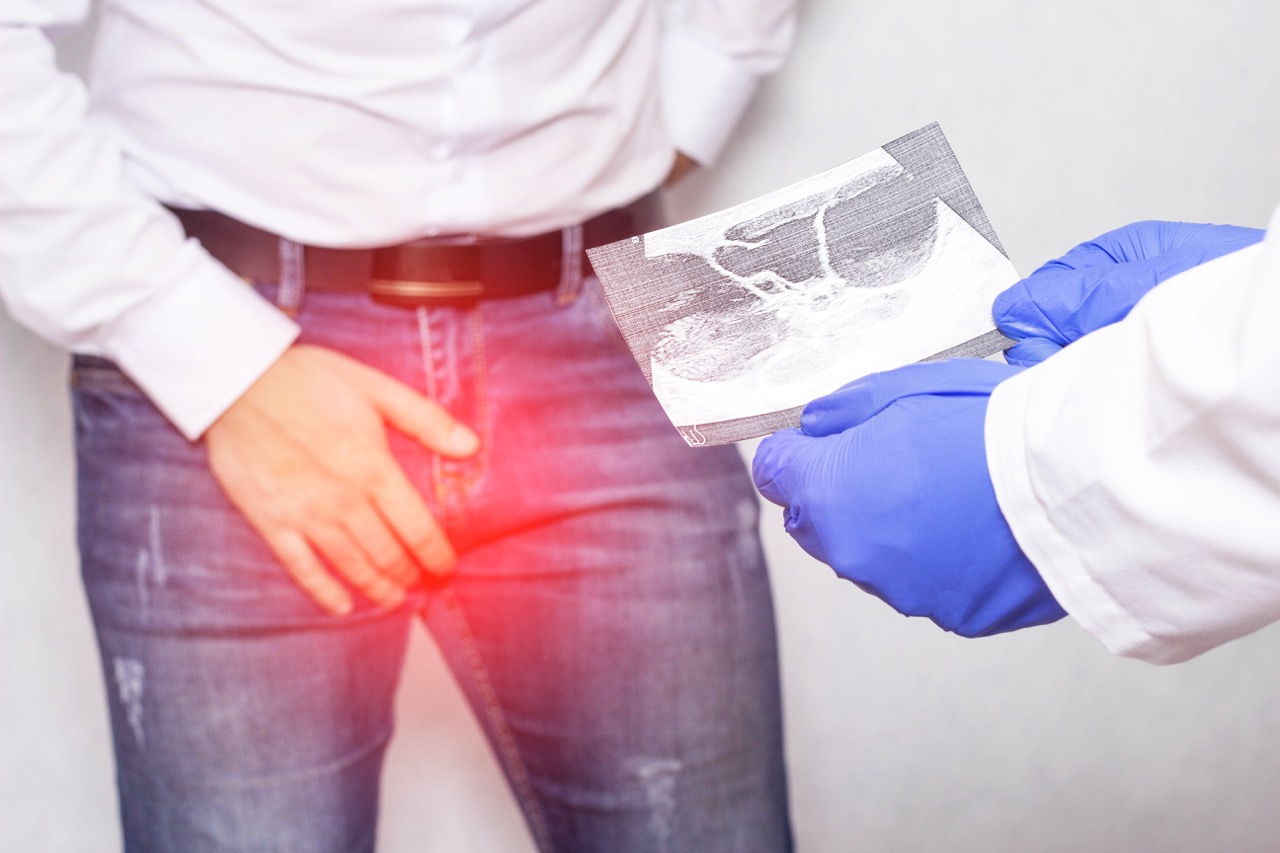
A testicular ultrasound, also called a scrotal ultrasound, is a safe, painless scan that uses sound waves to assess the testicles, epididymides, scrotal sac and surrounding tissues.
It can help investigate a lump, swelling, pain, tenderness, heaviness, visible veins, fluid around the testicle, trauma, infection, inflammation and fertility-related concerns.
Ultrasound is the main first-line imaging test for assessing a testicular lump or suspected tumour. It cannot replace specialist clinical management, but it helps distinguish many benign and suspicious appearances and guides next steps.
Ultrasound with Doppler can help assess blood flow when torsion is suspected. Sudden severe testicular pain is an emergency and should be assessed urgently through A&E or urgent urology pathways.
Yes. A scrotal ultrasound can assess enlarged scrotal veins and Doppler flow patterns consistent with varicocele, which may be relevant for discomfort or fertility assessment.
Yes. Ultrasound can identify fluid around the testicle, epididymal cysts, spermatoceles and other benign scrotal fluid or cystic findings.
No. The scan is non-invasive and usually painless. Warm gel is applied to the scrotum and a small ultrasound probe is moved gently over the area.
The scan itself usually takes around 10 to 15 minutes, although appointment time may vary depending on symptoms and findings.
No special preparation is needed. Wear comfortable clothing and you may be asked to change into a gown for dignity and access.
No GP referral is required. You can book the scan directly online, by phone or by WhatsApp.
Yes. Findings are explained during the appointment where appropriate, and a same-day written report with images is provided.
Yes. The written report is suitable to share with your GP, urologist, fertility specialist or insurer where relevant.
Yes. The appointment, discussion and report are handled with strict medical confidentiality and respect.
Yes. Many patients combine testicular ultrasound with fertility investigations, hormone blood tests, infection screening, prostate or abdominal ultrasound where clinically appropriate.
This page is designed for adult patients. For patients under 18, please call the clinic first so suitability and safeguarding arrangements can be confirmed before booking.
The clinician will explain the finding and advise on next steps, which may include GP follow-up, urology referral, urgent assessment, blood tests or interval ultrasound depending on the situation.
The scan is listed at £219, including ultrasound assessment, measurements, images and a same-day written report. Please verify the live booking calendar before publishing if the product price has recently changed.
Appointments are available at London Private Ultrasound clinics in Central London, 27 Welbeck Street, and St Albans, 54–56 Victoria Street.
Yes. London Private Ultrasound is registered with the Care Quality Commission and the Information Commissioner’s Office.
Clinical governance is led by Dr Babak Soleimanpour, Medical Director. Content editorial and non-clinical page governance are provided by Mr Pedram Aghaei, Co-Founder, Medical Writer and Commercial Director, Non-clinical at LPU.
Book your scan at our Central London or St Albans clinic.
Discreet men’s health ultrasound with no GP referral, same-day written report and clear next-step guidance.