
Private ECG Test
Heart rhythm check · 15–20 minutes£119
- 12-lead resting ECG
- Heart rate, rhythm & conduction
- Specialist review · same-day report
- No GP referral needed
12-lead resting ECG · Harley Street, Central London & St Albans · 7 days a week
An ECG (electrocardiogram) is a quick, painless and non-invasive test that records the electrical signals produced by your heart. Small sticky electrodes are placed on your chest, wrists and ankles, and the ECG machine records a trace that shows your heart rate, rhythm and electrical conduction.
At London Private Ultrasound a private 12-lead ECG costs £119, with no GP referral and same-day appointments in Central London and St Albans. The recording takes 5 to 10 minutes, your trace is specialist-reviewed, and you get a same-day written report.
People usually book an ECG for palpitations, a fast, slow or irregular pulse, dizziness, a pre-operative, sports or work check, medication monitoring, or peace of mind about their heart.
Want more than your rhythm checked? For £649 you get a 12-lead ECG, a carotid artery scan, an ankle-brachial index, an abdominal aortic aneurysm scan and a cardiologist review of every result, in one 60-minute visit. Compare the options.
| Price | £119, including specialist review and report. Heart Health & Stroke Risk Screening £649 |
|---|---|
| Test | 12-lead resting ECG (electrocardiogram, also called an EKG) |
| Time | Recording 5–10 minutes · appointment 15–20 minutes |
| Results | Same-day written report, shareable with your GP or cardiologist |
| GP referral | Not needed · book online or by phone |
| Where & when | 27 Welbeck Street, London W1G 8EN · 54–56 Victoria Street, St Albans AL1 3HZ · 7 days, 9am–7pm |
Choose the ECG on its own for a heart rhythm check, or the Heart Health & Stroke Risk Screening for a full check of your heart and circulation in one visit.
£119
£649
Choose a test to see live times at Central London or St Albans. For same-day availability call 020 7101 3377. If you have chest pain now, call 999.
An ECG is the usual first heart test when something feels off with your heartbeat, or when a doctor, employer or sports body asks for one.
A racing, pounding, fluttering or skipping heartbeat.
Light-headed spells or blackouts, once anything urgent has been ruled out.
High blood pressure, diabetes, high cholesterol or a smoking history.
When a surgeon, employer, sports club or insurer asks for an ECG report.
Some medicines can affect heart rhythm and need a baseline or follow-up ECG.
Heart rhythm problems or sudden cardiac death in the family, or a result to recheck.
The whole visit takes 15 to 20 minutes. There is nothing to prepare, and you can go straight back to your day afterwards.
Tell us about any symptoms, medication or previous heart tests. Bring old ECGs or letters if you have them. A chaperone is available on request.
You lie on a couch with your top removed. Ten small sticky electrodes go on your chest, wrists and ankles. A few small areas of chest hair may be clipped.
The machine records 12 views of your heart’s electrical activity. It is painless: no needles, no radiation and no electricity going into your body.
Your trace is specialist-reviewed and you get a same-day written report, with clear advice if an echo, Holter monitor or cardiology review would help.
An ECG records your heart’s electrical signals from 12 angles. It shows what your heart is doing during the recording, and can pick up the following.
An irregular heart rhythm that raises stroke risk, if it is present during the test.
Tachycardia, bradycardia and other rate problems behind palpitations or dizziness.
Delays in the electrical signal passing through the heart.
Patterns that suggest earlier damage to the heart muscle.
Thickening or strain, often linked to long-term high blood pressure.
Long QT and other changes caused by some medicines or blood salts.
What an ECG can’t show: it doesn’t show your heart valves, pumping strength or narrowed arteries, and it can miss symptoms that come and go. Your report will say if an echocardiogram, a Holter monitor or a cardiology consultation would help.
| ECG | Holter monitor | Echocardiogram | |
|---|---|---|---|
| What it checks | Rhythm and electrical activity, right now | Rhythm over 3, 5 or 7 days | Heart structure, valves and pumping |
| Best for | Palpitations, irregular pulse, check-ups | Symptoms that come and go | Murmurs, breathlessness, abnormal ECG |
| Time | 5–10 minutes | Worn at home | 20–30 minutes |
| Price | £119 Book ECG | From £449 Book Holter | £299 Book Echo |
Need a different heart test? Cardiologist consultations, heart health checks and every other heart test we offer are listed at our Private Cardiology Clinic.
A private resting ECG in the UK usually costs between about £85 and £155. Ours is £119, and that is the whole price. On the NHS an ECG is free with a GP or hospital referral.
| 12-lead resting ECG (5–10 minute recording) | Included |
| Specialist review of your ECG trace | Included |
| Same-day written report, shareable with your GP or cardiologist | Included |
| Advice on next steps if anything needs follow-up | Included |
| Total, all-inclusive | £119 |
No booking fee and no report fee. For a full heart and circulation check, the Heart Health & Stroke Risk Screening is £649.
Book today, 7 days a week from 9am to 7pm, with no GP referral.
Specialist-reviewed and written so your GP or cardiologist can use it.
A cardiology team on hand if your ECG needs a closer look.
Echo, Holter monitoring and blood tests in the same clinic if you need them.
Harley Street Medical District in Central London, and St Albans.
CQC-registered, rated 4.8 on Google from 1,200+ reviews.
Private ECG appointments at both clinics, 7 days a week from 9am to 7pm, with same-day slots often available and no GP referral needed.
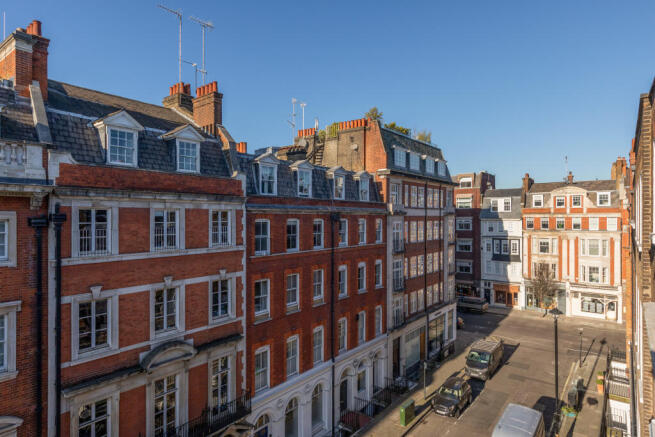
27 Welbeck Street, London W1G 8EN
Two minutes from Bond Street (Elizabeth, Central and Jubilee lines), five from Oxford Circus and eight from Marylebone. Easy to reach from across London, Surrey, Kent and Essex.

54–56 Victoria Street, St Albans AL1 3HZ
A short walk from St Albans City station, with parking nearby. Serving Hertfordshire and North London, including Watford, Harpenden, Hatfield, Hemel Hempstead and Welwyn Garden City.
Your ECG sits within a CQC-registered pathway, reviewed by clinicians on the UK’s professional registers.
Care Quality Commission
Independent regulator of health and social care in England.
General Medical Council
Register for doctors, including our cardiologists and medical director.
Royal College of Physicians
Professional standards for physicians, including cardiologists (MRCP).
British Society of Echocardiography
Professional body for cardiac imaging and echocardiography.
Royal College of General Practitioners
Professional standards for GPs, including our medical director (MRCGP).

Dr Farveh Vakilian Aghouee
CardiologistGMC 7862164 · ECG interpretation, cardiovascular risk and heart health review

Dr Hana Pospisilova
CardiologistGMC 6145856 · heart health assessment and ECG interpretation

Dr Mohammad Al-Majali
CardiologistGMC 7389425 · cardiac assessment and ECG interpretation
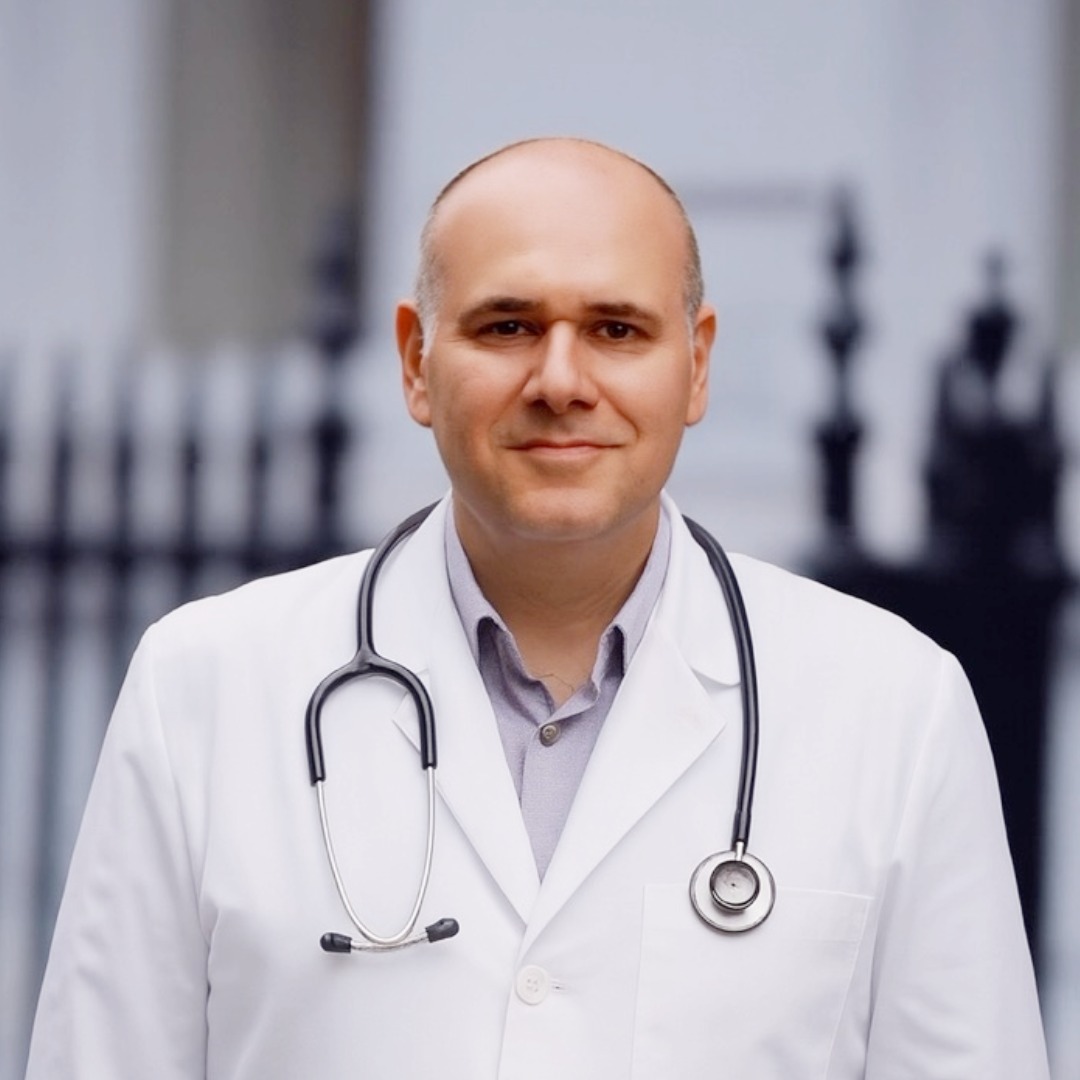
Dr Babak Soleimanpour
Medical Director · GPMD · MRCGP · DRCOG · GMC 6060555 · clinical governance
A private 12-lead ECG at London Private Ultrasound costs £119, all-inclusive, at both our clinics: 27 Welbeck Street in the Harley Street Medical District, and 54–56 Victoria Street, St Albans. The price covers the recording, specialist review of the trace and a same-day written report. There is no separate report fee and no booking fee.
If you want your heart rhythm checked alongside your stroke and circulation risk, the Heart Health & Stroke Risk Screening is £649. It adds a carotid artery scan, an ankle-brachial index, an abdominal aortic aneurysm scan and a cardiologist review of every result.
A private resting ECG in the UK usually costs somewhere between about £85 and £155. The difference mostly comes down to who reads the trace. Cheaper prices are often a GP-read ECG. Higher prices usually include a cardiologist’s report or are charged by a private hospital. At £119, our price includes specialist review and a same-day written report.
When you compare prices, check three things: whether the report is included or charged separately, whether a specialist reviews the trace, and how quickly you get the result.
No. An ECG is one of the cheapest heart tests available, because it is quick and needs no scanning time or laboratory work. At London Private Ultrasound it is £119 including the report. An echocardiogram, Holter monitor or cardiology consultation costs more, and an ECG is often the first test that tells you whether you need one of those.
Yes. On the NHS an ECG is free if your GP, a hospital doctor or NHS 111 decides you need one, and many GP surgeries can do it on site. Waiting times for a routine appointment vary by area. If you have chest pain, severe breathlessness or have fainted, go to A&E or call 999, where an ECG will be done straight away.
People book a private ECG when they want it the same day without waiting for a GP appointment, need a report for travel, sport, work or insurance, or want reassurance about palpitations or a previous result.
No. You can book a private ECG directly, without a GP referral. Bring any previous ECGs, heart letters and a list of your medication if you have them, so the new trace can be compared with the old one. Your report can be shared with your GP, NHS specialist or private cardiologist.
Yes. Same-day and next-day ECG appointments are often available at both our clinics, 7 days a week from 9am to 7pm. Central London: 27 Welbeck Street, London W1G 8EN, in the Harley Street Medical District, a short walk from Bond Street, Oxford Circus and Marylebone. St Albans: 54–56 Victoria Street, AL1 3HZ, near St Albans City station.
We recommend booking online, calling 020 7101 3377 or messaging us on WhatsApp before you come in, rather than walking in, so a room and clinician are ready for you.
The recording itself takes about 5 to 10 minutes. Allow around 15 to 20 minutes for the whole appointment, including check-in and preparation. Your ECG is reviewed and you receive a same-day written report.
If anything abnormal is found, the report explains what it means and the sensible next step, such as a GP follow-up, a cardiology consultation, an echocardiogram, a Holter monitor or blood tests.
An ECG records the electrical activity of your heart. It can show your heart rate and rhythm, atrial fibrillation and other irregular rhythms, heart block and conduction delays, and signs of a previous heart attack. It can also show thickening or strain of the heart muscle, a long QT interval, the Wolff-Parkinson-White pattern, and some medication or blood-salt related changes.
It only shows what your heart is doing during the few minutes of the recording. If your symptoms come and go, a longer recording with a Holter monitor is more likely to catch them.
An ECG can show changes that suggest a heart attack is happening or has happened in the past. It cannot show whether your coronary arteries are narrowed, so a normal resting ECG does not rule out heart disease.
If you have chest pain now, call 999 or go to A&E. Do not book a private ECG. A heart attack is diagnosed in hospital using ECGs and blood tests such as troponin.
An ECG is painless. It uses small sticky pads placed on your chest, wrists and ankles. There are no needles, no radiation and no electricity going into your body.
You don’t need to do anything special beforehand. Keep taking your usual medication, avoid body lotion or oil on your chest that day, and wear a top that is easy to remove. If you have a lot of chest hair, a few small areas may need to be clipped so the pads stick properly. A chaperone is available on request.
Yes, ECG and EKG are the same test. EKG comes from the German spelling and is more common in the US. A 12-lead ECG uses 10 sticky pads to record 12 different views of your heart’s electrical activity. It is the standard resting ECG used by GPs, hospitals and cardiologists, and it is the test you are booking here.
An ECG records the heart’s electrical activity and rhythm, and takes a few minutes. An echocardiogram is an ultrasound scan of the heart that shows its structure, valves and how well it pumps, and takes about 20 to 30 minutes.
They answer different questions, so they are often done together, for example for a heart murmur, breathlessness or an abnormal ECG. See our echocardiogram page.
A resting ECG records your heart for a few minutes. A Holter monitor is a small portable ECG you wear at home, so it can catch palpitations, skipped beats or dizzy spells that come and go. Ours record for 3, 5 or 7 days, from £449, which catches far more than a 24-hour recording.
If your symptoms are happening often, or right now, start with an ECG. If they are occasional, a Holter monitor is more likely to find the cause. Many people have an ECG first and a Holter monitor afterwards if needed.
Yes. You can book blood tests at the same visit as your ECG, for example cholesterol, HbA1c for diabetes risk, thyroid function, kidney function or iron levels, which are often checked when people have palpitations or tiredness. See our private blood tests, or call 020 7101 3377 and we will book both together.
Chest pain now: no. Call 999 or go to A&E, especially if the pain spreads to your arm, jaw or back, or you feel breathless, sweaty or faint.
Palpitations, a racing or irregular pulse, or dizziness that have settled and have already been checked for anything urgent are good reasons to book a private ECG. If the ECG is normal but symptoms continue, a Holter monitor or cardiology consultation is the usual next step.
Book the ECG on its own (£119) if you want your heart rhythm checked, for palpitations, a pre-operative or sports check, medication monitoring or a follow-up of a previous result.
Choose the Heart Health & Stroke Risk Screening (£649) if you want a fuller check of your heart and circulation, especially if you are over 40 or have high blood pressure, high cholesterol, diabetes, a smoking history or a family history of stroke or heart disease. In about 60 minutes it includes a 12-lead ECG for atrial fibrillation, a carotid artery scan, an ankle-brachial index, an abdominal aortic aneurysm scan and a cardiologist review of all results, with a same-day written report.
Medical disclaimer. This page is general information and does not replace individual medical advice. A resting ECG records the heart for a few minutes only and cannot rule out every heart condition. Call 999 or go to A&E for chest pain, severe breathlessness, fainting or a racing heart with dizziness.