
What is a NIPT Test and What Should You Expect?
Non-Invasive Prenatal Testing (NIPT) is a significant advancement in prenatal care that allows expectant parents to assess the risk of their baby being born with certain genetic conditions. It is a highly accurate, safe, and non-invasive test that can be performed as early as the 10th week of pregnancy. This blog post will explore the details of NIPT, its benefits, the procedure, and what you can expect from the process.
Understanding NIPT
What is NIPT?
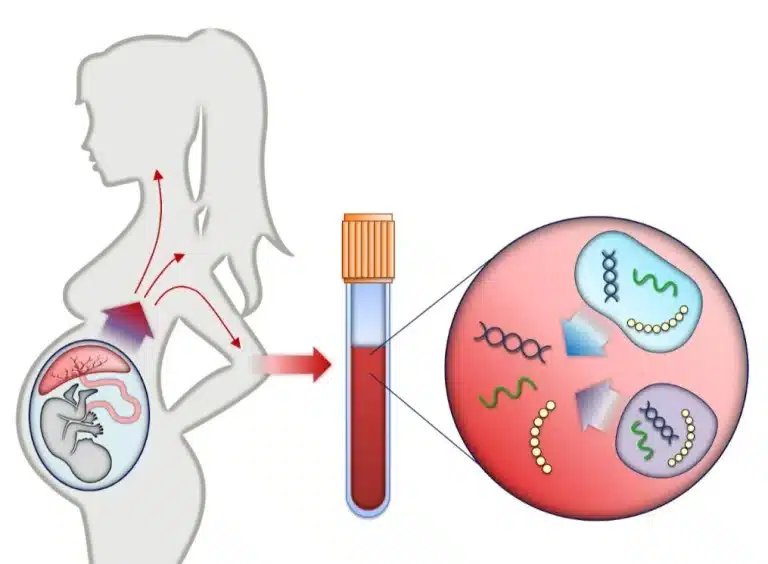
NIPT stands for Non-Invasive Prenatal Testing. It is a screening test that analyzes small fragments of fetal DNA circulating in the mother’s blood to assess the risk of chromosomal abnormalities in the baby. These abnormalities can include conditions such as Down syndrome (trisomy 21), Edwards syndrome (trisomy 18), and Patau syndrome (trisomy 13).
How Does NIPT Work?
During pregnancy, some of the baby’s DNA crosses into the mother’s bloodstream. NIPT involves taking a blood sample from the mother and analyzing the fetal DNA fragments present in the sample. The test looks for an increased amount of DNA from chromosomes 21, 18, and 13, which could indicate a higher risk of the respective chromosomal conditions.
Benefits of NIPT
- Non-Invasive: Unlike traditional diagnostic tests such as amniocentesis or chorionic villus sampling (CVS), NIPT is non-invasive and poses no risk to the mother or baby.
- Early Detection: NIPT can be performed as early as the 10th week of pregnancy, allowing for early detection and decision-making.
- High Accuracy: NIPT has a high sensitivity and specificity, making it a reliable screening tool for detecting certain chromosomal abnormalities.
- Peace of Mind: For many parents, the test provides reassurance about the health of their baby.
Conditions Detected by NIPT
Common Chromosomal Abnormalities
- Down Syndrome (Trisomy 21): The most common chromosomal abnormality, characterized by intellectual disability and physical abnormalities.
- Edwards Syndrome (Trisomy 18): Associated with severe intellectual disability and physical abnormalities; often results in a high rate of miscarriage or infant mortality.
- Patau Syndrome (Trisomy 13): Leads to severe intellectual disability and multiple physical abnormalities; often results in a high rate of miscarriage or infant mortality.
Other Chromosomal Conditions
NIPT can also screen for other chromosomal conditions such as:
- Sex Chromosome Aneuploidies: Including Turner syndrome (monosomy X), Klinefelter syndrome (XXY), Triple X syndrome (XXX), and XYY syndrome.
- Microdeletions: Such as DiGeorge syndrome and Prader-Willi syndrome, although these are less commonly screened with NIPT and may vary by the test provider.
The NIPT Procedure
Before the Test
- Consultation: Discuss with your healthcare provider whether NIPT is suitable for you. Your provider will explain the benefits, limitations, and potential outcomes of the test.
- Timing: NIPT can be performed from the 10th week of pregnancy onwards. Ensure you schedule the test within this timeframe.
During the Test
- Blood Sample Collection: A simple blood draw from the mother’s arm is all that is required. The process is quick and typically takes less than 10 minutes.
- Laboratory Analysis: The blood sample is sent to a specialized laboratory where the fetal DNA is analyzed.
After the Test
- Results: Results are usually available within one to two weeks. Your healthcare provider will receive the results and discuss them with you.
- Interpreting Results: NIPT results will indicate whether there is a high or low risk for the screened conditions. It is important to understand that NIPT is a screening test and not a diagnostic test. A high-risk result does not confirm a diagnosis but indicates the need for further diagnostic testing (such as amniocentesis or CVS).
- Next Steps: If the NIPT results indicate a high risk for a chromosomal abnormality, your healthcare provider will discuss further diagnostic options and provide counseling to help you make informed decisions.
What to Expect from the NIPT Process
Accuracy and Limitations
While NIPT is highly accurate, it is not 100% definitive. The test’s sensitivity and specificity are very high, but false positives and false negatives can occur. It is essential to follow up any high-risk NIPT results with diagnostic testing to confirm the findings.
Emotional Considerations
The decision to undergo NIPT can bring about a range of emotions. Many parents experience anxiety and uncertainty while waiting for results. It’s important to seek support from healthcare providers, genetic counselors, and support groups to navigate this period.
Cost and Insurance Coverage
The cost of NIPT can vary depending on the provider and the specific tests included. Many insurance plans cover NIPT, especially for women over 35 or those with a higher risk of chromosomal abnormalities. Check with your insurance provider to understand your coverage and any out-of-pocket costs.
Ethical Considerations
NIPT raises ethical considerations, particularly around the decisions parents might face if a high-risk result is returned. These decisions can be complex and deeply personal, requiring thoughtful consideration and support from healthcare professionals.
Advantages of NIPT Over Traditional Screening Methods
Comparison with Other Screening Methods
- First-Trimester Combined Screening: Involves a blood test and an ultrasound to measure nuchal translucency (NT). While useful, it has lower sensitivity and specificity compared to NIPT.
- Second-Trimester Quadruple Screening: Measures four substances in the mother’s blood but also has lower sensitivity and specificity compared to NIPT.
Reduced Need for Invasive Testing
With the high accuracy of NIPT, fewer women need to undergo invasive diagnostic procedures like amniocentesis or CVS, which carry a small risk of miscarriage.
NIPT for Twin Pregnancies
Applicability
NIPT can be performed in twin pregnancies, although the accuracy may be slightly lower compared to singleton pregnancies. It is essential to discuss this with your healthcare provider.
Unique Considerations
For twins, NIPT can determine the risk for trisomies but may not differentiate which twin is affected. Further testing and monitoring might be necessary.
Future Developments in NIPT
Expanding Scope
Research is ongoing to expand the scope of NIPT to detect a broader range of genetic conditions and even non-genetic conditions.
Advances in Technology
Technological advancements are continually improving the accuracy and reducing the cost of NIPT, making it more accessible to a broader population.
Non-Invasive Prenatal Testing (NIPT) is a groundbreaking tool in prenatal care, offering a safe, early, and highly accurate method for assessing the risk of chromosomal abnormalities in a developing baby. Understanding the procedure, benefits, limitations, and what to expect can help parents make informed decisions about their prenatal care.
For more information or to schedule a NIPT, please contact London Private Ultrasound. Visit our website at www.londonsono.com, call us at 02071013377, or email us at [email protected]. Take proactive steps towards ensuring a healthy pregnancy today.