
Guide to Fibroadenoma: Symptoms, Causes, Diagnosis
What is a Fibroadenoma?
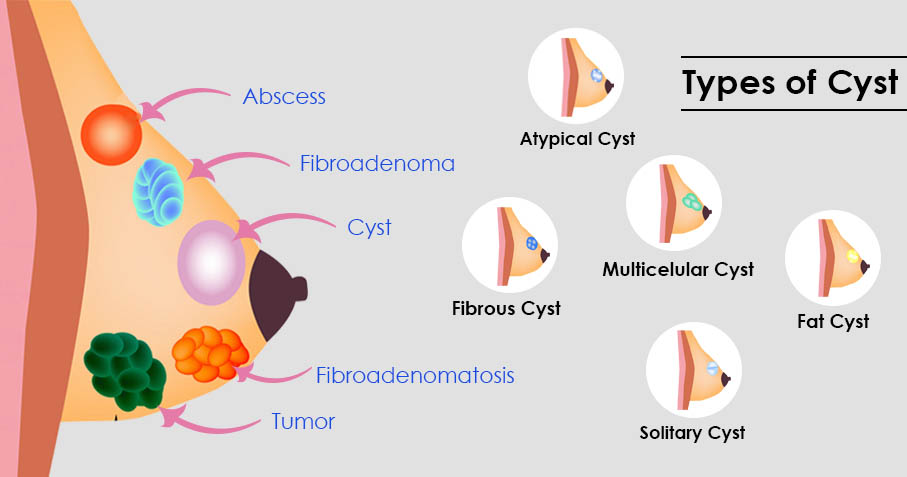
A fibroadenoma is a benign (non-cancerous) breast tumor that is most common in women under 30 years old. These tumors are made up of both glandular and stromal (connective) tissues. Fibroadenomas are generally painless, solid, and moveable lumps that can be found in one or both breasts.
Symptoms of Fibroadenoma
Common Symptoms
- Lump in the Breast: The most noticeable symptom is a small, firm, smooth, and rubbery lump that moves easily under the skin when touched.
- Painlessness: Fibroadenomas are usually painless, though they may cause discomfort or tenderness if they grow large.
- Size Variation: The size of a fibroadenoma can vary. Some are as small as a marble, while others can grow large enough to change the shape of the breast.
- Single or Multiple Lumps: Women can have one or multiple fibroadenomas in one or both breasts.
When to Seek Medical Attention
- If you detect a new lump in your breast
- If an existing lump grows or changes in size or shape
- If you experience pain or discomfort associated with a lump
Causes of Fibroadenoma
The exact cause of fibroadenomas is not known, but several factors may contribute to their development:
- Hormonal Influence: Estrogen, a hormone that promotes breast tissue growth, is believed to play a role. Fibroadenomas are more common in women of reproductive age and may enlarge during pregnancy or with hormone therapy.
- Genetic Factors: There may be a genetic predisposition, as fibroadenomas sometimes run in families.
- Age: Most common in women under 30, though they can occur at any age.
- Reproductive Factors: Higher incidence in women who have never been pregnant or who had their first pregnancy at a later age.
Diagnosis of Fibroadenoma
Clinical Breast Examination
A healthcare provider will first perform a physical examination to feel for lumps and assess their characteristics.
Imaging Tests
- Mammogram: An X-ray of the breast can help visualize the lump and determine if further testing is needed.
- Ultrasound: This imaging test uses sound waves to create detailed pictures of the breast tissue. It helps differentiate between solid masses (like fibroadenomas) and fluid-filled cysts.
Biopsy
If the lump’s nature is unclear or if there are concerning features, a biopsy may be performed to confirm the diagnosis:
- Fine-Needle Aspiration (FNA): A thin needle is used to withdraw a sample of cells from the lump.
- Core Needle Biopsy: A larger needle is used to remove a small cylinder of tissue from the lump.
- Excisional Biopsy: The entire lump is surgically removed and examined under a microscope.
Treatment of Fibroadenoma
Observation
- Monitoring: If the fibroadenoma is small and not causing any symptoms, your doctor may recommend regular monitoring with periodic breast exams and imaging tests.
Surgical Removal
- Lumpectomy: If the fibroadenoma is large, painful, or growing, it may be surgically removed. The procedure is usually simple and performed on an outpatient basis.
- Cryoablation: This less invasive procedure involves freezing the fibroadenoma with a special probe, causing it to shrink and eventually disappear.
Medication
- Hormonal Therapy: In some cases, hormonal therapy may be used to shrink the fibroadenoma, although this is less common.
Living with Fibroadenoma
Regular Monitoring
- Self-Examinations: Regular self-breast exams can help you detect any new lumps or changes early.
- Follow-Up Appointments: Regular follow-up with your healthcare provider is essential to monitor the fibroadenoma for any changes in size or shape.
Lifestyle Considerations
- Diet and Exercise: Maintaining a healthy lifestyle with a balanced diet and regular exercise can contribute to overall breast health.
- Avoiding Hormonal Treatments: If possible, avoiding unnecessary hormone treatments may help reduce the risk of fibroadenomas enlarging.
When to Contact a Doctor
- If you detect any new lumps or changes in existing lumps
- If you experience pain or discomfort in your breasts
- If you have any concerns or questions about your breast health
Conclusion
Fibroadenomas are common benign breast tumors that are usually painless and movable. While they are generally not a cause for concern, it is important to monitor them and seek medical advice if you notice any changes. Regular breast exams and imaging tests can help manage fibroadenomas effectively.
For more information or to schedule an appointment, please contact London Private Ultrasound. Visit our website at www.londonsono.com, call us at 02071013377, or email us at [email protected]. Take proactive steps towards maintaining your breast health today.