Frequently Asked Questions About Fibroadenoma
What is a Fibroadenoma?
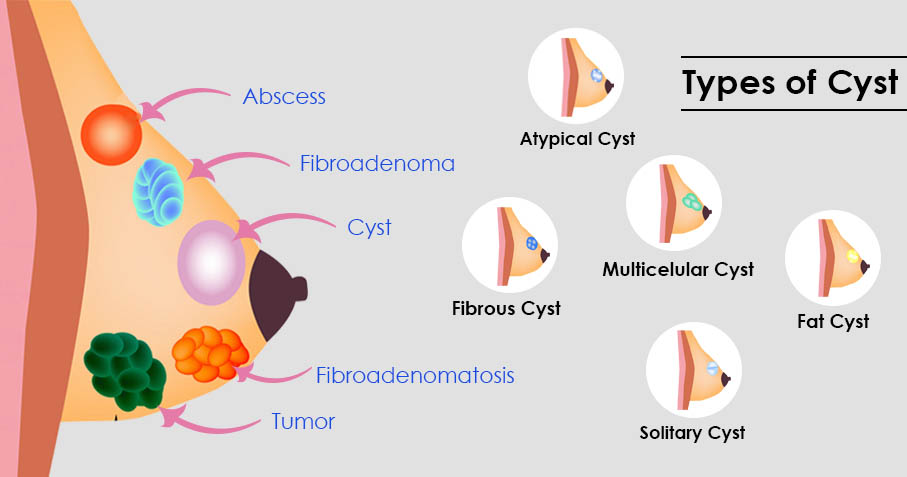
Answer: A fibroadenoma is a non-cancerous (benign) breast tumor that is most commonly found in young women. It is composed of glandular and fibrous breast tissue and typically feels like a firm, smooth, or rubbery lump in the breast.
What Causes Fibroadenomas?
Answer: The exact cause of fibroadenomas is not known, but they are believed to be related to reproductive hormones. They often appear during periods of hormonal change, such as puberty, pregnancy, or when using hormonal contraceptives.
How is a Fibroadenoma Diagnosed?
Answer: A fibroadenoma is usually diagnosed through a combination of physical examination, imaging tests (such as mammograms or ultrasounds), and sometimes a biopsy. During a biopsy, a small sample of the lump is removed and examined under a microscope to confirm that it is a fibroadenoma.
What Are the Symptoms of a Fibroadenoma?
Answer: The primary symptom of a fibroadenoma is a lump in the breast that is typically:
- Round with distinct, smooth borders
- Firm or rubbery
- Easily movable under the skin
- Painless
Can a Fibroadenoma Turn Into Cancer?
Answer: Fibroadenomas are benign and do not turn into cancer. However, having a fibroadenoma does not significantly increase your risk of breast cancer. It is important to monitor any changes in the lump and report them to your healthcare provider.
How Are Fibroadenomas Treated?
Answer: Treatment for fibroadenomas may not be necessary if they are not causing any symptoms and are confirmed to be benign. However, options include:
- Monitoring: Regular check-ups to monitor the size and feel of the fibroadenoma.
- Surgery: Removal of the lump if it is large, painful, or causes anxiety.
- Cryoablation: A procedure that freezes and destroys the fibroadenoma tissue.
Should Fibroadenomas Be Removed?
Answer: Removal is not always necessary, especially if the fibroadenoma is small, not growing, and not causing any symptoms. However, some women choose to have them removed for peace of mind or if there are any changes in the lump’s characteristics.
Can Fibroadenomas Recur?
Answer: Yes, fibroadenomas can recur even after they have been removed. New fibroadenomas can also develop in other areas of the breast.
What Should I Avoid If I Have Fibroadenoma?
Answer: If you have a fibroadenoma, there are generally no specific activities or foods you need to avoid. However, maintaining a healthy lifestyle, reducing caffeine and high-fat diets, and wearing a well-fitting bra can help minimize discomfort.
Does Fibroadenoma Affect Pregnancy?
Answer: Fibroadenomas typically do not affect pregnancy or breastfeeding. However, hormonal changes during pregnancy can cause fibroadenomas to grow or become more noticeable. Monitoring by a healthcare provider is recommended.
How Often Should a Fibroadenoma Be Checked?
Answer: Fibroadenomas should be monitored regularly through physical exams and imaging tests, typically every 6 to 12 months, to check for changes in size or characteristics. Your healthcare provider will give specific recommendations based on your situation.
What Makes a Fibroadenoma Suspicious?
Answer: Features that may make a fibroadenoma suspicious include rapid growth, irregular borders, changes in shape or size, or accompanying symptoms like pain. If these features are present, further evaluation with imaging and possibly a biopsy may be required.
What Aggravates Fibroadenoma?
Answer: Factors that may aggravate a fibroadenoma include hormonal fluctuations (e.g., during menstrual cycles), physical trauma to the breast, and possibly high caffeine intake. Wearing supportive bras and managing stress can help reduce discomfort.
Are Fibroadenomas Caused by Too Much Estrogen?
Answer: Fibroadenomas are believed to be influenced by estrogen, as they often occur during reproductive years and may grow during periods of hormonal change. However, they are not directly caused by excessive estrogen alone.
Do Fibroadenomas Affect Milk Supply?
Answer: Fibroadenomas typically do not affect milk supply. However, their location and size can sometimes cause discomfort during breastfeeding. Consult with your healthcare provider if you have concerns.
Can Stress Cause Fibroadenoma?
Answer: There is no direct evidence that stress causes fibroadenomas. However, stress can impact overall health and hormone levels, potentially influencing breast tissue changes.
Does Fibroadenoma Affect Breast Shape?
Answer: Large fibroadenomas can cause noticeable lumps or changes in the contour of the breast. However, smaller fibroadenomas usually do not significantly affect breast shape.
Are Fibroadenomas Always Biopsied?
Answer: Not all fibroadenomas are biopsied. A biopsy is usually performed if the fibroadenoma has suspicious features or if there is uncertainty about the diagnosis after initial imaging tests.
Do the NHS Remove Fibroadenomas?
Answer: Yes, the NHS can remove fibroadenomas if they are large, painful, growing, or causing anxiety. The decision to remove a fibroadenoma is made on a case-by-case basis.
How Do You Know If a Fibroadenoma Is Growing?
Answer: Regular monitoring through physical exams and imaging tests can detect growth in a fibroadenoma. If you notice changes in the size or feel of the lump, report them to your healthcare provider.
What Foods Should You Avoid With a Fibroadenoma?
Answer: There is no definitive list of foods to avoid with a fibroadenoma, but some women find that reducing caffeine and high-fat foods can help minimize discomfort. A balanced diet rich in fruits, vegetables, and whole grains is generally recommended.
What Can Mimic a Fibroadenoma?
Answer: Conditions that can mimic a fibroadenoma include cysts, phyllodes tumors, and breast cancer. Accurate diagnosis through imaging and sometimes biopsy is essential to differentiate between these conditions.
What Percentage of Fibroadenomas Are Cancerous?
Answer: The vast majority of fibroadenomas are benign. Only a very small percentage, less than 1%, may be associated with cancerous changes. Regular monitoring and evaluation help ensure any suspicious changes are detected early.
For more information or to schedule an appointment, please contact London Private Ultrasound. Visit our website at www.londonsono.com, call us at 02071013377, or email us at [email protected]. Take proactive steps towards maintaining your breast health today.