
Fatty Liver Disease UK: Symptoms, Diagnosis & Ultrasound
Introduction
Fatty liver disease, particularly Non-Alcoholic Fatty Liver Disease (NAFLD), is rapidly becoming a significant public health concern, often referred to as a silent epidemic in the UK. This condition occurs when an excessive amount of fat builds up within the liver cells. While the liver naturally contains some fat, too much can lead to serious health implications. If left unaddressed, fatty liver can progress through various stages, potentially leading to liver inflammation (NASH – Non-Alcoholic Steatohepatitis), scarring (fibrosis), and eventually severe liver damage known as cirrhosis, which can be life-threatening.
The insidious nature of fatty liver disease lies in its early stages, where it is often symptomless. This means many individuals are unaware they have the condition until it has advanced significantly. This is precisely why early detection is absolutely crucial to prevent long-term, irreversible damage and allow for effective management strategies.
Understanding Fatty Liver Disease: NAFLD vs. ALD
Fatty liver disease is broadly categorised into two main types:
- Non-Alcoholic Fatty Liver Disease (NAFLD): This is the most common type and is not caused by heavy alcohol consumption. It is increasingly linked to metabolic risk factors.
- Alcoholic Fatty Liver Disease (ALD): This type is directly caused by excessive alcohol intake, which damages the liver and impairs its ability to metabolise fats.
This article primarily focuses on NAFLD, which is closely associated with modern lifestyle factors. The accumulation of fat in the liver can impair its function, as the liver plays a central role in metabolism, detoxification, and nutrient storage.
Common Symptoms: Detecting the Unseen
As mentioned, fatty liver disease is frequently silent in its early phases. Many individuals experience no discernible symptoms at all, which underscores the critical importance of routine screening, particularly for those with known risk factors.
However, as the disease progresses, some individuals may begin to notice subtle, non-specific symptoms. These can include:
- Tiredness or persistent fatigue: A general feeling of low energy despite adequate rest.
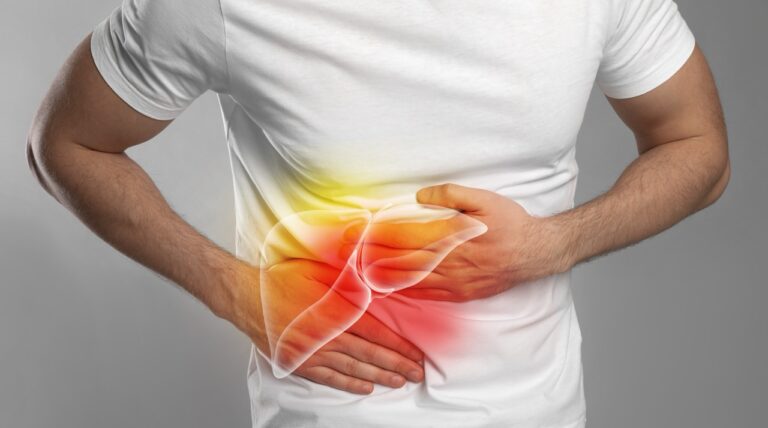
- Dull discomfort or pain in the upper right abdomen: Where the liver is located.
- Unexplained weight loss: Despite potentially being overweight or obese.
- Nausea or poor appetite: A general feeling of sickness or reduced desire to eat.
- General weakness: A feeling of lack of strength or vitality.
If you experience any of these symptoms, especially if combined with risk factors, it is advisable to seek medical advice.
Who Is at Risk? Understanding Your Vulnerability
Fatty liver disease, particularly NAFLD, is strongly associated with several common health conditions and lifestyle factors. You may be at increased risk if you have:
- Obesity or excess belly fat: A high Body Mass Index (BMI) and especially abdominal obesity are significant risk factors.
- Type 2 diabetes: Insulin resistance and poorly controlled blood sugar levels heavily contribute to fat accumulation in the liver.
- High cholesterol or high triglycerides: Dyslipidaemia (abnormal levels of fats in the blood) is often linked to NAFLD.
- Poor diet: Diets high in refined sugars, processed foods, and unhealthy fats can promote liver fat accumulation.
- Lack of physical activity: A sedentary lifestyle reduces metabolic activity and increases fat storage.
- Metabolic Syndrome: A cluster of conditions including high blood pressure, high blood sugar, excess body fat around the waist, and abnormal cholesterol levels.
- Alcohol use: Even moderate alcohol consumption can exacerbate NAFLD, and heavy use directly causes ALD.
- Certain medications: Some medications can contribute to fatty liver as a side effect.
Prevention Tips: Proactive Steps for Liver Health
While some risk factors are genetic, many can be managed through lifestyle interventions. Taking proactive steps can significantly prevent or even reverse fatty liver disease in its early stages.
Key prevention and management tips include:
- Maintain a healthy weight: Even a modest weight loss (5-10% of body weight) can significantly reduce liver fat.
- Follow a balanced, nutrient-rich diet: Emphasise whole foods, fruits, vegetables, lean proteins, and healthy fats. Limit sugary drinks, processed foods, and excessive saturated/trans fats.
- Stay physically active: Regular exercise helps manage weight, improve insulin sensitivity, and reduce liver fat. Aim for at least 150 minutes of moderate-intensity activity per week.
- Limit alcohol intake: Excessive alcohol directly damages the liver. For NAFLD, reducing alcohol is still beneficial.
- Control blood sugar & cholesterol levels: If you have diabetes or high cholesterol, work with your GP to manage these conditions effectively.
- Regular liver health check-ups: Especially if you have risk factors, routine screening allows for early detection and intervention.
Diagnosis: How Do You Know If You Have Fatty Liver?
Diagnosing fatty liver disease often involves a combination of tests, as symptoms may be absent. Early and accurate diagnosis is essential for effective management.
The primary diagnostic tools include:
- Ultrasound Scan: This is often the first-line and most accessible non-invasive imaging tool for detecting fatty liver disease. It can visualise the liver’s size, shape, and characteristic bright appearance indicative of fat accumulation. It can also detect early signs of fibrosis or other abnormalities.
- Liver Blood Tests (Liver Function Tests – LFTs): These measure enzymes like ALT (Alanine Aminotransferase) and AST (Aspartate Aminotransferase), which can be elevated when the liver is inflamed or damaged. Other markers may also be checked. While these can indicate liver issues, they do not definitively diagnose fatty liver or its severity.
- FibroScan (Transient Elastography): This specialised ultrasound-based scan measures liver stiffness, which is an indicator of fibrosis (scarring). It’s a non-invasive alternative to a liver biopsy for assessing the extent of liver damage.
- MRI/CT Scans: These advanced imaging techniques may be used in specific cases to provide more detailed images of the liver and differentiate fatty liver from other conditions.
- Liver Biopsy: Historically the gold standard, a biopsy involves taking a small tissue sample from the liver for microscopic examination. It is an invasive procedure and is typically reserved for cases where other tests are inconclusive or to determine the exact stage of liver damage.
Among these, ultrasound remains one of the most accessible, cost-effective, and effective tools for detecting fatty liver disease early and monitoring its progression.
The Role of Ultrasound at London Private Ultrasound
At London Private Ultrasound, our advanced abdominal ultrasound scan is a cornerstone of our liver health assessments. Performed by our expert sonographers, this non-invasive scan can provide crucial insights into your liver’s health:
- Detect Liver Fat: Clearly identifies the presence and extent of fat accumulation within the liver.
- Evaluate Liver Size and Texture: Assesses for any enlargement or changes in the liver’s texture, which can indicate inflammation or early scarring.
- Check for Early Signs of Liver Damage: Helps to identify subtle structural changes that may suggest fibrosis or other issues.
- Examine Adjacent Organs: The scan also examines the gallbladder (for stones) and pancreas, as these are often checked concurrently when assessing abdominal discomfort or liver health.
All our scans are performed safely, painlessly, and without radiation, making them a preferred choice for routine screening and monitoring. You will receive your detailed results and expert findings typically within 24 hours.
Book Your Liver Health Check Today
Concerned about your liver health? Whether you have known risk factors, are experiencing symptoms, or simply seek peace of mind, London Private Ultrasound offers comprehensive and accessible liver health assessments.
We provide:
- Same-day liver ultrasounds: Quick access to vital diagnostic imaging.
- Liver function blood tests: Essential biochemical markers to complement your scan (optional add-on).
- GP follow-up: Guidance and discussion of results with a qualified GP (optional add-on).
- Specialist referral if needed: Clear pathways to a hepatologist (liver specialist) or other specialists if further management is required.
Visit Us in Central London or St Albans
London Private Ultrasound 27 Welbeck Street, London, W1G 8EN Phone: 020 7101 3377 Email: [email protected] Web: www.londonsono.com
St Albans Address Please include your full St Albans address here.
Early Diagnosis. Personal Care. Fast Results.
We are dedicated to providing clear, compassionate, and clinically excellent diagnostic services.
Frequently Asked Questions (FAQ)
To help you feel fully prepared and informed about Fatty Liver Disease and its diagnosis, here are answers to some frequently asked questions:
Q1: What is Fatty Liver Disease (NAFLD)?
A: Fatty Liver Disease, particularly Non-Alcoholic Fatty Liver Disease (NAFLD), is a condition where excessive fat builds up in the liver. It’s often called a silent epidemic in the UK because it can be symptomless in early stages but can progress to inflammation, fibrosis, or cirrhosis if left untreated.
Q2: What are the common symptoms of fatty liver disease?
A: In its early stages, fatty liver disease often presents with no symptoms. However, as it progresses, some individuals may experience non-specific symptoms such as tiredness, fatigue, discomfort in the upper right abdomen, unexplained weight loss, nausea, poor appetite, or general weakness.
Q3: Who is at risk of developing fatty liver disease?
A: Individuals with obesity (especially belly fat), Type 2 diabetes, high cholesterol or triglycerides, a poor diet (high in sugar/processed foods), lack of physical activity, or excessive alcohol use are at increased risk of developing fatty liver disease. Metabolic syndrome is also a significant risk factor.
Q4: How is fatty liver disease diagnosed?
A: Fatty liver disease is typically diagnosed using a combination of methods. An ultrasound scan is often the first-line, non-invasive imaging test to detect liver fat. This may be complemented by liver blood tests (LFTs) and sometimes more advanced scans like FibroScan (to assess stiffness) or MRI/CT in specific cases.
Q5: What is the role of ultrasound in diagnosing fatty liver?
A: Ultrasound is a highly effective and accessible tool for detecting fatty liver disease early. It can visualise fat accumulation in the liver, evaluate its size and texture, and check for early signs of liver damage. It’s safe, painless, and radiation-free, making it ideal for screening and monitoring.
Q6: Can fatty liver disease be prevented or reversed?
A: Yes, in its early stages, fatty liver disease can often be prevented or even reversed through lifestyle changes. Key prevention tips include maintaining a healthy weight, following a balanced diet, staying physically active, limiting alcohol consumption, and controlling blood sugar and cholesterol levels.
Q7: Where can I get a private liver health check in London?
A: You can book a private liver health check at clinics like London Private Ultrasound, located at 27 Welbeck Street, London, W1G 8EN. They offer same-day liver ultrasounds, optional blood tests, and follow-up guidance.
Q8: What services does London Private Ultrasound offer for liver health?
A: London Private Ultrasound offers comprehensive services for liver health, including same-day liver ultrasounds to detect liver fat and evaluate liver condition, optional liver function blood tests, GP follow-up, and specialist referrals if needed. All services provide fast results, typically within 24 hours.
Q9: What happens if fatty liver disease is left untreated?
A: If left untreated, fatty liver disease can progress from simple fat accumulation to inflammation (NASH), then to fibrosis (scarring), and potentially to cirrhosis (severe, irreversible liver damage). Cirrhosis can lead to liver failure, liver cancer, and may require a liver transplant.
Book Your Health Check Now
Take the first step towards greater peace of mind and a deeper understanding of your well-being. London Private Ultrasound offers the most comprehensive and convenient private health checks in the UK, delivered with unparalleled expertise and care.
EXCELLENT Based on 1352 reviews
 Posted on Google
 Cal JamesAmazing wonderful peoplePosted on Google
 Nela IacobI was very well looked after. I had an echocardiogram, and the doctor made me feel very comfortable. She took her time to listen to me, answer my questions and give me advice. I really appreciated how kind, caring and reassuring she was.Posted on Google
 Tash TFantastic experience from start to finish. The whole process was incredibly quick and efficient, and very reasonably priced compared with other clinics. I had an ultrasound guided corticosteroid injection in my shoulder, and everything was explained clearly, from what to expect during the procedure to possible side effects and what to do afterwards. No confusing medical jargon, just straightforward, practical advice that was easy to understand. Professional, efficient, affordable and reassuring throughout. I wouldn’t hesitate to recommend them. Five stars!Posted on Google
 Gary FowlerMy scan was started on time. Dr Salehi explained clearly what the procedure would involve. During the procedure I was kept aware of what results were being seen. My written report arrived in my Inbox before the day was over. Highly recommend.Posted on Google
 SimoneQuick, informative and professional, will definitely use them again!Posted on Google
 SamAn incredible and easy service, for peace of mind if nothing else. Easy to book, lots of availability, no waiting time and professional/ knowledgeable staff. I can only highly recommend!Posted on Google
 graham patersonExcellent booking and pre-appointment preparations. Outstanding reception, appointment and very rapid professional and fulsome Report by Dr Mohammad Al-Majali, the Consultant Cardiologist. I highly recommend, thank you.Posted on Google
 Michael FreedmanAll excellentPosted on Google
 Emma DreikeVery easy to book at short notice. Friendly staff and professional Sonographer. Would definitely book again.Posted on Google
 Anne B. JordalQuick and easy to make an appointment, I arrived early and was seen early due to availability. Very niceVerified by TrustindexTrustindex verified badge is the Universal Symbol of Trust. Only the greatest companies can get the verified badge who has a review score above 4.5, based on customer reviews over the past 12 months. Read more