
One Leg
When one calf hurts£199
- Calf muscles, tendons and soft tissues checked
- Moving (dynamic) assessment where it helps
- Results explained before you leave
- No GP referral, same-day appointments
Calf muscle ultrasound · Harley Street, Central London & St Albans · 7 days a week
A calf ultrasound is a painless, radiation-free scan of the calf muscles, tendons, fascia and soft tissues at the back of your lower leg.
It is used to find the cause of calf pain, including a torn calf muscle (tennis leg), plantaris rupture, haematoma, Baker’s cyst rupture and lumps.
At London Private Ultrasound a calf scan costs £199 for one leg and £299 for both legs, with no GP referral needed and results on the day.
That can be a blood clot rather than a muscle problem, and needs a DVT Doppler scan instead. Compare the options.
| Price | One leg £199 · both legs £299 · DVT Doppler scan from £249 |
|---|---|
| What it checks | Gastrocnemius, soleus, plantaris, fascia, Baker’s cyst area, haematoma and lumps |
| Common reasons | Torn calf muscle (tennis leg), calf strain, plantaris rupture, haematoma, Baker’s cyst rupture, lumps |
| Time | About 20–30 minutes · no preparation |
| Results | Explained on the day · written report within 24 hours |
| Referral | No GP referral needed |
| Where & when | 27 Welbeck Street, W1G 8EN · 54–56 Victoria Street, St Albans AL1 3HZ · 7 days, 9am–7pm |
A calf muscle scan looks at muscles and soft tissue. If your calf is swollen, red or warm, you may need a DVT Doppler scan instead, which checks the deep veins for a blood clot.
£199
£299
from £249
Pick your scan, a clinic and a time. Same-day slots are often available, 7 days a week.
Secure online booking
Choose a time that suits you — we search every eligible specialist and confirm your appointment instantly.
Select any available day in the next 60 days.
Choosing a specialist re-draws the calendar to show only their available dates.
All fields are required unless marked optional.
Use the secure Stripe tabs below to select Card, Google Pay, Apple Pay or Klarna when available.
Payment methods shown depend on your device and the options enabled in Semble Pay. Card details are handled securely by Stripe and are not stored by this website.
Thank you, — a confirmation email has been sent to .
Your scan is booked. Anything selected below will be attached to the same booking and can be paid for at the clinic.
Ultrasound shows the muscles and soft tissues of the calf in real time, so a tear, a collection of blood or a lump can be seen and measured.
A tear where the gastrocnemius meets the soleus, with any fluid or bleeding.
Deep calf pain, often in runners, that is hard to judge by examination alone.
A thin tendon tear that can feel like a gastrocnemius tear.
Bleeding or fluid in the muscle after an injury, measured and followed up.
Fluid from behind the knee that tracks into the calf and mimics a tear.
Cysts, fatty or solid lumps, and a muscle bulge through the fascia.
What a muscle scan cannot do. It does not check for a blood clot (that needs a DVT Doppler scan) and does not show the inside of the bone. If your symptoms point that way, we will tell you on the day.
A calf ultrasound can help if you have calf pain, a lump or a muscle injury that has not settled, or you want a clear answer quickly. You do not need a GP referral, and you do not need to know what is wrong before you book.
Sharp pain at the back of the leg while sprinting, playing tennis or football. A scan can show whether the muscle is torn.
Pain that is not improving as you expected. A scan shows how bad the injury is, so you know what to do next.
An ache that is hard to pin down. We check the deeper calf muscle and the degree of damage.
Possible bleeding in the muscle. Ultrasound measures it and shows whether it needs following up.
Fluid from a Baker’s cyst can track down into the calf. We check whether that is the cause.
A new lump, or a bulge that appears when you exercise. Ultrasound shows what it is and whether it needs further tests.
There is nothing to do beforehand: no fasting, no full bladder and no medication changes. The scan is gentle and painless.
One leg or both, how the pain started, and any recent surgery, long flight or time in bed. This helps us make sure a muscle scan is the right one.
We need easy access to the whole calf, so loose shorts or trousers that roll up above the knee are ideal. Please remove any strapping or compression socks.
Any earlier ultrasound, MRI or X-ray reports, or a letter from your physio, so the clinician can read today’s findings in context.
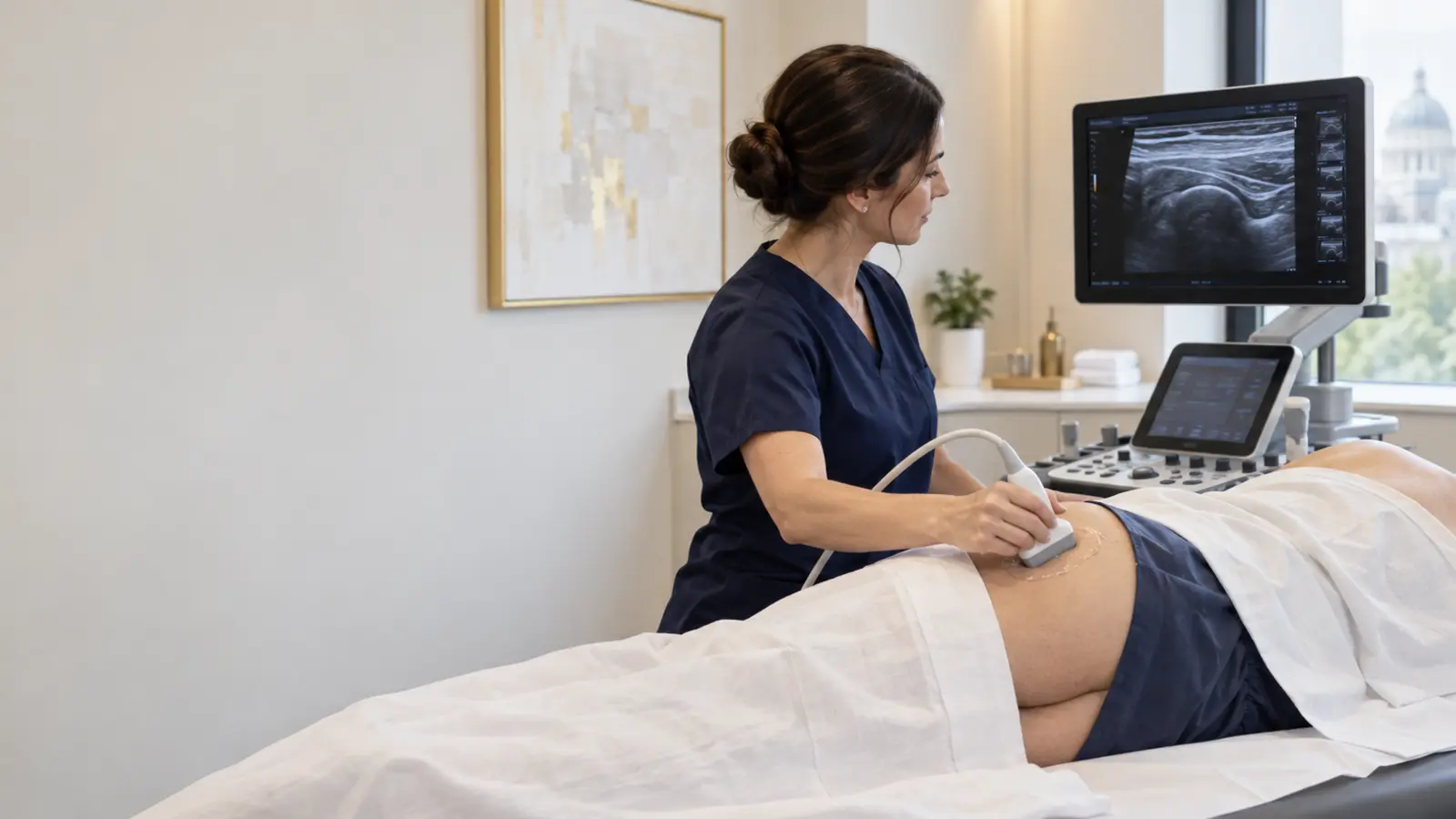
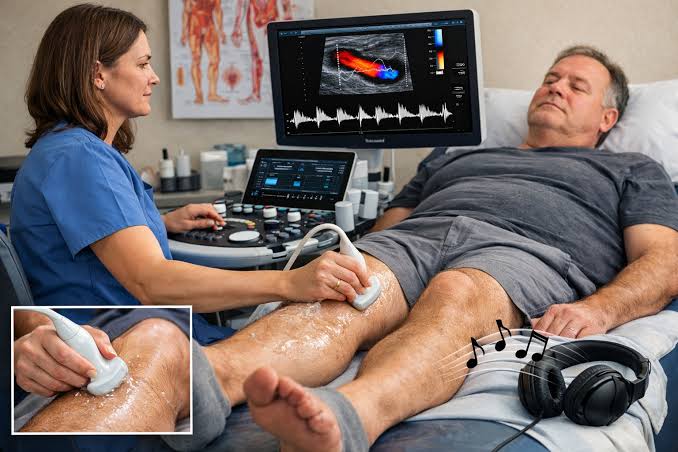
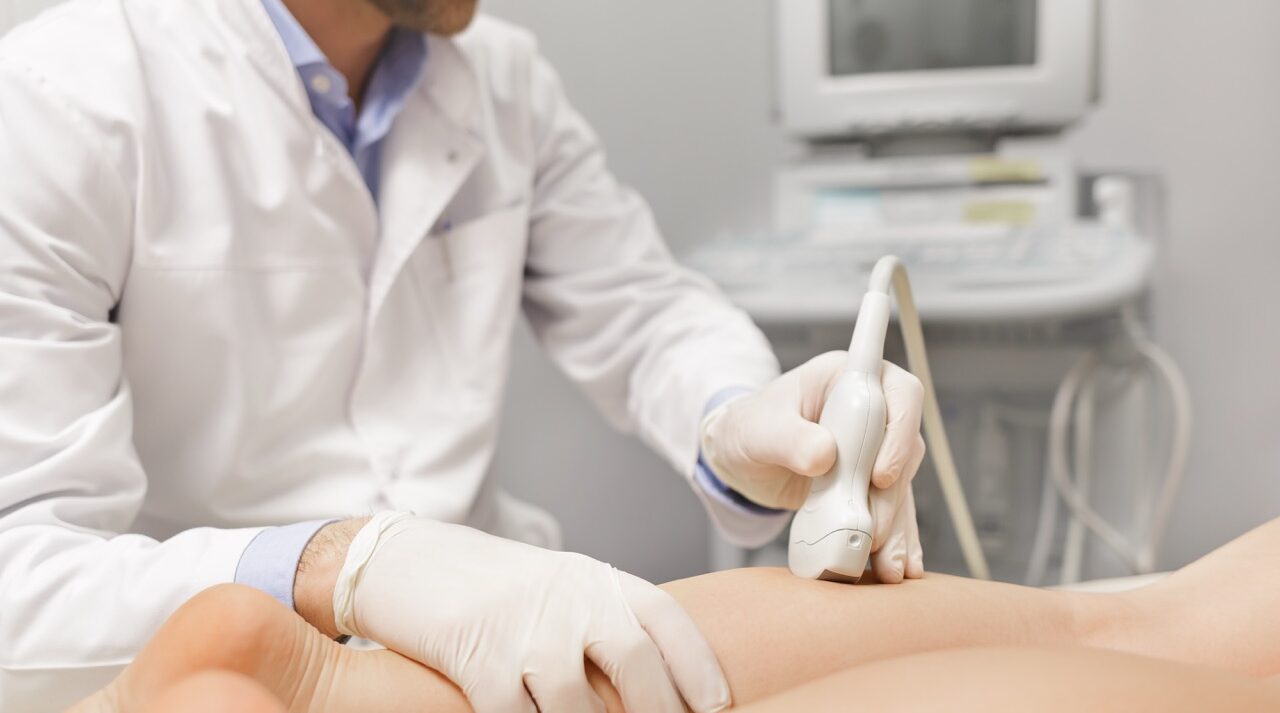
You lie with your leg supported while the clinician scans the calf with warm gel. You may be asked to tense or flex your foot so the muscle can be seen working. Results are explained before you leave.
Your calf is scanned and interpreted by an MSK specialist, with findings matched to your pain, your activity and how you were injured.
Where it helps, the muscle is scanned as you tense it. This shows a muscle herniation or a subtle tear that a still image can miss.
Findings are explained in the room, with a written report within 24 hours to share with your GP, physio or sports doctor.
For a muscle tear, your specialist describes how severe it is and gives practical advice on next steps.
If your calf needs a DVT Doppler scan instead, we can book that too, with no referral and often the same day.
Central London and St Albans, open 9am to 7pm every day. CQC-registered, established 2012 and rated 4.8 from over 1,300 reviews.
The Achilles tendon, ankle ligaments and heel, useful when pain runs from the calf down towards the ankle.
Knee tendons, bursae, joint fluid and a Baker’s cyst, useful when pain or fluid extends from behind the knee into the calf.
A face-to-face consultant assessment of your leg, with a review of your scan and a personalised plan.
Calf ultrasound and DVT Doppler scans at both clinics, 7 days a week from 9am to 7pm, with same-day slots often available.
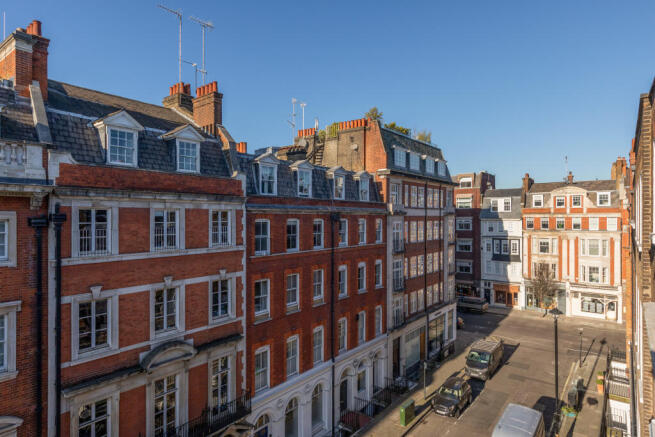
27 Welbeck Street, London W1G 8EN
Two minutes from Bond Street (Elizabeth, Central and Jubilee lines), five from Oxford Circus and eight from Marylebone. Close to Cavendish Square, Wigmore Street and Marylebone High Street, and to Marble Arch, Great Portland Street and Regent’s Park stations. One stop from Paddington or Tottenham Court Road on the Elizabeth line. Easy to reach from Mayfair, Fitzrovia, Soho and Baker Street.
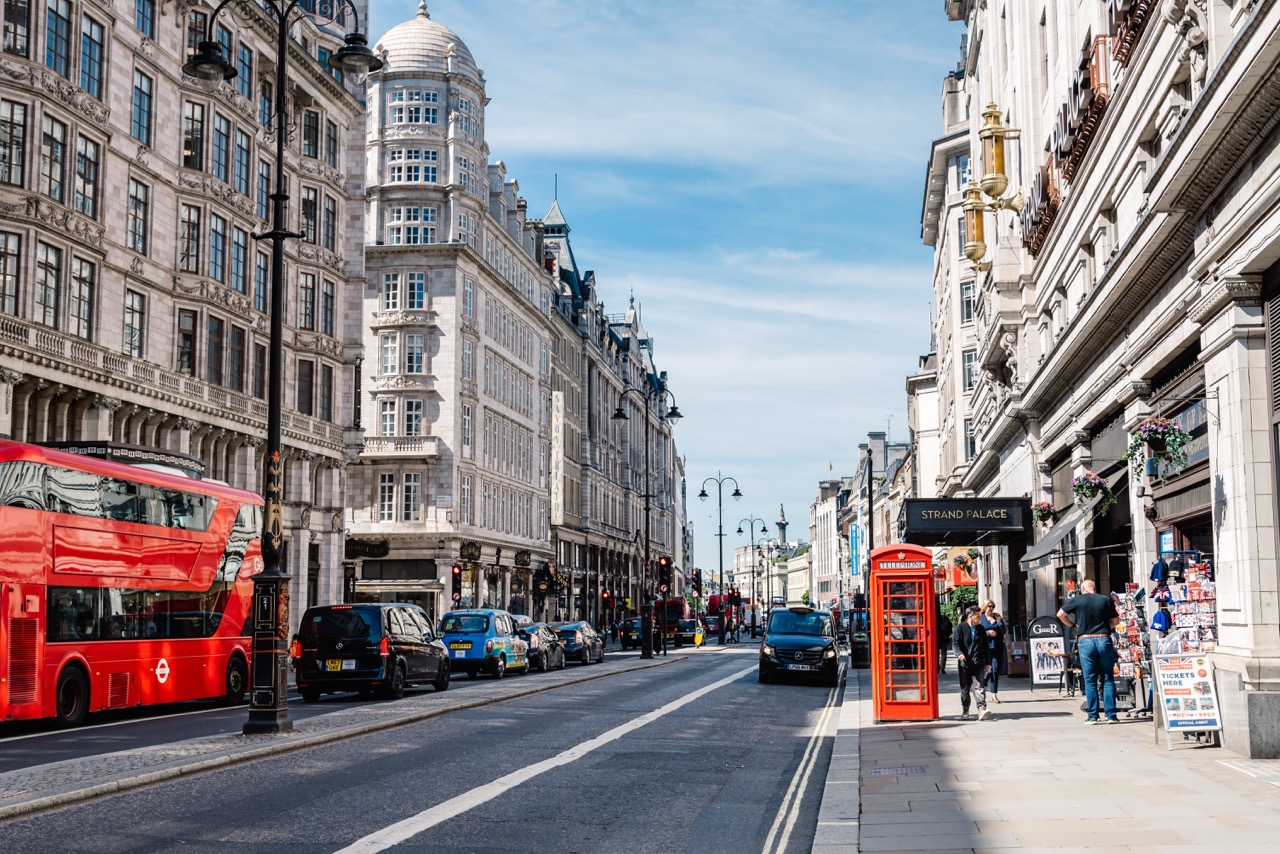
54–56 Victoria Street, St Albans AL1 3HZ
A short walk from St Albans City station, with parking nearby. Serving Hertfordshire and North London, and easy to reach from Harpenden, Hatfield, Radlett, Watford, Borehamwood, Hemel Hempstead, Welwyn Garden City and Luton. Direct Thameslink trains from London St Pancras, Farringdon and Blackfriars.
London Private Ultrasound is a CQC-registered clinic, and the clinicians who scan your calf and review your results are on the UK’s professional registers. This is who stands behind your scan.
Care Quality Commission
London Private Ultrasound is a CQC-registered clinic, so our service is held to national standards for safe, effective care.
General Medical Council
Our Medical Director, Dr Babak Soleimanpour (GMC 6060555), and the doctors who review your care are on the GMC register.
Health & Care Professions Council
Our Lead MSK Consultant Clinician, Mr Paul Watson (HCPC PH105122), is on the HCPC register for radiographers and allied health professionals.
Royal College of Radiologists
The UK professional body for radiology. Our MSK team includes radiology-trained doctors, and your findings follow in a written report within 24 hours.
Chartered Society of Physiotherapy
Mr Paul Watson is a CSP member, so physiotherapy expertise sits behind your scan and your advice on next steps.

Mr Paul Watson
Lead MSK Consultant ClinicianHCPC · NMP · DipMSK · DFSEM · CSP · PgCert
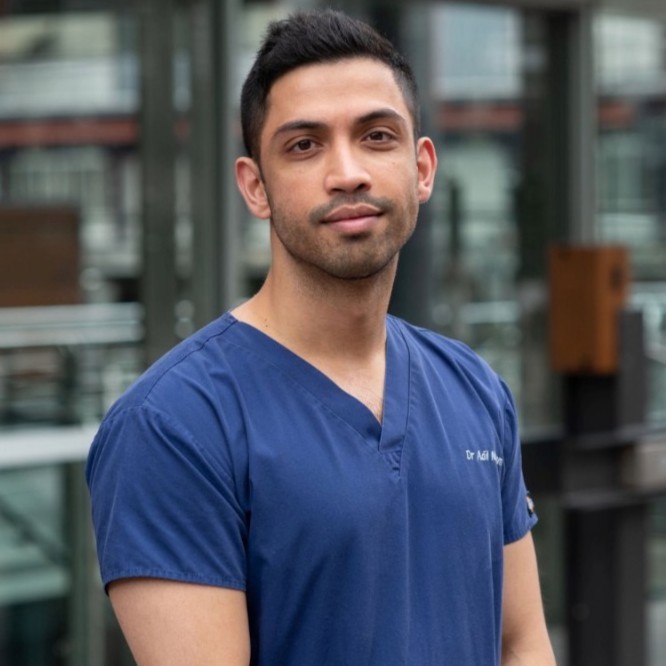
Dr Adil Naeem
Medical DoctorMBChB · FRANZCR · musculoskeletal radiology
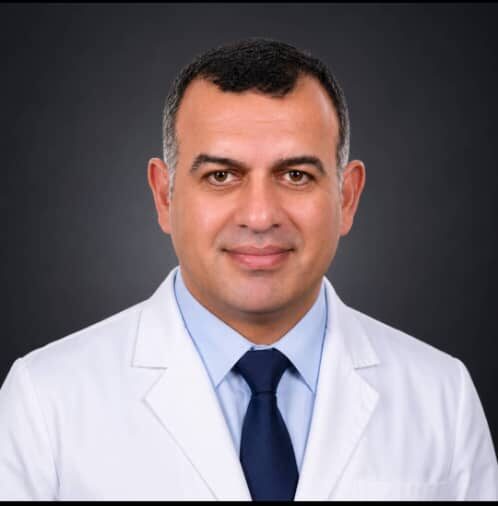
Dr Reza Salehi
Medical DoctorMBChB · FRANZCR · musculoskeletal radiology

Mr Benjamin Iyenkutty
Musculoskeletal SonographerPgCert MSK Ultrasound (UEL) · RCT · SoR
A private ultrasound scan in the UK typically costs from around £150 to £350 for a musculoskeletal scan, and more for specialist or multi-area scans. The price depends on the scan, the part of the body and the clinic.
At London Private Ultrasound a calf ultrasound costs £199 for one leg and £299 for both legs, and a DVT Doppler scan is from £249. Each price includes results explained on the day and a written report within 24 hours.
Yes. Ultrasound is one of the best tests for a torn calf muscle. It shows the typical tear (tennis leg) where the gastrocnemius meets the soleus, with fluid or a haematoma between the muscles, and whether the tear is partial or complete. It can also show a plantaris rupture, which feels similar.
Your specialist can describe how severe the injury is and give practical advice on next steps and returning to activity.
A leg Doppler (DVT) ultrasound in the UK typically costs from around £200 to £350, depending on the clinic and whether one or both legs are scanned.
At London Private Ultrasound a DVT Doppler scan is £249 for one leg and £449 for both legs, with no GP referral needed. A calf muscle scan does not check for blood clots.
NHS ultrasound waiting times vary by area and by how urgent the scan is, and routine musculoskeletal scans can take several weeks after a GP referral. Suspected blood clots are usually seen sooner.
If you cannot wait, you can book a private scan directly, with same-day or next-day appointments often available and no GP referral needed. If you think you have a clot, do not wait: call NHS 111 or go to A&E.
A calf ultrasound scan assesses the muscles, tendons, fascia and soft tissues of the posterior lower leg. It is useful for calf pain, suspected muscle tear, tennis leg, Baker’s cyst rupture, muscle herniation and calf lumps.
One leg costs £199 and both legs cost £299. The price includes same-day verbal results and a written report within 24 hours.
No. A calf MSK ultrasound assesses muscles and soft tissues. A DVT Doppler scan assesses the deep veins for blood clots. If you have swelling, redness and warmth, please consider a DVT scan or call us for advice.
Yes. Ultrasound can identify the typical fluid or haematoma between the medial gastrocnemius and soleus muscles and can help grade the injury.
No. You can book directly online or call 020 7101 3377.
One leg is suitable for one-sided symptoms. Both legs can be helpful for bilateral symptoms, sports symmetry assessment or comparison with the unaffected side.
Yes. Ultrasound shows a calf haematoma, which is a collection of blood in or between the muscles after an injury, and other fluid collections. It can measure the size and be repeated to see whether it is shrinking.
It can also show whether the fluid is coming from a torn muscle or from a ruptured Baker’s cyst behind the knee, which can look very similar.
Yes. Ultrasound is the first test for a calf lump. It shows the size, depth and blood supply, and whether it is fluid-filled, fatty or solid, so a harmless cyst, lipoma or muscle herniation can be told apart from something that needs further tests.
A muscle herniation, where the muscle bulges through the fascia when you exercise, can be shown by scanning while you tense the muscle.
For most calf muscle tears, ultrasound is the ideal first test. It shows the muscle and any fluid or haematoma clearly, and can watch the muscle move. It is quick, comfortable and explained on the day.
MRI is better for deep or complex injuries, and for problems in the bone. If your scan suggests an MRI would help, we will tell you.
A normal DVT scan means there is no clot in the deep veins, but the pain still has a cause. Common ones are a calf muscle strain or tear, a ruptured Baker’s cyst, a haematoma, plantaris rupture or a nerve or tendon problem.
A calf muscle ultrasound can look for these. If your pain or swelling is getting worse, get medical advice rather than waiting.
Our scan is a diagnostic test: it looks at the muscle and does not treat it. Therapeutic ultrasound is a different treatment some physiotherapists offer, and the evidence that it helps a calf strain is limited, so ask your physiotherapist what they recommend.
A diagnostic scan can show how severe the strain or tear is, which helps decide the right treatment and when it is safe to return to sport.
Our Central London clinic is at 27 Welbeck Street, W1G 8EN, in the Harley Street Medical District, two minutes from Bond Street on the Elizabeth line. Our second clinic is at 54–56 Victoria Street, St Albans AL1 3HZ, near St Albans City station.
Both offer calf ultrasound seven days a week, 9am to 7pm, with same-day appointments often available. Online booking is for patients aged 18 and over.
Medical disclaimer. This page is general information and does not replace individual medical advice. Ultrasound shows muscles and soft tissues well but does not show the inside of bones, so a suspected fracture may need an X-ray. A calf muscle scan does not check for blood clots. Call 999 or go to A&E if you have chest pain or breathlessness, and get same-day medical advice for a swollen, red, warm or painful calf, especially after surgery, a long flight or time in bed. Go to A&E if you cannot put weight on your leg after an injury or the leg looks deformed.