Discreet men’s health assessment · Central London & St Albans

Private Erectile Dysfunction Test in London

A private erectile dysfunction test at London Private Ultrasound costs £729 and finds the physical cause behind the symptom in a single visit. One blood sample covers your hormones, thyroid, blood sugar, cholesterol and prostate marker, alongside a testicular ultrasound, a GP appointment and a medication review. No GP referral needed, discreet throughout, and your results are explained by a doctor rather than emailed as a set of numbers.

Erectile dysfunction is a symptom, not a diagnosis. This screening exists to find what is behind it: blood vessels, hormones, blood sugar, thyroid function, prescribed medication, psychological factors, or several of these at once. The assessment is built to tell you which, so that whatever you do next is aimed at the actual cause.

  • £729 all-inclusive
  • 40+ blood markers
  • Testicular ultrasound included
  • GP appointment included
  • Medication review
  • No GP referral needed
  • Open 7 days a week
After your diagnosis

We are a diagnostic clinic. Once your results are in, our GP explains what they mean and, where treatment is needed, refers you to one of our specialists — urology, endocrinology, cardiology or psychosexual medicine, depending on the cause. Extra cost applies for that specialist consultation, which is booked separately and is not included in the assessment price.

Quick facts

Erectile Dysfunction Test at a Glance: Cost, Coverage and Timings

Price£729 all-inclusive · no hidden fees
What’s includedMore than 40 markers covered by two comprehensive blood panels, plus a testicular ultrasound, a GP appointment, a medication review and a written report
Also known asErectile dysfunction blood test · ED test · impotence test · erectile dysfunction screening
Main causes checkedTestosterone deficiency · diabetes and insulin resistance · cardiovascular risk · thyroid disease · raised prolactin · medication side effects · structural findings in the testicles
Appointment timeAllow around 60–90 minutes for bloods, scan and consultation
Best time to bookMorning, because testosterone is at its highest and gives the most reliable reading
PreparationBring a list of your medication and supplements. Fasting guidance for the blood sugar and cholesterol markers is confirmed when you book.
GP referralNo GP referral needed — book directly
After your diagnosisOnce the diagnosis is complete, our GP refers you to one of our specialists for treatment (extra cost applies). Specialist appointments are not included in the £729 assessment price.
PrivacyPrivate room · discreet throughout · nothing shared with your NHS GP unless you ask
ResultsScan findings on the day · blood results typically within about 3 working days
Locations27 Welbeck Street, Central London W1G 8EN · 54–56 Victoria Street, St Albans AL1 3HZ
Availability7 days a week, 9am–7pm · same-day appointments often available
Why testing matters

Erectile Dysfunction Is a Symptom. This Test Looks for the Cause.

Most men searching for erectile dysfunction treatment are offered a tablet. A tablet can work well, but it treats the symptom and tells you nothing about why the symptom appeared. That matters, because erectile difficulties are frequently the first outward sign of something measurable and treatable, and because the right treatment is a different one depending on which cause is behind it.

An early cardiovascular signal

The arteries that supply the penis are considerably narrower than the coronary arteries, so the same process that stiffens and narrows blood vessels tends to show itself there first. Erectile difficulties can precede any cardiac symptom by several years, which makes cholesterol, blood sugar and blood pressure worth checking properly.

Undiagnosed diabetes

Erectile dysfunction is a recognised early presentation of type 2 diabetes and insulin resistance, sometimes years before a routine check picks it up. HbA1c and glucose are both included, so this is answered rather than assumed.

Hormones beyond testosterone

Low testosterone is one cause, but it is not the only hormonal one. A raised prolactin can point to a pituitary problem, an over- or under-active thyroid affects libido and function, and oestradiol matters when testosterone is interpreted. All are measured together.

Medication you are already taking

Some blood pressure tablets, antidepressants, treatments for prostate enlargement and hair loss, and other everyday prescriptions contribute to erectile difficulties. This is one of the most commonly missed causes and one of the easiest to act on, which is why a medication review is built in.

Structural findings

A testicular ultrasound can reveal a varicocele, a cyst, a hydrocele or a mass, and gives an objective read on testicular size that supports the hormone results. Some of these change what happens next; none of them can be felt reliably by hand.

The psychological side

Stress, anxiety, low mood and relationship pressures are common causes and often sit alongside a physical one. Ruling the physical contributors in or out is genuinely useful here: it stops the guesswork, and your GP can talk through the psychological side and where to find support for it.

Roughly how common is each cause? There is no single answer, and in most men more than one factor is at play at the same time. What is consistent in the evidence is that vascular and metabolic causes dominate from middle age onwards, hormonal causes account for a minority, medication is under-recognised, and psychological factors are more prominent in younger men and in sudden-onset cases. Testing sorts your own case into those groups instead of leaving you to guess.

What is included

What the Erectile Dysfunction Test Actually Measures

Two blood panels are taken from a single sample, alongside imaging and a doctor’s assessment. Rather than list markers for the sake of it, here is what each group is there to answer.

Sex hormones

Testosterone means little without the proteins that bind it, so the panel measures the free and bound picture together.

  • Total testosterone
  • Free testosterone
  • Sex hormone binding globulin (SHBG)
  • Free androgen index
  • Oestradiol

Pituitary & thyroid

Both can drive erectile difficulties quietly, and both are straightforward to treat once identified.

  • Prolactin
  • TSH
  • Free T4

Blood sugar & cardiovascular risk

The metabolic group, and the one most likely to change what you do about your health more broadly.

  • HbA1c (average blood sugar)
  • Fasting glucose
  • Total cholesterol, HDL, LDL
  • Triglycerides

Prostate marker

PSA is included so that urinary symptoms and prostate health can be interpreted alongside everything else.

  • PSA, taken with your consent
  • Discussed with your GP before and after
  • Interpreted alongside your history

General health screen

A broad background panel, because anaemia, kidney or liver problems and mineral disturbance all affect energy, libido and function.

  • Full blood count and ESR
  • Kidney function and eGFR
  • Liver function including ALT and gamma GT
  • Calcium, phosphate, magnesium, uric acid
  • Iron studies, protein and albumin

Ultrasound & consultation

The parts a blood-only profile leaves out, and usually the parts that make the numbers make sense.

  • Testicular ultrasound
  • GP appointment and examination where appropriate
  • Medication and supplement review
  • Written report and referral letter if needed

What this assessment does not include. Semen analysis and fertility testing are arranged separately, as is sexually transmitted infection screening, which can be added at the same visit if you would like it. Any treatment or medication that follows from your results is not part of the price. And no blood test can measure the psychological contribution to erectile dysfunction, which is why the consultation covers it directly rather than leaving it to the laboratory.

How to read your results

What Each Group of Results Tells You About Erectile Dysfunction

A list of markers is not much use on its own. This is the reasoning your GP works through when your results come back.

What is measuredWhat it checks forWhy it matters here
Testosterone, free testosterone, SHBG, free androgen index Testosterone deficiency, and how much of your testosterone is actually available to your body A normal total testosterone with a high SHBG can still leave you functionally low. Measuring only the total is the most common reason a hormonal cause gets missed.
Oestradiol The balance between testosterone and oestrogen Raised oestradiol, often linked to excess weight, can suppress testosterone and affect libido and erections.
Prolactin A pituitary cause A significantly raised prolactin can suppress testosterone and points to a specific, treatable problem that is easily missed without the test.
TSH and free T4 Thyroid function Both an underactive and an overactive thyroid are associated with erectile difficulties and reduced libido, and both are treatable.
HbA1c and glucose Diabetes and prediabetes Diabetes damages both the small blood vessels and the nerves involved in erections. Erectile dysfunction is a recognised early presentation.
Cholesterol and triglycerides Cardiovascular risk The vascular cause is the most common one from middle age. These numbers also guide what you can do about it.
PSA Prostate health Relevant if you also have urinary symptoms, and useful context before considering any hormone treatment.
Full blood count, kidney, liver and iron studies General health, anaemia, organ function Fatigue, low libido and reduced function frequently trace back here. Iron and liver results also matter if testosterone treatment is ever discussed.
Testicular ultrasound Structure of the testicles and surrounding tissue Identifies a varicocele, cyst, hydrocele or mass, and gives an objective read on testicular size that supports the hormone results.
Medication review Drug-related causes Several common prescriptions contribute to erectile difficulties. Identifying one gives you something concrete to discuss with your prescriber.

A note on PSA. PSA is a useful marker but not a straightforward one: it rises with prostate enlargement, inflammation and infection as well as cancer, and a raised result can lead to further investigation. It is included here because it is relevant alongside urinary symptoms and hormone results, and your GP will discuss what the result does and does not mean. If you would rather not have PSA measured, tell the team before your blood is taken.

Treatment context

Erectile Dysfunction Treatment in London

Erectile dysfunction treatment is not one thing. Every route below is well established, but which one is appropriate, and how likely it is to work for you, depends on what is actually driving the problem. That is the question this assessment answers, which is why testing belongs before treatment rather than after it.

Treating the underlying cause

Where the cause turns out to be undiagnosed diabetes, a thyroid disorder, a raised prolactin or genuinely low testosterone, treating that condition addresses the problem at its root instead of working around it. This is the route most likely to give a lasting improvement, and it only becomes available once the cause has been identified.

Changing a medication

If a current prescription is contributing, the fastest treatment is often a conversation with whoever prescribed it about an alternative. Never stop a prescribed medicine on your own. A medication review is included in the assessment for exactly this reason.

Tablets (PDE5 inhibitors)

The best known erectile dysfunction treatment and effective for a large proportion of men. They are not suitable for everyone, particularly alongside nitrate medication or with certain cardiac conditions, which is one more reason for a proper assessment before any treatment starts.

Treating cardiovascular and metabolic risk

Where cholesterol, blood sugar or blood pressure point towards vascular disease, treating that risk is both a treatment for the erections and a treatment for something considerably more serious. It is the finding men are most glad to have caught early.

Psychological and psychosexual support

Where the picture is psychological, or partly psychological, talking therapies and psychosexual support are the evidence-based route. Ruling the physical contributors in or out first makes that work more focused rather than leaving an open question in the background.

Specialist and second-line options

Vacuum devices, injectable treatments and surgical options are established second-line routes for men who do not respond to first-line treatment, and newer approaches such as low-intensity shockwave therapy are offered by some services while the evidence continues to develop. These sit with a urologist or andrologist, and a referral letter containing confirmed results makes that appointment far more productive.

How treatment works here. We are a diagnostic clinic. Every assessment includes blood tests, an ultrasound and a GP appointment, with a heart check added where the findings call for it. Once the diagnosis is complete, our GP refers you to one of our specialists — a urologist, endocrinologist, cardiologist or psychosexual practitioner, depending on the cause — to start treatment. Extra cost applies for that specialist consultation, which is booked separately and is not included in the £729 assessment price.

Why not simply start treatment? Because a tablet that works still leaves the original question unanswered, and several of the causes worth finding, including diabetes, thyroid disease, a raised prolactin and early vascular disease, matter well beyond erections. Starting with a diagnosis does not delay treatment. It tells you which treatment you are choosing between, and what else may need attention at the same time.

Who it is for

When to Book an Erectile Dysfunction Test

Occasional difficulty is normal and happens to most men. It is worth investigating when it has become a pattern, when it appeared alongside other changes, or when it is affecting how you feel day to day.

Difficulty that has become the norm

Trouble getting or keeping an erection on most occasions over several weeks or months, rather than an isolated off night.

Fewer morning erections

A gradual reduction in spontaneous morning erections often points towards a physical rather than a psychological cause, and is worth measuring.

Low libido, energy or mood

Reduced sex drive, persistent fatigue, low mood, poor concentration or loss of muscle mass alongside erectile difficulties raise the question of a hormonal or metabolic cause.

After starting a new medication

If the timing lines up with a new prescription, the medication review is often the fastest route to an answer. Do not stop anything yourself first.

Existing risk factors

High blood pressure, raised cholesterol, diabetes, excess weight, smoking or a family history of heart disease all make the vascular and metabolic causes more likely, and more worth quantifying.

Before starting any treatment

If you are considering treatment, whether from a GP or an online service, a baseline set of results tells you what you are treating and gives you something to measure against later.

Seek urgent medical care instead of booking a routine appointment if you have an erection that has lasted more than four hours, which is a medical emergency and needs A&E now; sudden severe testicular pain; or chest pain, chest tightness or breathlessness on exertion. If erectile difficulties began abruptly after pelvic surgery, an injury, or alongside a new neurological symptom such as leg weakness, numbness or a change in bladder or bowel control, seek medical advice promptly.

If this is affecting your mental health. Erectile dysfunction and low mood commonly travel together, in both directions. If you are feeling persistently low, anxious or hopeless, please mention it at your appointment, or speak to your NHS GP. Support for that side of it is available and it is as legitimate a part of the problem as any blood result.

Your appointment

What Happens on the Day

One visit of roughly 60 to 90 minutes covers the bloods, the scan and the consultation. It is a routine medical appointment, handled discreetly, and there is nothing about it you need to prepare yourself for emotionally.

BeforeBooking

Book a morning slot

Testosterone peaks in the morning, so a morning appointment avoids a falsely low reading. Bring a list of every medication and supplement you take, and any recent blood results.

0 minArrival

Private check-in

You are shown to a private room. Nothing about the reason for your visit is discussed at reception.

10 minBloods

One blood sample

A single draw from the arm covers every marker in both panels, from testosterone through to cholesterol and the general health screen.

25 minScan

Testicular ultrasound

You lie on your back with a towel covering everything except the area being scanned. Warm gel and a small probe, about fifteen minutes, nothing enters the body and no radiation is used.

45 minGP

GP appointment

A doctor takes your history, asks about the pattern and timing of your symptoms, examines you where appropriate, and explains what the tests are looking for and what the possible next steps are.

\~3 daysResults

Results and report

Scan findings are explained on the day. Blood results follow, with the hormone panel taking around three working days, and your written report sets out the findings and the recommended next step.

Preparing for the appointment. Book a morning slot for the most reliable testosterone reading. Bring your medication and supplement list, including anything bought over the counter. Avoid a heavy training session the day before, and if you have had a recent illness or a course of steroids, mention it, as both can temporarily shift hormone results. Fasting guidance for the blood sugar and cholesterol markers is confirmed when you book.

Cost and value

How Much Does an Erectile Dysfunction Test Cost in London?

Ours is £729, all in. Prices elsewhere are hard to compare directly because clinics bundle very different things under similar names: a blood-only erectile dysfunction profile is cheaper but includes no imaging and no doctor, while a consultation-only appointment includes no testing at all. It is worth checking what is actually in the price before comparing figures.

What the £729 covers

Sex hormone profile including free testosterone, SHBG and oestradiolIncluded
Prolactin and thyroid functionIncluded
HbA1c, glucose and full lipid profileIncluded
PSAIncluded
Full blood count, kidney, liver, bone, iron and mineral screenIncluded
Testicular ultrasoundIncluded
GP appointment and clinical assessmentIncluded
Medication and supplement reviewIncluded
Written report and results explainedIncluded
Referral letter to your GP or a specialist if neededIncluded
Specialist appointment to start treatment after diagnosisExtra cost applies
Total, all-inclusive£729

Semen analysis, fertility testing, STI screening and any treatment that follows from your results are priced separately. Where treatment is needed, our GP refers you to one of our specialists after the diagnosis is complete — that specialist consultation is booked separately and is not included in the £729. On the NHS, investigation of erectile dysfunction has no direct cost once your GP has arranged it, though the panel is usually narrower and the steps happen one at a time over several appointments. Booking privately buys the breadth, the imaging and the speed, in one visit.

Find us

Erectile Dysfunction Test Near Me: Central London and St Albans

Two clinics, seven days a week, 9am to 7pm, with same-day and next-day appointments frequently available. Both run the full assessment at £729, with the bloods, the scan and the GP appointment in one visit.

Central London — Harley Street Medical District

27 Welbeck Street, London W1G 8EN

Two minutes from Bond Street (Elizabeth line, Central, Jubilee), five from Oxford Circus, eight from Marylebone and Baker Street. Convenient for patients travelling in from Mayfair, Fitzrovia, Soho, the City and Paddington.

020 7101 3377 · Get directions

St Albans — Hertfordshire

54–56 Victoria Street, St Albans AL1 3HZ

A short walk from St Albans City station, with parking nearby. Convenient for patients across Hertfordshire, North London, Watford, Hatfield, Harpenden and Welwyn Garden City.

Contact the clinic · Get directions

Accredited · Regulated · Trusted

Registered & Regulated

Professional bodies and regulators relevant to clinical governance, standards and registration.

The Royal College of Radiologists

Professional standards, education and guidance for clinical radiology and clinical oncology.

General Medical Council

Official register and professional standards for doctors and regulated medical associates.

Care Quality Commission

Independent regulator of health and adult social-care services in England.

Health and Care Professions Council

Official register for regulated health and care professionals, including radiographers.

Royal College of Surgeons of England

Professional standards, education and support for surgical practice and patient care.

4.8Google Rating
1,200+Verified Reviews
35,000+Patients Served
2012Harley Street Est.
Who you will see

The Team Behind Your Assessment

Results are interpreted by a GP, not returned as a laboratory printout. Your scan is performed by an experienced ultrasound clinician within the same visit, and your medication review is supported by a pharmacist prescriber.

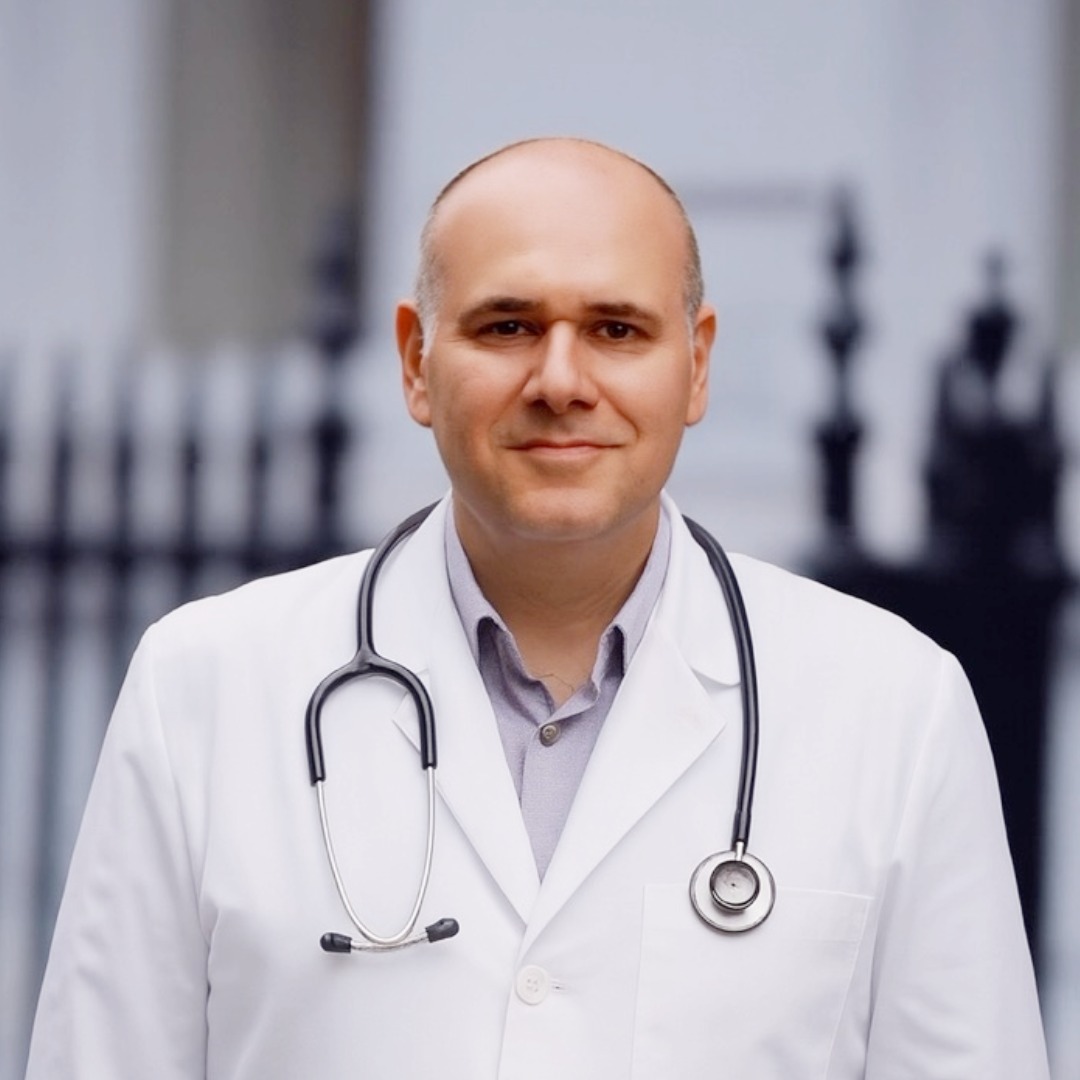
Dr Babak Soleimanpour, Medical Director and GP at London Private Ultrasound

Dr Babak Soleimanpour

Medical Director & GP

MD · MRCGP · DRCOG · Overall clinical governance responsibility

Mrs Hosna Rashidi, Consultant Sonographer at London Private Ultrasound

Mrs Hosna Rashidi

Consultant Sonographer

General, urological and male-health ultrasound assessment

Mr Pedram Aghaei, Co-founder and Ultrasound Consultant at London Private Ultrasound

Mr Pedram Aghaei

Co-founder & Ultrasound Consultant

Co-founder of London Private Ultrasound

Mr Ali Aghaei, Pharmacist Prescriber at London Private Ultrasound

Mr Ali Aghaei

Pharmacist Prescriber

Medication review and prescribing support where clinically appropriate

Book online

Book Your Private Erectile Dysfunction Test

£729 for the bloods, the testicular ultrasound, the GP appointment and the medication review, in one visit. Morning slots give the most reliable hormone results. Call 020 7101 3377 if you would like to talk it through first.

Secure online booking Opens in a new tab · 7 days a week
Questions

Erectile Dysfunction Test: Frequently Asked Questions

The questions our team is asked most often, answered plainly.

How much does an erectile dysfunction test cost in London?

A private erectile dysfunction test at London Private Ultrasound is £729, all-inclusive. That covers both blood panels, the testicular ultrasound, a GP appointment, a medication review and your written report.

Prices elsewhere vary widely because clinics bundle very different things: a blood-only erectile dysfunction profile is cheaper, but it does not include imaging or a doctor to interpret the results, and a consultation-only appointment does not include testing. Compare what is actually in the price rather than the headline figure.

What tests are done for erectile dysfunction?

A thorough work-up looks for the physical contributors worth ruling in or out: sex hormones including total and free testosterone, SHBG, free androgen index and oestradiol; prolactin and thyroid function; blood sugar and HbA1c; a full cholesterol and triglyceride profile; PSA; and a general screen of kidney function, liver function, blood count and iron.

Imaging of the testicles and a medication review complete the picture, because structural findings and prescription side effects are both common and easily missed.

What blood test checks erectile dysfunction?

There is no single blood test for erectile dysfunction. What blood tests do is identify the treatable causes behind it. The most informative are morning total and free testosterone with SHBG, HbA1c and glucose for undiagnosed diabetes, a lipid profile for cardiovascular risk, thyroid function, and prolactin, which can point to a pituitary cause when raised.

Ordered individually these add up quickly, which is why they are grouped into one panel here.

Do I need a GP referral?

No GP referral is needed. You can book directly, without a referral from your NHS GP. If you have recent blood results, a hospital letter or a list of your current medication, bring them, as they give useful clinical context.

Is erectile dysfunction a sign of heart disease?

It can be an early one. The arteries supplying the penis are much narrower than the coronary arteries, so the same process that narrows blood vessels tends to show up there first. That is why erectile difficulties can appear several years before any cardiac symptom, and why a proper assessment checks cholesterol, blood sugar and blood pressure rather than treating the symptom alone.

This is not a reason to panic. It is a reason to get the numbers checked while there is time to act on them.

Does erectile dysfunction mean I have low testosterone?

Not usually. Low testosterone is one recognised cause but it accounts for a minority of cases, and many men with erectile difficulties have entirely normal levels.

That is exactly why the panel measures testosterone alongside blood sugar, cholesterol, thyroid function and prolactin rather than testing testosterone in isolation, which can be misleading on its own.

Can medication cause erectile dysfunction?

Yes, and it is one of the most commonly missed causes. Some blood pressure tablets, antidepressants, treatments for prostate enlargement and hair loss, and several other everyday prescriptions can all contribute. A medication review is included for that reason.

Never stop a prescribed medicine on your own. The point of the review is to identify what is worth discussing with whoever prescribed it.

Can anxiety or stress cause erectile dysfunction?

Yes. Psychological factors including stress, anxiety, low mood and relationship strain are a common cause, particularly when the problem started suddenly, comes and goes, or morning erections are still present. Physical and psychological causes frequently overlap.

Testing is still worthwhile, because it rules the physical contributors in or out, and your GP can talk through the psychological side and where to get support for it.

Why does the appointment need to be in the morning?

Testosterone follows a daily rhythm and is at its highest in the morning, so an afternoon sample can read low in a man whose levels are actually normal. Booking a morning slot avoids a result that has to be repeated. Fasting guidance for the blood sugar and cholesterol markers is confirmed when you book.

Why is a testicular ultrasound included?

Because erectile difficulties are sometimes accompanied by a structural finding that changes what happens next, such as a varicocele, a cyst, a hydrocele or a testicular mass. Small testicular volume can also support a hormonal picture.

It takes about fifteen minutes, nothing enters the body and no radiation is used. You can read more on our testicular ultrasound page.

Is the appointment confidential?

Yes. The appointment, the examination, the discussion and your results are handled with strict medical confidentiality, in a private room, by a team that does this every week. Nothing is shared with your NHS GP unless you ask for it.

How long do the results take?

Ultrasound findings are explained on the day. Blood results follow, with the hormone profile being the longest at around three working days, so the full picture is normally with you within about three days of the visit. Your report sets out the findings and the recommended next step.

Can erectile dysfunction be cured?

Often it can be substantially improved, and sometimes resolved, once the cause is identified. Where the cause is undiagnosed diabetes, a thyroid problem, a raised prolactin, low testosterone or a medication side effect, treating that cause addresses the problem at its root rather than masking it.

Where the cause is vascular or psychological, there are well-established treatment routes. What matters is starting with a diagnosis rather than a guess.

Can I start erectile dysfunction treatment after the test?

Yes. We are a diagnostic clinic, so our job is to complete the diagnosis and then get you to the right person for treatment. Once your bloods and scan are back, our GP goes through the findings with you and, where treatment is needed, refers you to one of our specialists — a urologist, endocrinologist, cardiologist or psychosexual practitioner, depending on what the results show.

Extra cost applies for that specialist consultation. It is booked separately and is not included in the £729 assessment, and there is no obligation to take the referral up. Your written report and referral letter are yours to use with your NHS GP or any other clinician you prefer. If you would like to know more, mention it at your appointment or call 020 7101 3377.

What is the best treatment for erectile dysfunction?

There is no single best erectile dysfunction treatment, because the most effective option depends on the cause. Where a hormonal, thyroid, metabolic or medication-related cause is found, treating that is usually the route with the most durable result. Where the cause is vascular, treating cardiovascular risk matters for far more than erections. Where it is psychological, psychosexual support is the evidence-based route.

Tablets known as PDE5 inhibitors are the most widely used first-line treatment and work well for many men, but they are not suitable for everyone and they do not answer the underlying question. That is why an assessment first is worth the step.

What is the latest treatment for erectile dysfunction?

The established options have not changed much: treating the underlying cause, reviewing contributing medication, PDE5 inhibitor tablets, vacuum devices, injectable treatments, psychosexual therapy and, in selected cases, surgery. Newer approaches such as low-intensity shockwave therapy and regenerative treatments are offered by some private services, but the evidence base is still developing and they are not currently standard NHS care.

Whatever is newest, the first step is the same. Knowing which cause you are treating is what makes any of these choices meaningful rather than a guess.

Is erectile dysfunction treatment available on the NHS?

Yes. Your NHS GP can investigate erectile dysfunction and prescribe treatment, and there is no direct cost once that has been arranged. The usual difference is pace and breadth: the panel is normally narrower, imaging is not routinely included, and the steps tend to happen one at a time across several appointments.

Booking privately buys the breadth, the imaging and the speed in a single visit. Nothing here replaces your NHS GP, and the written report is designed to be handed straight to them if that is what you would rather do.

What is not included?

Semen analysis and fertility testing are not part of this package and are arranged separately. Sexually transmitted infection screening is separate too and can be added at the same visit. Any medication or treatment that follows from your results is not included in the price, and the specialist appointment we refer you to after diagnosis carries an extra cost.

What happens if something is found?

Your GP explains the finding and what it means, and sets out the next step, which might be treatment, a repeat test at an appropriate interval, further imaging or referral to a urologist, endocrinologist or cardiology service.

A referral letter is included at no extra charge, and because it contains confirmed results it usually makes the onward appointment more productive.

When should I seek urgent care instead of booking a test?

An erection lasting more than four hours is a medical emergency and needs A&E immediately. So does sudden severe testicular pain, or chest pain, breathlessness or chest tightness on exertion.

If erectile difficulties began suddenly after pelvic surgery, an injury or a new neurological symptom such as leg weakness or numbness, seek medical advice promptly rather than booking a routine appointment.

Where can I get an erectile dysfunction test near me in London?

London Private Ultrasound has two clinics. Central London is at 27 Welbeck Street, W1G 8EN, in the Harley Street Medical District, a short walk from Bond Street, Oxford Circus and Marylebone. St Albans is at 54–56 Victoria Street, AL1 3HZ.

Both are open seven days a week, 9am to 7pm, with same-day appointments often available.

Medical disclaimer. This page is general information and does not replace individual medical advice. Blood tests and ultrasound identify contributing factors; they cannot on their own diagnose or exclude every cause of erectile dysfunction, and results must be interpreted alongside your history and examination. Do not stop or change prescribed medication without speaking to the prescriber. Seek urgent medical attention rather than booking a routine appointment if you have an erection lasting more than four hours, sudden severe testicular pain, or chest pain or breathlessness on exertion.

Scroll to Top