
Both testicles
Each testis is measured and assessed for size, shape, texture and any focal change, so a lump can be located precisely.
- Solid masses and suspicious lesions
- Testicular microlithiasis
- Calcification and scarring
- Trauma-related change
Discreet men’s health scan · Central London & St Albans
A private testicular ultrasound (also called a scrotal ultrasound) at London Private Ultrasound costs £219 and assesses both testicles, the epididymides, the spermatic cord and the scrotal sac for a lump, pain, swelling, varicocele, hydrocele, cysts, trauma, fertility concerns or suspected testicular cancer. No GP referral, a discreet 10–15 minute scan, and a same-day written report with images.
If you have felt a lump, noticed swelling or heaviness, or have unexplained pain, this is the scan that answers the structural question directly. It is a routine, respectful examination, results are explained on the day, and you leave with a report you can share with your GP or urologist.
Want STI screening, a same-day GP review and a pharmacist medication review alongside the scan? The Testes Health Check bundles all of it for £549. Compare both options.
| Price | £219 all-inclusive · no hidden fees |
|---|---|
| What’s included | Both testicles · epididymides · spermatic cord · scrotal sac · colour Doppler blood flow · findings explained on the day · same-day written report with images |
| Also known as | Scrotal ultrasound · testes ultrasound · testicular sonogram |
| Scan time | 10–15 minutes · allow around 30 minutes for the appointment |
| Who performs it | Experienced ultrasound clinician within a CQC-registered pathway |
| Preparation | None. Eat, drink and take medication as normal. Wear loose clothing. |
| GP referral | Not required — book directly |
| Privacy | Private room · only the area being scanned is exposed · confidential |
| Locations | 27 Welbeck Street, Central London W1G 8EN · 54–56 Victoria Street, St Albans AL1 3HZ |
| Results | Explained on the day · same-day written report with images |
| Availability | 7 days a week, 9am–7pm · same-day appointments often available |
A complete scrotal ultrasound looks at more than just the testicles. In one appointment we assess both testes, the tubes and cord behind them, the fluid space around them, and the blood flow that matters when torsion or a varicocele is a question.
Each testis is measured and assessed for size, shape, texture and any focal change, so a lump can be located precisely.
The epididymis that sits behind each testicle is checked for the cysts, swelling and inflammation that often explain scrotal pain.
The cord above each testicle is assessed with Doppler, which is how a varicocele is confirmed and graded.
The space around the testicle is checked for fluid collections and wall changes, which is where a hydrocele shows up.
Colour Doppler shows the blood supply to each testicle and within any lump, which is central when torsion or infection is suspected.
If you have felt something, the scan characterises it directly, and it can locate a testicle that has not descended.
What ultrasound cannot do. It cannot measure your sperm count or fertility hormones — that needs semen analysis and blood tests. It cannot on its own confirm or exclude testicular cancer; a suspicious finding needs urology review and sometimes further tests. And it does not treat infection, a varicocele or a hydrocele — it identifies the problem and guides the next step. If your scan shows anything that needs onward care, you receive a same-day referral letter at no extra charge.
An ultrasound answers the structural question — is there a lump, a varicocele, a hydrocele or inflammation. If you also want STI screening, a same-day doctor to interpret the findings and a prescription where one is needed, the Testes Health Check bundles all of it into a single visit. Booked separately, the scan, STD Quad, GP consultation and pharmacist review come to £584.
£219
Enough if you only want the imaging answer for a lump, ache, swelling or varicocele.
£549
The full men’s health picture in one same-day visit — imaging, STI screen and a doctor to tie it together. Saves £35 vs booking separately.
Not sure which fits? Call 020 7101 3377 or message us on WhatsApp and the clinic team will talk it through. You can also add STI screening or blood tests to the £219 scan on the day rather than upgrading to the full package.
Ultrasound is the first-line imaging test for most scrotal symptoms because it shows soft tissue, fluid and blood flow in real time. These are the conditions it is used to assess.
| Concern | What the scan assesses |
|---|---|
| Lump or mass | Whether a lump lies inside or outside the testicle, whether it is solid or a fluid cyst, and whether its appearance needs urgent urology review. |
| Testicular cancer | Ultrasound is highly sensitive for testicular tumours, including small masses and suspicious calcification, and separates them from benign swellings. |
| Pain or swelling | Inflammation, infection, blood-flow concern where torsion is suspected, trauma, cysts or fluid. |
| Varicocele | Enlarged veins in the spermatic cord and reflux on Doppler, relevant to aching, heaviness and fertility. |
| Hydrocele | Fluid around the testicle and whether it is a simple or a complex collection. |
| Epididymal cyst / spermatocele | Cystic changes in or around the epididymis, with their size and location. |
| Epididymitis / orchitis | Inflammation and infection of the epididymis or testicle, shown by swelling and increased Doppler flow. |
| Trauma | Haematoma, testicular rupture, contour change and blood-flow features after an injury. |
| Undescended testicle | Locating a testicle that has not descended into the scrotum. |
| Fertility-related concerns | Testicular size, varicocele and structural findings that support a wider fertility work-up alongside semen analysis and hormone tests. |
Most scrotal symptoms turn out to be benign, but a new lump, persistent swelling or unexplained pain should be checked rather than ignored.
Any new lump, hard area or change in the shape of a testicle should be assessed promptly. Ultrasound tells you quickly whether it is inside the testicle or a harmless cyst outside it.
Useful for inflammation, infection, trauma or a fluid collection. Ongoing or worsening pain that is not an emergency is a good reason to scan.
A dull ache or dragging heaviness, often worse at the end of the day, can point to a varicocele or hydrocele, both of which ultrasound confirms.
Often booked alongside semen analysis and hormone blood tests to check for a varicocele and assess testicular size and structure.
If you have found something during a self-check and want a clear answer rather than weeks of worry, a scan gives you a definitive structural assessment.
A cyst, a small varicocele or previously noted microlithiasis can be re-checked on schedule without waiting for an NHS slot.
Sudden, severe testicular pain is an emergency. Sudden severe pain, especially with swelling, nausea, vomiting or a high-riding testicle, may be testicular torsion — a surgical emergency where every hour matters. Do not wait for a routine private scan. Go straight to A&E or urgent care, or call 999.
If you have not had a scan like this before, it helps to know exactly what happens. It is a routine, non-invasive scrotal ultrasound carried out in a private room by an experienced clinician, and only the area being examined is exposed. Here is each step, from arrival to your report.
You are shown to a private room. A short clinical history confirms your symptoms and the reason for the scan. Nothing is rushed and everything is confidential.
You lie on your back and lower your underwear. A towel supports the scrotum and covers the surrounding area, so only the region being scanned is exposed.
Warm water-based gel is applied and a small probe is moved gently over each side of the scrotum. You may feel mild pressure but it should not hurt. Colour Doppler checks blood flow where needed.
Where appropriate, your clinician explains what was seen and what it does or does not mean before you leave, so you are not left guessing.
A written report with key images is provided the same day, ready to share with your GP or urologist, with a referral letter included if anything needs follow-up.
The scan itself takes about 10–15 minutes. Allow around half an hour for the whole appointment, including your history and the discussion.
There is almost nothing to do. No fasting, no full bladder and no medication changes. A few small things make the visit smoother.
No fasting and no full bladder are needed. Have your usual meals and take your regular medication.
Loose, comfortable clothing keeps the visit relaxed and makes the scan straightforward.
Any earlier ultrasound reports, urology letters or blood tests help the clinician compare and give context.
Jot down when you first noticed the lump, pain or swelling and whether it has changed, so nothing is forgotten on the day.
If an area is already sore, let your clinician know at the start so the scan can be adapted gently around it.
No special products, shaving or preparation of any kind is required. Turn up as normal and the team handles the rest.
A private testicular or scrotal ultrasound in London generally sits somewhere between roughly £150 and £270, depending on who performs and reports the scan and whether images and a written report are included. Ours is £219, all in.
| Ultrasound of both testicles, epididymides and spermatic cord | Included |
| Scrotal sac and hydrocele assessment | Included |
| Colour Doppler blood flow assessment | Included |
| Measurements and clinical assessment | Included |
| Findings explained on the day | Included |
| Same-day written report with key images | Included |
| GP or urology referral letter if needed | Included |
| Total | £219 |
Semen analysis, fertility hormone profiles and infection or STI screening are priced separately. If you would like structure and fertility assessed together, ask about adding these when you book.
Why the cheapest scan is not always comparable. The lowest advertised prices sometimes require a deposit, or do not include the written report and images unless you pay an add-on, or are reported by a technician rather than an experienced clinician. Before comparing prices, check three things: whether a written report with images is included, whether Doppler blood flow is part of the scan, and who performs and reports it.
Two clinics, seven days a week, 9am to 7pm, with same-day and next-day appointments frequently available. Both offer the full testicular and scrotal ultrasound at £219, with a same-day report.
27 Welbeck Street, London W1G 8EN
Two minutes from Bond Street (Elizabeth line, Central, Jubilee), five from Oxford Circus, eight from Marylebone and Baker Street. Convenient for patients travelling in from Mayfair, Fitzrovia, Soho, the City and Paddington.
54–56 Victoria Street, St Albans AL1 3HZ
A short walk from St Albans City station, with parking nearby. Convenient for patients across Hertfordshire, North London, Watford, Hatfield, Harpenden and Welwyn Garden City.
Your scan is performed within a CQC-registered diagnostic pathway by clinicians on the UK’s professional registers. Our patients should expect nothing less.

Professional standards, education and guidance for clinical radiology and clinical oncology.

Official register and professional standards for doctors and regulated medical associates.

Independent regulator of health and adult social-care services in England.

Official register for regulated health and care professionals, including radiographers.

Professional standards, education and support for surgical practice and patient care.
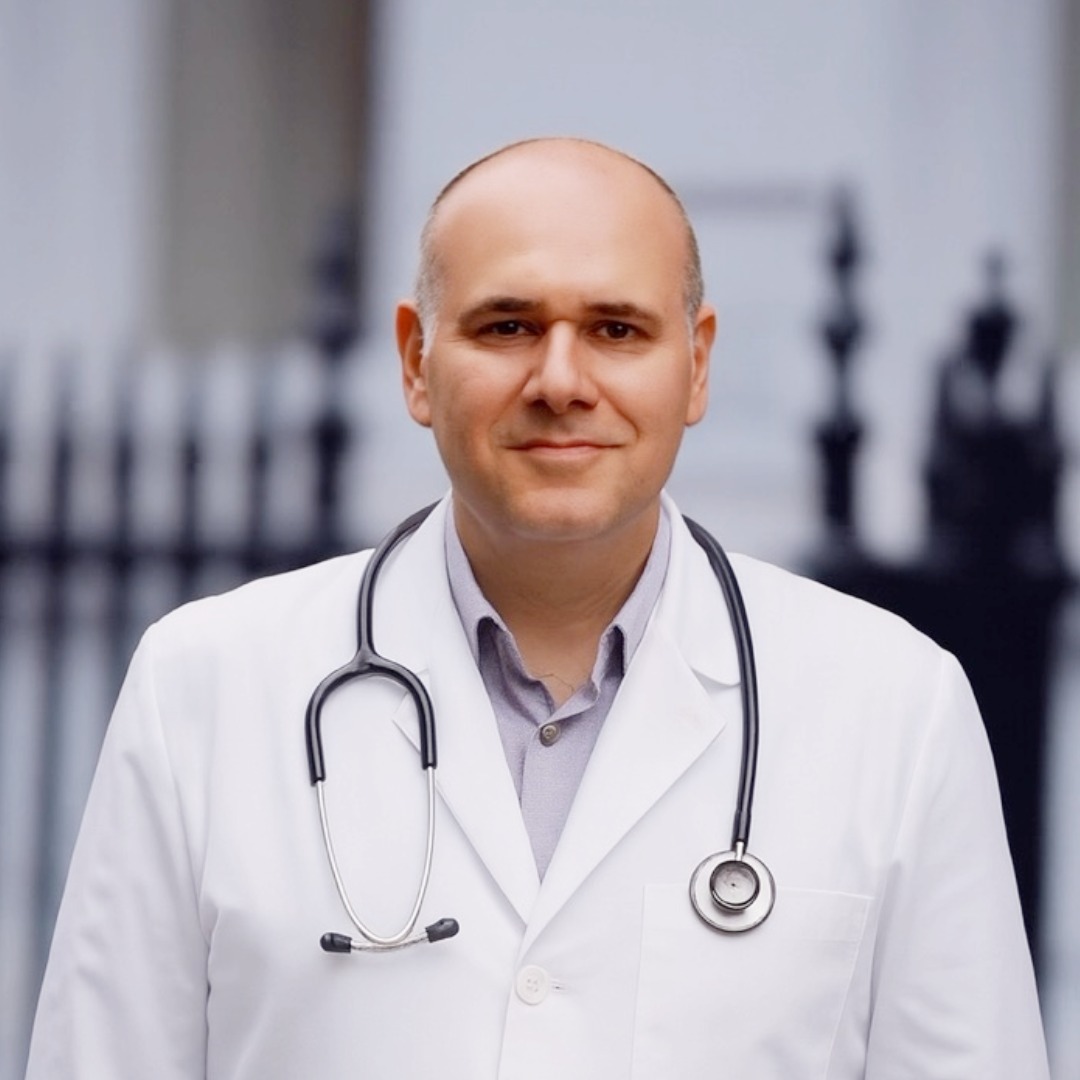
MD · MRCGP · DRCOG · Overall clinical governance responsibility
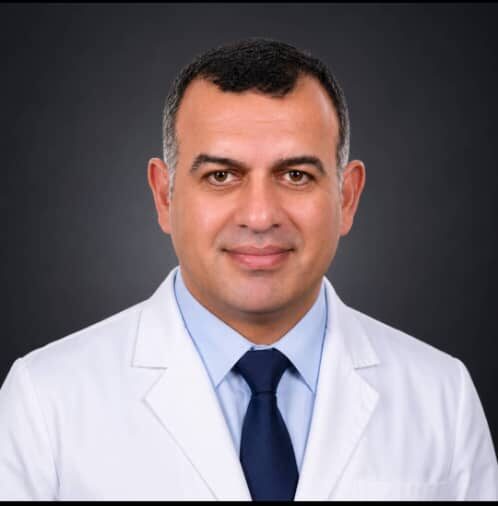
GMC · RCR · General and MSK ultrasound · 18+ years’ consultant radiology experience

BMUS · SVT · Diagnostic ultrasound consultant and senior ultrasound trainer

Medical Writer · Co-Founder of London Private Ultrasound

Co-founder · CQC Champion ensuring compliance with Care Quality Commission standards
Clinical review: Dr Babak Soleimanpour, Medical Director. Content editorial: Mr Pedram Aghaei, Medical Writer & Co-Founder. Last reviewed 04/08/2026 · next review due 04/02/2027.
Open the secure London Private Ultrasound booking page in a separate tab, then choose your clinic, date and appointment time. If you would also like semen analysis or fertility blood tests, call the clinic so the services can be coordinated.
The booking system opens separately, so this information page remains available while you complete your appointment.
Urgent symptoms: sudden severe testicular pain, especially with swelling, nausea or vomiting, requires urgent medical assessment and should not wait for a routine private scan.
Medical disclaimer. This page is for general information and does not replace individual medical advice. A testicular ultrasound is a diagnostic imaging test and cannot on its own confirm or exclude testicular cancer. Suspicious findings may require urgent urology assessment and additional investigations.
The questions our team is asked most often at the front desk and on the phone.
A private testicular and scrotal ultrasound at London Private Ultrasound costs £219. That covers the scan of both testicles, the epididymides, the spermatic cord and the scrotal sac, colour Doppler blood flow, the consultation, findings explained on the day and a same-day written report with images.
Across London a private testicular ultrasound generally ranges from around £150 to £270, depending on who performs and reports the scan and whether images and a written report are included.
It is a routine, discreet medical examination and our team performs scrotal scans every week. You are in a private room, only the area being scanned is exposed and a towel covers everything else.
Most men find it far less awkward than they expected and are reassured by how matter-of-fact and professional it is. If you would prefer a particular clinician or want to discuss anything beforehand, tell us when you book.
A scrotal ultrasound is a safe, painless scan that uses high-frequency sound waves to look inside the scrotum. It examines both testicles, the epididymides, the spermatic cord and the fluid space around the testicle, with colour Doppler used to check blood flow.
It is the same examination as a testicular ultrasound — “scrotal” simply refers to the whole area being scanned rather than the testicles alone.
Yes. Scrotal ultrasound, testicular ultrasound, testes ultrasound and testicular sonogram are all names for the same scan. It assesses the testicles and every structure inside the scrotum, so whichever term your GP or urologist has used, this is the scan they mean.
The size, shape, texture and blood flow of both testicles, plus the epididymides, the spermatic cord and the scrotal sac. It can identify a lump or mass and whether it is inside or outside the testicle, a varicocele, a hydrocele, an epididymal cyst or spermatocele, inflammation such as epididymitis or orchitis, trauma, an undescended testicle, microlithiasis and features that raise or lower the suspicion of testicular cancer.
Ultrasound is the first-line imaging test for a testicular lump and is highly sensitive at detecting tumours, including small masses. It cannot on its own confirm cancer or replace specialist management, but it distinguishes many benign from suspicious appearances.
Where a finding is suspicious, your report recommends an urgent two-week-wait urology referral. The great majority of men who come in worried about a lump leave reassured.
Colour Doppler ultrasound can help assess blood flow when torsion is suspected. However, sudden severe testicular pain, especially with swelling, nausea, vomiting or a high-riding testicle, is a surgical emergency. Do not wait for a routine private scan — attend A&E or urgent care immediately, or call 999.
Yes. A scrotal ultrasound with Doppler assesses enlarged veins in the spermatic cord consistent with a varicocele, which can cause aching, heaviness or affect fertility. It also shows fluid collecting around the testicle in a hydrocele, including whether it is simple or complex.
No. The scan is non-invasive and usually painless. Warm gel is applied and a small probe is moved gently over the scrotum. You may feel mild pressure. If any area is already tender, tell your clinician and they will adapt. No radiation is used.
The scan itself usually takes about 10 to 15 minutes. Allow around 30 minutes for the full appointment, which includes your history, the scan and a discussion of the findings.
No special preparation is needed. There is no fasting and no full bladder required. Eat, drink and take your usual medication as normal and wear comfortable, loose clothing. Bring any previous scan reports, urology letters or blood tests if you have them.
No. You can self-refer and book directly online, by phone on 020 7101 3377 or by WhatsApp. If you already have a GP or urology referral or previous reports, bring them, as they give useful clinical context.
Findings are explained during the appointment where appropriate, and a written report with images is provided the same day. The report is suitable to share with your GP, urologist or insurer, with a referral letter included at no extra charge if a finding needs onward investigation.
An NHS scrotal ultrasound is free but usually needs a GP referral first and can involve a wait for both the scan and the report. A private testicular ultrasound needs no referral, is usually available the same or next day, and gives you a written report the same day.
If a private scan finds something that needs NHS management, we produce a referral letter the same day. Because it contains confirmed imaging findings, that referral is usually acted on faster.
London Private Ultrasound has two clinics. Central London is at 27 Welbeck Street, W1G 8EN, in the Harley Street Medical District, a short walk from Bond Street, Oxford Circus and Marylebone. St Albans is at 54–56 Victoria Street, AL1 3HZ.
Both offer testicular and scrotal ultrasound seven days a week, 9am to 7pm, with same-day appointments often available.
Yes. A testicular ultrasound is often combined with semen analysis, hormone blood tests, infection or STI screening, or a prostate and bladder or abdominal ultrasound as part of a wider men’s health or fertility assessment. Ask when you book and we can arrange the right combination for one visit.
Yes. The appointment, the discussion and your report are handled with strict medical confidentiality and a respectful, discreet approach throughout.
This page is written for adult patients. For anyone under 18, please call the clinic first on 020 7101 3377 so suitability and the right safeguarding arrangements can be confirmed before booking.
Your clinician explains the finding and advises on next steps, which may include GP follow-up, a urology referral, urgent assessment, blood tests or an interval ultrasound, depending on the situation. Any referral letter you need is included at no extra charge.