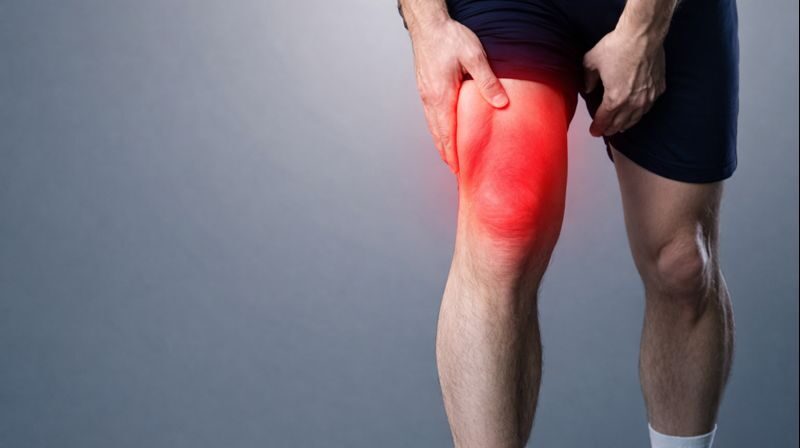
Thigh Ultrasound Scan

Private Thigh Ultrasound Scan in London

At London Private Ultrasound, we offer advanced thigh ultrasound scans designed to provide precise, real-time insight into the health of the thigh muscle and surrounding soft tissues. If you're experiencing pain, swelling, reduced mobility, or are recovering from an injury, our consultant-led service delivers clear answers quickly, comfortably, and with clinical precision.


Thigh Ultrasound Scan
Thigh Ultrasound Scan | Private Ultrasound Scans and Health Checks | London Private Ultrasound

Book Online using the calendar below

If you are unable to make a payment online, please call our office to book your appointment tel: 020 7101 3377. We’re here to assist you 7 days a week, 9am - 7pm.
*Please select location & time to proceed with the booking*

About our Thigh Ultrasound Scan

London Private Ultrasound offers thigh ultrasound scans for male and female patients aged 18 and over. Thigh pain, swelling, or weakness is a common reason for imaging and is often linked to muscle strain, tendon injury, trauma, or overuse.

A thigh ultrasound is a fast, dynamic, and non-invasive diagnostic scan used to assess the muscles, tendons, and soft tissues of the upper leg in real time.

During the scan, our experienced sonographer will evaluate key structures including the quadriceps muscle group, hamstring muscles, associated tendons, and surrounding soft tissues. Where clinically relevant, the scan can also assess fluid collections or vascular structures.

In this scan our sonographer  will assess the main musculoskeletal structures in your knee, such as bones, cartilages, ligaments, and tendons.


What Can a Thigh Ultrasound Detect?

    • Muscle tears or strains (quadriceps or hamstrings)

    • Partial or complete muscle ruptures

    • Tendon injuries or tendinopathy

    • Muscle haematomas or fluid collections

    • Soft tissue swelling or inflammation

    • Post-traumatic scarring or complications

    • Overuse injuries related to sport or repetitive activity

    • Soft tissue masses or cysts


Using real-time high-resolution imaging, we can evaluate these conditions dynamically, observing joint movement and pinpointing exact sources of discomfort.


Ideal for Patients With:

    • Sudden or persistent thigh pain

    • Swelling, bruising, or tenderness

    • Sports injuries from running, football, cycling, or gym training

    • Suspected muscle tear or tendon damage

    • Reduced strength, flexibility, or pain with movement


What to Expect During the Scan

    • Appointment time: 20–30 minutes

    • Procedure: You will lie comfortably while gel is applied and the thigh is assessed in real time

    • Safety: No radiation, completely non-invasive

    • Reporting: Consultant-reviewed report typically within 24 hours


Why Choose London Private Ultrasound?

    • Trusted by leading physiotherapists, GPs, and consultants

    • Same-day and weekend appointments available

    • Central London location, minutes from Bond Street

    • Advanced ultrasound imaging with consultant-led reporting

    • No referral required


General Knowledge: Why Use Ultrasound for the Thigh?

Ultrasound is an excellent first-line imaging modality for thigh injuries. Unlike X-rays, which only visualise bone, ultrasound provides detailed views of muscles, tendons, and soft tissues, all in real time.

It is particularly valuable for dynamic assessment, allowing the sonographer to observe muscles and tendons during movement or contraction. Ultrasound is radiation-free, safe for repeat examinations, and ideal for monitoring recovery or guiding rehabilitation alongside physiotherapy. It is especially effective in detecting muscle tears, haematomas, and soft tissue injuries that may not be visible on other imaging modalities.

Have Thigh Pain? Get Treatment Today

Take your results to our consultant-led joint clinic for expert review of your scan and symptoms together. See a specialist who focuses on joints, movement and pain and leave with a clear plan for treatment and recovery.

What is a thigh ultrasound scan?

A thigh ultrasound scan is a diagnostic imaging test that uses high-frequency sound waves to create live images of the soft tissues in the thigh, including muscles, tendons and connective tissues to assess pain, injury or abnormal structure.

Why would I need a thigh ultrasound scan?

It’s commonly recommended when you have persistent thigh pain, swelling, stiffness, sudden injury, trouble walking or weakness in the upper leg. The scan helps identify muscle strains, tears, tendon problems, fluid collections, cysts or other soft tissue issues.

Do I need a GP referral?

No. You can book a thigh ultrasound scan directly without a GP referral. Many people choose private scanning for faster access and clearer diagnostic imaging.

Is the scan painful?

No. Ultrasound is non-invasive and usually painless. You may feel gentle pressure from the transducer, particularly over tender areas, but it shouldn’t be uncomfortable.

How does the scan work?

A water-based gel is applied to your skin over the thigh. A handheld probe (transducer) is moved over the area. Sound waves bounce back to create real-time images of muscles, tendons and soft tissues, which the sonographer interprets.

What injuries or conditions can it detect?

Thigh ultrasound is useful for diagnosing: • Muscle strains and tears • Tendon injuries or tendinopathy • Soft tissue inflammation or fluid build-up • Cysts or benign lumps • Post-injury changes and ongoing pain sources

How long does the appointment take?

A typical appointment lasts around 20–30 minutes, including review and discussion of findings.

Do I need to prepare?

No special preparation is needed. Wear comfortable clothing that allows access to the upper leg. Ultrasound does not require fasting or other precautions.

When will I get my results?

You’ll normally get immediate verbal feedback after your scan. A full written report reviewed by a consultant is usually available within 24 hours.

Is ultrasound safe?

Yes. It uses sound waves, not ionising radiation, so it’s considered safe and suitable for repeat imaging if needed.

Can ultrasound assess real-time movement?

Yes. One of the key advantages of ultrasound is dynamic imaging — the clinician can observe structures as they move, helping to diagnose instability, impingement or abnormal muscle function.

Can this scan guide treatment and rehab?

Yes. Findings from the scan can help clinicians plan targeted physiotherapy, monitor healing over time and inform decisions about referral to specialists if needed.
Scroll to Top