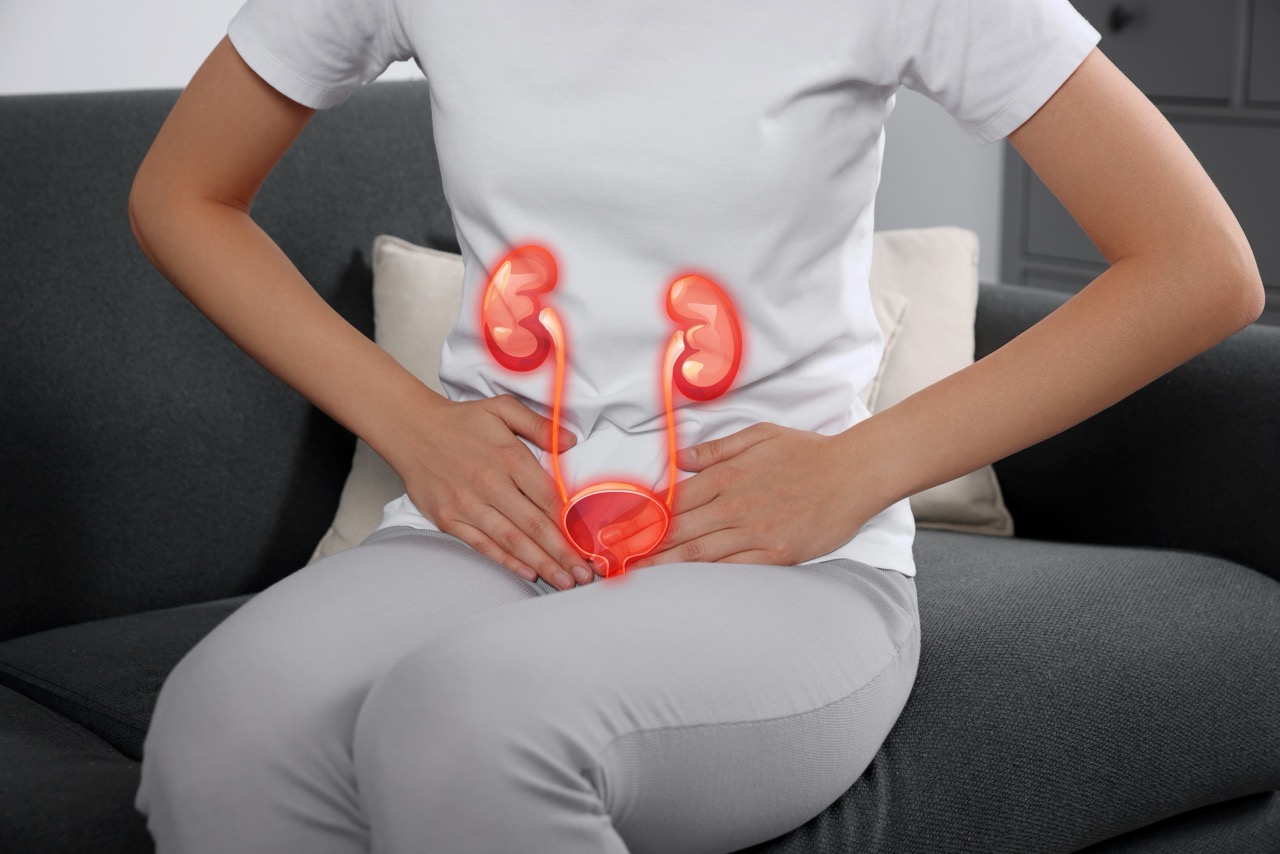
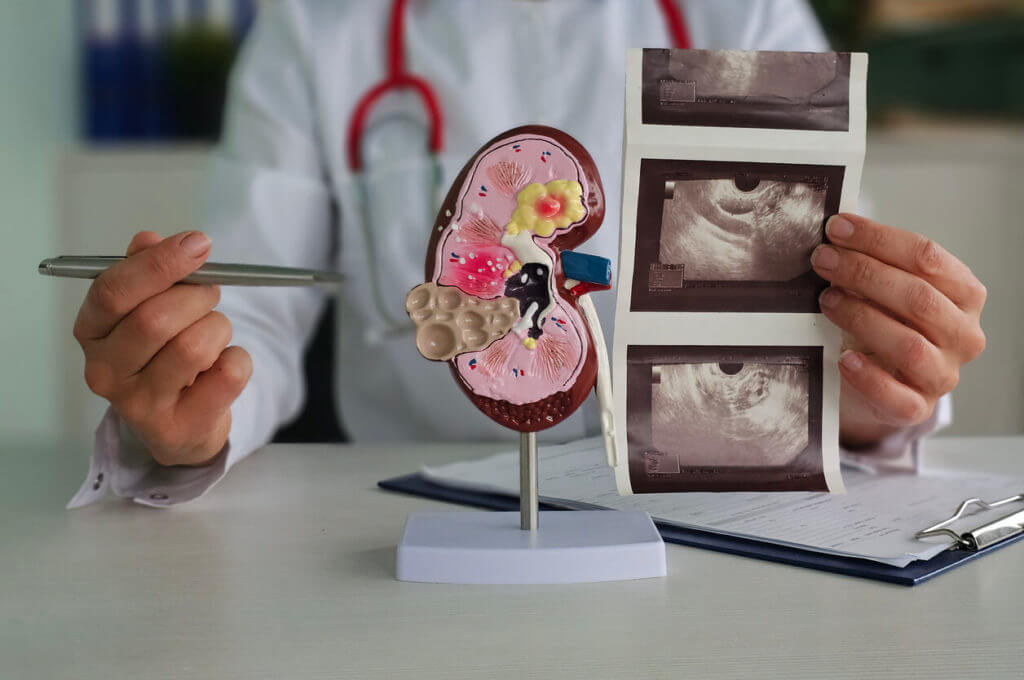
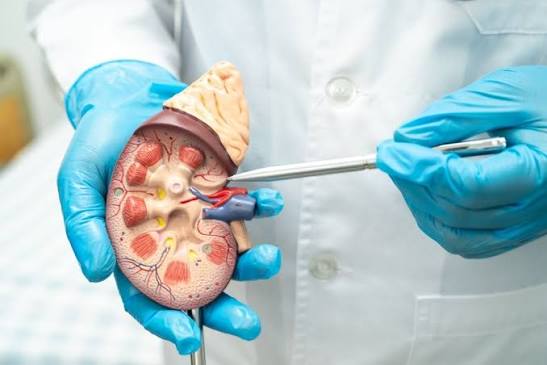
Right and left kidney
Kidney size, shape, cortex, collecting system, cysts, stones, scarring, hydronephrosis and visible masses.
Renal ultrasound · urinary tract imaging · same-day clarity
A premium, coordinated urinary-system ultrasound for patients with kidney pain, recurrent urine infections, urinary symptoms, blood in the urine, suspected stones or follow-up of previous kidney, bladder or prostate findings.
Structured like the Executive 360° approach: the value is not just taking images, but reviewing the whole urinary pathway in a logical order.
Kidney size, shape, cortex, collecting system, cysts, stones, scarring, hydronephrosis and visible masses.
Ureters are assessed where visible. Indirect signs such as kidney swelling can suggest possible obstruction.
Bladder volume, wall appearance, stones, debris, masses, diverticula and post-void residual where indicated.
For men, the urinary tract scan can include prostate size and bladder-emptying assessment using a transabdominal approach.
This scan is suitable when you need rapid, practical information about kidney, bladder or urinary tract symptoms.
| Reason or symptom | What the scan helps assess |
|---|---|
| Kidney or lower-back/flank pain | Kidney stones, obstruction, hydronephrosis, cysts or other structural causes. |
| Recurrent urinary tract infections | Bladder emptying, stones, obstruction, kidney swelling or structural urinary tract changes. |
| Frequent urination or nocturia | Bladder volume, bladder emptying, post-void residual and prostate size in men. |
| Difficulty passing urine | Bladder retention, residual volume, prostate enlargement pathway in men and obstruction signs. |
| Blood in the urine | Stones, bladder abnormality, kidney cyst/mass or other visible urinary tract changes requiring review. |
| Family history or follow-up | Monitoring known cysts, stones, hydronephrosis, renal size, previous surgery or previous scan findings. |
Seek urgent medical care rather than waiting for a routine scan if you have severe uncontrolled pain, fever with kidney pain, suspected sepsis, inability to pass urine, heavy visible blood in urine with clots, or you feel acutely unwell.
Visible stones and signs of blockage such as hydronephrosis can be reported and measured.
Swelling of the kidney collecting system can suggest urine flow obstruction or reflux requiring further review.
Simple and complex cystic findings can be described, measured and followed up if needed.
Ultrasound can identify suspicious visible lesions, but further tests are needed for definitive diagnosis.
A post-void residual measurement can show whether the bladder is emptying effectively.
In men, prostate size and its effect on bladder emptying can be assessed transabdominally.
The scan is designed for clarity: clinical context first, structured ultrasound, verbal explanation, then a written report you can share.
Your sonographer checks your symptoms, previous scan findings, kidney history, urinary symptoms, medications and whether a post-void bladder measurement is needed.
Water-based gel is applied to your abdomen, sides and lower abdomen. The sonographer scans both kidneys, the bladder and relevant urinary tract structures. Men may also have prostate size assessed through the lower abdomen.
You may be asked to empty your bladder and return for a quick second measurement to assess how well the bladder empties.
Your findings are explained verbally, and your written report with relevant images and measurements is sent after the appointment, usually the same day or within 24 hours.
Please drink around one litre of water one hour before your appointment and try not to empty your bladder before arrival.
No fasting is usually required for a kidney, bladder and urinary tract ultrasound. Take your medication as usual unless advised otherwise.
Bring urine results, blood tests, previous ultrasound/CT/MRI reports or GP/urology letters if you have them.
A focused urinary-system ultrasound with clear reporting and optional upgrade routes for patients who need a broader kidney health picture.
Includes the scan, verbal explanation and written report.
For a broader kidney health review, you can upgrade to a package that combines kidney/urinary tract ultrasound with GP review and blood testing.
Ultrasound is excellent for many urinary-system questions, but it is not the only test you may need.
Your scan is performed by an experienced ultrasound clinician within a CQC-regulated service, with medical governance led by the Medical Director.

Medical Director · GP
MD · MRCGP · DRCOG · GMC-registered · Clinical governance and GP review pathway.

Medical Doctor · Ultrasound Specialist Interest
GMC-registered doctor with diagnostic ultrasound service involvement.

Consultant Sonographer · BMUS-registered
Experienced ultrasound clinician. Female clinician available on request where possible.

Co-Founder · Medical Writer · Commercial Director
Non-clinical at LPU · Content editorial and non-clinical page governance.
Clinical review: Dr Babak Soleimanpour. Content editorial: Mr Pedram Aghaei. Reviewed: 2026-06-19 · Next review due: 2026-12-19.
It is a non-invasive ultrasound scan of the urinary system. At London Private Ultrasound it assesses the kidneys, bladder and ureters; for men, the prostate can also be assessed as part of the pathway.
The private kidney, bladder and urinary tract ultrasound scan is £219. The fee includes the ultrasound assessment, verbal explanation on the day and a written report.
No. You can self-refer and book directly. If you already have a GP, urology or nephrology letter, please bring it with you so the sonographer can understand the clinical context.
Common reasons include kidney or lower-back pain, recurrent urinary tract infections, difficulty passing urine, frequent urination, blood in the urine, suspected stones and follow-up of known kidney, bladder or urinary tract findings.
Ultrasound can often identify kidney stones and signs of obstruction such as hydronephrosis. Very small stones or stones in parts of the ureter may be harder to see, so further imaging may be recommended if symptoms persist.
The scan can assess the bladder wall, bladder contents, bladder volume and post-void residual where indicated. It may help identify retention, stones, diverticula, masses or signs requiring further review.
For men, the urinary tract pathway can include transabdominal prostate and bladder assessment, including prostate size and post-void residual volume where clinically relevant.
The ureters are assessed where visible. Ultrasound can identify indirect signs of ureteric obstruction such as hydronephrosis, but some ureteric stones may not be directly visible.
You can eat and take your usual medication. Please drink around one litre of water one hour before the appointment and attend with a comfortably full bladder, unless advised otherwise.
Please arrive with a full bladder. The sonographer may then ask you to empty your bladder and return for a post-void residual measurement.
No. The scan is painless and uses a handheld ultrasound probe moved over the abdomen, sides and lower abdomen with water-based gel.
The scan is usually completed in about 20 minutes, although appointment length can vary depending on symptoms, anatomy and whether post-void images are needed.
Findings are explained verbally at your appointment. A written report with relevant images and measurements is sent after the scan, usually the same day or within 24 hours.
The sonographer will explain the finding, prepare a written report and advise whether you should see your GP, urologist, nephrologist, private GP or emergency service depending on the result and symptoms.
Ultrasound may identify suspicious masses or bladder abnormalities, but it is not a definitive cancer test. If concerning features are seen, further tests or specialist referral may be recommended.
Yes. Ultrasound uses sound waves rather than ionising radiation and is generally considered safe when clinically appropriate.
Yes. Kidney health often benefits from combining ultrasound with kidney function blood tests and urine testing. The team can advise on suitable tests or kidney health packages.
Same-day and urgent appointments are often available, including evenings and weekends depending on clinic capacity. If you have severe pain, fever, sepsis symptoms or inability to pass urine, seek urgent medical care.
London Private Ultrasound offers appointments at 27 Welbeck Street in Central London and at 54–56 Victoria Street in St Albans.
Clinical governance is overseen by Dr Babak Soleimanpour, Medical Director and GMC-registered GP. Content editorial and non-clinical page governance are provided by Mr Pedram Aghaei, Co-Founder, Medical Writer, Commercial Director and non-clinical at LPU.
Book at our Central London clinic in the Harley Street medical district or at our St Albans clinic.
Same-day appointments often available. No GP referral required. £219 for the kidney, bladder and urinary tract ultrasound scan, with verbal explanation and written report.