
Understanding Cholesterol: Its Role in Cardiovascular Health
Cholesterol often gets a bad reputation, but it’s not all negative. In fact, cholesterol plays an essential role in your body, contributing to cell structure, hormone production, and overall health. The problem arises when cholesterol levels are out of balance, increasing the risk of cardiovascular diseases like heart attack and stroke.
In this guide, we’ll break down what cholesterol is, its connection to heart health, the difference between “good” and “bad” cholesterol, and how you can manage your cholesterol levels to protect your cardiovascular system.
What Is Cholesterol and Why Does It Matter?
Cholesterol is a fatty substance naturally produced by your liver and also obtained from certain foods. It’s essential for:
- Building cell membranes.
- Producing hormones like estrogen, testosterone, and cortisol.
- Helping the body make vitamin D.
- Assisting in bile production for digesting fats.
While cholesterol is vital, too much of it can lead to health problems, particularly within your cardiovascular system.
Cholesterol and Heart Health: The Connection
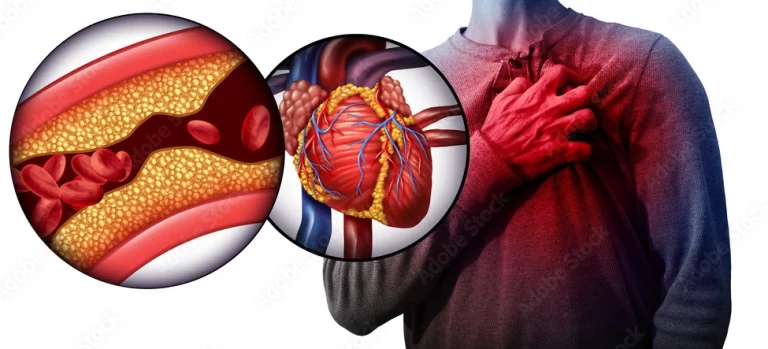
When there’s excess cholesterol in your bloodstream, it can combine with other substances to form plaque. This plaque sticks to the walls of your arteries, causing them to narrow and stiffen—a condition known as atherosclerosis.
Why it’s a problem:
- Narrowed arteries reduce blood flow to the heart and brain.
- This can lead to coronary artery disease, heart attacks, or strokes.
Keeping cholesterol levels within a healthy range is crucial for preventing these risks and maintaining optimal heart health.
Good vs. Bad Cholesterol: What’s the Difference?
Cholesterol travels through the bloodstream in two main types of lipoproteins:
1. Low-Density Lipoprotein (LDL): “Bad” Cholesterol
- LDL carries cholesterol to your arteries.
- Excess LDL can lead to plaque buildup, increasing your risk of heart disease.
Think of LDL as the type of cholesterol you want to keep in check.
2. High-Density Lipoprotein (HDL): “Good” Cholesterol
- HDL helps remove excess cholesterol from your arteries, carrying it back to the liver for disposal.
- Higher levels of HDL are linked to a lower risk of cardiovascular disease.
HDL acts like a cleanup crew for your arteries, so boosting it can benefit your heart health.
What Are Healthy Cholesterol Levels?
Your doctor can measure your cholesterol levels with a blood test. The results typically include:
- Total cholesterol: A combined measure of LDL, HDL, and triglycerides.
- LDL cholesterol: Ideally, less than 100 mg/dL (but lower is better).
- HDL cholesterol: Above 60 mg/dL is considered protective, while below 40 mg/dL may increase risk.
- Triglycerides: Less than 150 mg/dL is ideal, as high levels can also contribute to heart disease.
Your overall cardiovascular risk, age, and other factors may influence these target ranges.
Managing Cholesterol Levels Effectively
The good news is that managing cholesterol is within your control. Here’s how:
1. Eat a Heart-Healthy Diet
- Focus on healthy fats: Include unsaturated fats from sources like olive oil, avocados, nuts, and fatty fish.
- Limit saturated fats: Found in red meat, butter, and full-fat dairy, these can increase LDL cholesterol.
- Cut trans fats: These are often found in processed foods and baked goods.
- Increase fiber intake: Soluble fiber from oats, beans, and fruits helps lower LDL cholesterol.
- Choose whole grains: Swap refined carbs for whole-grain options like quinoa, brown rice, and whole-wheat bread.
2. Stay Active
Regular exercise can increase HDL (good cholesterol) and lower LDL (bad cholesterol) levels. Aim for at least 30 minutes of moderate-intensity activity, like brisk walking, cycling, or swimming, on most days of the week.
3. Maintain a Healthy Weight
Excess weight, especially around your midsection, can raise LDL cholesterol and triglycerides. Even losing a small percentage of body weight can positively impact your cholesterol levels.
4. Quit Smoking
Smoking lowers HDL cholesterol and damages blood vessels, accelerating plaque buildup. Quitting can improve your heart health almost immediately.
5. Limit Alcohol Consumption
While moderate alcohol intake can boost HDL cholesterol, excessive drinking can increase triglycerides and lead to other health problems. Stick to recommended guidelines: no more than one drink per day for women and two for men.
6. Consider Medication if Needed
For some people, lifestyle changes alone may not be enough to manage cholesterol levels. In these cases, doctors may prescribe statins or other medications to help lower LDL cholesterol and reduce cardiovascular risk.
Why Managing Cholesterol is a Lifelong Commitment
Cholesterol and cardiovascular health are deeply connected, and managing cholesterol levels is key to protecting your heart and overall health. By adopting heart-healthy habits and staying informed about your cholesterol numbers, you can reduce your risk of heart disease, stroke, and other complications.
Final Thoughts
Understanding cholesterol is the first step toward better heart health. Whether it’s adjusting your diet, staying active, or working with your doctor on a treatment plan, there are many ways to take control of your cholesterol and safeguard your cardiovascular health for years to come.
Remember: Small, consistent changes can make a big difference. Start today and take a proactive approach to your health!
To book online select the date and time that suits you best – alternatively, please contact us with any questions via the chat, call or email links provided.
Telephone: 020 7101 3377