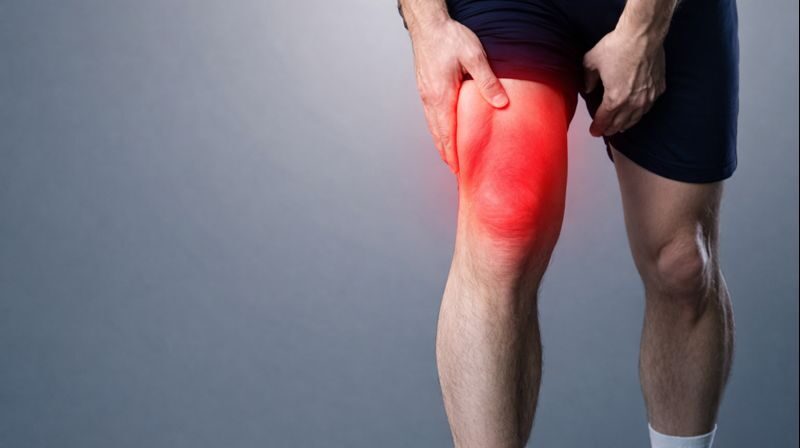
Harley Street Medical District · London & St Albans

Private Thigh Ultrasound Scan

A private thigh ultrasound scan at London Private Ultrasound costs £199 for one leg and £299 for both legs — all fees inclusive. No GP referral required. Same-day results including BAMIC injury grade and return-to-sport guidance. Covers the quadriceps (rectus femoris most commonly injured), adductor group, and all thigh soft tissues.

Quick, safe, and pain-free private Thigh Ultrasound to assess the Muscles, Tendons, Pain & Range of Movement. Scans performed by specialist MSK clinicians — gain peace of mind with Same-Day Results & Tailored Advice.

  • Same-Day Results
  • No GP Referral
  • CQC Registered
  • One Leg £199
  • Both Legs £299
  • 7 Days a Week
Thigh Ultrasound

Your Ultrasound Checks For

A comprehensive assessment of all anterior, medial, and lateral thigh muscles and their tendons — from the quadriceps origin at the pelvis to the distal quadriceps insertion at the patella, and the adductor origins at the pubic symphysis.

  • Rectus femoris — direct head (AIIS origin)
  • Rectus femoris — indirect head (superior acetabular rim)
  • Rectus femoris — central aponeurosis & mid-belly
  • Vastus lateralis muscle & tendon
  • Vastus medialis muscle & tendon
  • Vastus intermedius muscle
  • Distal quadriceps — patellar tendon origin
  • Adductor longus — pubic symphysis origin
  • Adductor brevis & magnus
  • Tensor fasciae latae (TFL) & IT band
  • Haematoma — size & stage
  • Myositis ossificans — zonal calcification
  • Soft tissue masses within thigh
  • Injury grading & return-to-sport timelines

All scans performed by an HCPC-registered MSK consultant clinician. Available at Central London and St Albans. Serial follow-up scans available to monitor haematoma resolution.

Book Your Thigh Scan
£199
One leg, all inclusive
Both legs: £299
Common Conditions Assessed

What causes thigh pain — and what ultrasound finds

Thigh pain is among the most common presentations in sport — from acute quadriceps strains in sprinters to adductor groin injuries in footballers and kicking athletes. Ultrasound grades the injury, quantifies the haematoma, and provides the return-to-sport information your physiotherapist needs.

Quadriceps muscle injuries

  • Rectus femoris strain — the most common quadriceps injury The rectus femoris is the only quadriceps muscle that crosses both the hip and knee — making it uniquely vulnerable during the eccentric loading of kicking, sprinting, jumping, and rapid change of direction. It accounts for the majority of quadriceps strains in football and athletics. Injuries occur at three sites: the proximal origin at the anterior inferior iliac spine (AIIS), the central aponeurosis within the mid-belly, and the musculotendinous junction. Involvement of the central aponeurosis significantly extends recovery and is the most important prognostic finding on ultrasound.
  • Rectus femoris proximal origin tear — direct & indirect heads The rectus femoris has two proximal heads: the direct head arising from the AIIS, and the indirect (reflected) head from the superior rim of the acetabulum. Avulsion or near-avulsion of the direct head at the AIIS is common in young football players and causes acute anterior hip and groin pain. Ultrasound assesses the degree of tendon retraction — guiding the critical decision between conservative management and surgical reattachment.
  • Vastus lateralis, medialis, & intermedius strain Injury to the three vasti muscles — typically occurring in the muscle belly or at the musculotendinous junction near the quadriceps tendon. Vastus intermedius is the deepest of the four quad muscles and the hardest to palpate clinically — making ultrasound essential for identifying deep haematomas within the intermedius that are often underestimated without imaging. Haematoma within the vastus intermedius has the highest risk of myositis ossificans.
  • Quadriceps contusion (“dead leg”) & myositis ossificans A direct blow to the anterior thigh — common in contact sports — causes haematoma within the quadriceps without the tearing mechanism of a strain. The haematoma volume on ultrasound is the key prognostic finding: small intramuscular haematomas resolve within 2–4 weeks; large haematomas are at high risk of calcifying into myositis ossificans if managed incorrectly. Early ultrasound within 72 hours guides aspiration decisions and prevents progression to ossification.

Adductor & medial thigh conditions

  • Adductor longus strain — groin strain Injury to the adductor longus at or near its pubic symphysis origin is the most common cause of acute groin pain in athletes — occurring in football, rugby, hockey, and racket sports during rapid abduction or kicking. Ultrasound assesses the tendon and musculotendinous junction, identifies partial tears, and evaluates the pubic symphysis for osteitis pubis (bony stress reaction with disc irregularity). Bilateral assessment is important as the unaffected side serves as a reference.
  • Adductor tendinopathy Chronic degeneration of the adductor longus tendon at its pubic symphysis origin — causing deep medial groin and inner thigh pain with loading, particularly kicking and running. Ultrasound identifies tendon thickening, hypoechogenicity, and Doppler neovascularity at the insertion. Ultrasound-guided PRP injection to the adductor longus origin is a valuable treatment for chronic adductor tendinopathy that has not responded to physiotherapy.
  • Osteitis pubis Stress reaction or degeneration of the pubic symphysis fibrocartilage disc and adjacent bone — presenting as central pubic and adductor region pain in athletes. Ultrasound identifies cortical irregularity, peritendinous fluid, and reactive changes at the adductor longus and rectus abdominis attachments. Doppler imaging identifies active inflammation at the insertion entheses. Distinguishing adductor muscle injury from osteitis pubis is clinically important as they require different management.
  • Soft tissue masses — thigh lipoma & haematoma Persistent lumps in the thigh following trauma require urgent assessment to distinguish organising haematoma from soft tissue sarcoma. The thigh is the most common location for soft tissue sarcomas in adults. Ultrasound characterises the mass by its internal architecture, Doppler vascularity, depth (subcutaneous vs intramuscular), and peripheral calcification pattern. Any firm, deep, rapidly growing, or painful thigh mass should be assessed urgently.
  • IT band syndrome & TFL Tensor fasciae latae (TFL) and the iliotibial (IT) band run down the lateral thigh — a common source of lateral thigh pain in runners and cyclists. Ultrasound assesses TFL for myopathy and the IT band for thickening and peritendinous fluid at the lateral femoral condyle friction site, guiding the decision between physiotherapy, injection, and investigation for underlying hip pathology.

Why the Rectus Femoris Is the Most Vulnerable Quadriceps Muscle

Of the four quadriceps muscles, the rectus femoris is the only one that crosses two joints — the hip and the knee. This makes it uniquely vulnerable to eccentric overload during kicking, sprinting, and jumping. Its central aponeurosis — a pennate internal tendon structure running down the centre of the muscle belly — is the most clinically significant anatomical feature on ultrasound and the single finding that determines whether a quad strain will resolve in two weeks or two months.

Aponeurosis intact — shorter recovery

Fibre disruption peripheral to the central aponeurosis. Haematoma accumulates around the aponeurosis but the tendinous core is intact. Typical return to sport: 2–4 weeks depending on grade.

Aponeurosis involved — extended recovery

Disruption of the central aponeurosis itself — graded as BAMIC type b or c. Significantly extends recovery to 6–12 weeks. Serial ultrasound follow-up essential before return to training.

Direct head avulsion — AIIS

Avulsion of the direct head at the anterior inferior iliac spine — common in adolescent footballers. Retraction gap measured on ultrasound determines surgical vs conservative management.

Intramuscular haematoma risk

Large intramuscular haematomas — particularly in the vastus intermedius — are at highest risk of myositis ossificans. Volume >20ml on ultrasound identifies cases where aspiration is beneficial.

Every Appointment

What’s Included

A complete thigh assessment with injury grading and return-to-sport guidance — same-day results, written report, and specialist advice, all in one inclusive fee.

01

One-to-One Specialist Appointment

Feel confident in the care you receive. Your thigh scan is performed and personally interpreted by an HCPC-registered MSK consultant clinician — directly correlating imaging with your mechanism of injury, sport, and functional demands to give you a clear diagnosis and plan.

02

No Referral Required

You do not require a referral before booking an appointment — giving you back complete control of your health. Access expert thigh injury assessment the same day or same week, without waiting for a GP referral and the NHS pathway that typically does not include imaging.

03

Same-Day Results

We aim to provide results to you on the day of your visit. Your specialist explains immediately which muscle is injured, whether the central aponeurosis is involved, the BAMIC injury grade, haematoma size, and your realistic return-to-sport timeline.

04

Full Digital Report

A complete digital report emailed to you the same day or within 24 hours — formatted for sharing with your physiotherapist, sports medicine specialist, team doctor, or NHS GP.

05

High-Res Digital Images

High-resolution images of your scan will be sent for you to share with a healthcare specialist of your choice — accessible from any internet-connected device, NHS or private, instantly. Essential for serial comparison at follow-up scans to confirm haematoma resolution and the timing of return to full training.

06

Injury Grading & Return-to-Sport Plan

For acute thigh muscle tears, your specialist grades the injury using the BAMIC framework and provides immediate guidance on loading progression and return-to-sport timing. Serial follow-up scans are available at the same pricing to monitor healing objectively.

Common Questions

Frequently Asked Questions

Everything you need to know about your private thigh ultrasound at London Private Ultrasound.

What is a Thigh Ultrasound?

A thigh ultrasound scan produces real-time images of the muscles and soft tissues of the anterior, medial, and lateral thigh. The thigh contains four major muscle groups:

  • Quadriceps — rectus femoris (most commonly injured), vastus lateralis, vastus medialis, and vastus intermedius (deepest)
  • Adductor group — adductor longus (most commonly injured, causing groin strain), adductor brevis, and adductor magnus
  • Tensor fasciae latae and IT band — lateral thigh and runner’s knee
  • Hamstrings — the posterior thigh; assessed on the dedicated hamstring scan page

A thigh ultrasound is used to:

  • Grade quadriceps muscle tears using the BAMIC framework — particularly assessing the central aponeurosis of the rectus femoris which determines recovery timeline
  • Assess the adductor longus at the pubic symphysis for groin strain and adductor tendinopathy
  • Quantify thigh haematoma and assess myositis ossificans risk
  • Assess rectus femoris proximal origin tears at the AIIS in kicking sports
  • Identify and characterise thigh soft tissue masses (distinguishing organising haematoma from sarcoma)
How much does a private thigh ultrasound cost in London?

At London Private Ultrasound, a private thigh ultrasound costs:

  • One leg: £199 — all fees inclusive with no hidden charges
  • Both legs: £299 — saving £99 compared to two separate single-leg scans

Both options include same-day verbal results including BAMIC injury grade, return-to-sport guidance, and a full written report within 24 hours. We accept all major credit and debit cards, cash, and Klarna.

Which is the most commonly injured quadriceps muscle — and why?

The rectus femoris is by far the most commonly injured of the four quadriceps muscles. There are two reasons:

  • Biarticular anatomy: It is the only quadriceps muscle that crosses two joints — the hip (origin at the AIIS) and the knee (insertion via the patellar tendon). This means it is stretched maximally during activities that simultaneously extend the knee and flex the hip — such as sprinting, kicking, and jumping. The other three vasti only cross the knee
  • Central aponeurosis: The rectus femoris has a large internal pennate tendon — the central aponeurosis — running down the centre of the muscle belly. Injuries involving this structure have significantly longer recovery timelines than injuries peripheral to it. Ultrasound is the essential tool for assessing whether the aponeurosis is involved

Patel A et al. British Athletics Muscle Injury Classification: a reliability study. Clin Radiol 2015;70(12):1414–20.

What is a groin strain and how does ultrasound diagnose it?

Groin strain most commonly refers to injury of the adductor longus tendon or muscle at or near its origin on the pubic symphysis — the most common cause of acute groin pain in athletes, accounting for up to 23% of injuries in elite football.

Ultrasound findings in adductor longus injury include:

  • Partial tendon tear: Focal hypoechogenicity and fibre disruption at the pubic symphysis origin
  • Peritendinous fluid: Fluid within the tendon sheath at the origin
  • Muscle belly tear: More distal haematoma with fibre disruption in the muscle belly
  • Osteitis pubis: Cortical irregularity and reactive changes at the pubic symphysis joint — often co-existing with adductor longus injury

Bilateral assessment is valuable — comparing the injured adductor longus to the unaffected side provides the most informative grading and distinguishes structural tear from tendinopathy.

What is myositis ossificans and how does ultrasound prevent it?

Myositis ossificans (traumatic myositis ossificans) is the pathological calcification of a muscle haematoma — most common in the quadriceps after a direct blow (“dead leg”). Instead of the haematoma resolving normally, it calcifies from the periphery inwards over 4–8 weeks, eventually forming a hard bony mass within the thigh muscle.

Risk factors include: large initial haematoma (particularly in the vastus intermedius), massage or aggressive stretching in the acute phase, heat application, and premature return to contact sport. Ultrasound prevents progression by:

  • Identifying cases at risk: Quantifying haematoma volume — large haematomas (>20ml) have significantly higher myositis ossificans risk
  • Guiding early aspiration: Ultrasound-guided drainage of an intramuscular haematoma within the first 72 hours dramatically reduces calcification risk
  • Confirming the diagnosis: Peripheral calcification appearing before central calcification (the zonal pattern) distinguishes myositis ossificans from soft tissue sarcoma — avoiding unnecessary and harmful biopsy
  • Serial monitoring: Follow-up scans confirm resolution or progressive calcification, guiding management decisions
When should I see a doctor for thigh pain?

See a doctor if you have:

  • Sudden anterior thigh pain during kicking, sprinting, or jumping — possible rectus femoris tear
  • Acute groin pain during a kick or change of direction — possible adductor longus tear
  • A direct blow to the front of the thigh with rapidly swelling haematoma — possible contusion with myositis ossificans risk
  • Anterior hip or groin pain that persists after a kicking injury — possible rectus femoris origin avulsion at the AIIS

Seek urgent assessment if you have:

  • A rapidly growing firm mass in the thigh — requires urgent assessment to exclude soft tissue sarcoma. Call 020 7101 3377
  • Complete loss of knee extension power after a fall onto the knee — possible complete quadriceps tendon rupture requiring emergency assessment
  • A severely swollen, tense, painful thigh after trauma — possible compartment syndrome requiring emergency assessment
What happens during a Thigh Ultrasound?

No preparation is required. Wear shorts or bring a pair — the entire thigh from the groin to above the knee must be accessible. Remove any compression garments or supports before arriving.

You will be asked to lie on your back (supine) for the anterior and medial thigh, and on your side for the lateral thigh. Your specialist applies a clear, water-based gel and moves the probe systematically over all compartments. For rectus femoris assessment, you may be asked to perform hip flexion against resistance to demonstrate the central aponeurosis under load. The scan typically takes 25–35 minutes. Your specialist explains findings and injury grade verbally immediately afterwards.

Should I scan one leg or both legs?

One leg (£199) is appropriate for a unilateral acute thigh injury or unilateral adductor groin strain.

Both legs (£299, saving £99) is recommended if you have:

  • Bilateral adductor symptoms — common in footballers and rowers
  • A bilateral comparison for grading purposes — the uninjured adductor longus serves as a reference for tendon calibre and echotexture
  • Athletes requiring pre-season bilateral symmetry assessment
  • A suspected bilateral injury after an incident affecting both legs simultaneously
Do I need a GP referral for a private thigh scan in London?

No. You do not require a referral. Book directly online at londonsono.com or call 020 7101 3377. Appointments are available 7 days a week at our Central London clinic (27 Welbeck Street, Harley Street medical district) and our St Albans clinic (54–56 Victoria Street).

How does London Private Ultrasound work with the National Health Service?

Many of our patients are concerned that if they come to us for an ultrasound, they won’t be able to go back to public health. That simply is not the case. Our goal is to give you answers as quickly as possible and get you on the right treatment path fast — no strings attached.

When you come to us, you will be seen by a qualified MSK specialist who can assess your thigh condition the same day. If your scan reveals a complete quadriceps tear, a proximal rectus femoris avulsion, or a soft tissue mass requiring urgent oncological assessment, our specialist generates a formal referral letter the same day. We work alongside the NHS, not instead of it.

Accreditations & Registrations

Registered & Regulated

Our team are fully registered and regulated for practice in the United Kingdom. Our patients should expect nothing less.

  • Care Quality Commission
  • General Medical Council
  • HCPC Registered
  • Royal College of Radiologists
  • Society of Radiographers
  • Chartered Society of Physiotherapy
4.8Google Rating
1,200+Verified Reviews
35,000+Patients Served
2012Harley Street Est.
Your MSK Clinical Team

Meet Our Team of Specialists

All thigh assessments at London Private Ultrasound are performed by HCPC-registered MSK specialist clinicians with advanced sports injury imaging expertise in lower limb conditions.

Paul Watson, Lead MSK Consultant Clinician at London Private Ultrasound

Paul Watson

Lead MSK Consultant Clinician

NMP · DipMSK · DFSEM · CSP · PgCert · HCPC: PH105122 · Specialist in thigh, hamstring, hip and lower limb MSK assessment and ultrasound-guided injection therapy

Reza Farahmandfar, Consultant Sonographer at London Private Ultrasound

Reza Farahmandfar

Consultant Sonographer

MSc (General Medical & Gynaecology Ultrasound) · MSc (Vascular Medical Ultrasound) · PGD (Breast Medical Ultrasound) · SoR: 99489 · SVT: 0819

Ashleigh Austin, Consultant Sonographer at London Private Ultrasound

Ashleigh Austin

Consultant Sonographer

Advanced Practitioner Sonographer · HCPC: RA70119 · SOR: 20060

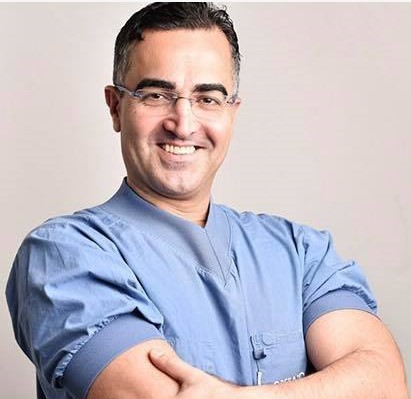
Mr Eduardo Murakami, Consultant Sonographer at London Private Ultrasound

Mr. Eduardo Murakami

Consultant Sonographer

Advanced Practitioner Sonographer · SOR: 22937 · MSK and general medical ultrasound

Digital Results

Seamless, Secure, At Your Fingertips

We can provide scan images directly to your smartphone, often on the same day following your appointment. Gain the peace of mind and insight you need, without delay.

  1. Same-day verbal results

    Your specialist explains findings immediately — which muscle is injured, whether the central aponeurosis is involved, haematoma size, and your return-to-sport timeline.

  2. Full written report within 24 hours

    A comprehensive diagnostic report emailed directly to you, formatted for sharing with your physiotherapist, sports medicine specialist, or team doctor.

  3. High-resolution digital images

    Essential for serial comparison at follow-up scans to confirm haematoma resolution and the timing of safe return to full training and contact sport.

Private thigh ultrasound scan for quadriceps, adductor and thigh muscle injury assessment at London Private Ultrasound
Related Services

Related Muscle & Joint Services

Other lower limb and sports injury assessments at our Central London and St Albans clinics, 7 days a week.

Posterior Thigh

Hamstring Ultrasound Scan

Assessment of the biceps femoris, semitendinosus and semimembranosus — for posterior thigh pain and hamstring tears. Includes proximal origin at the ischial tuberosity and high hamstring tendinopathy.

View hamstring ultrasound scan details and pricing
Hip

Hip Ultrasound Scan

Rectus femoris origin injuries at the AIIS are assessed alongside the hip. Covers GTPS, iliopsoas, adductor origins, and snapping hip in the same population as thigh injuries.

View hip ultrasound scan details and pricing
Knee

Knee Ultrasound Scan

Distal quadriceps pathology — patellar tendinopathy (jumper’s knee), partial quadriceps tears near the knee, and the IT band at the lateral femoral condyle — assessed on the knee page.

View knee ultrasound scan details and pricing
Injection Clinic

Thigh & Groin Injection Clinic

Ultrasound-guided PRP injection for adductor longus tendinopathy at the pubic symphysis, and haematoma aspiration guidance for quadriceps contusion — often at the same appointment as your scan.

View ultrasound-guided injection details
Calf

Calf Ultrasound Scan

Assessment of the gastrocnemius, soleus, and plantaris for calf tears and tennis leg — often combined with thigh assessment in runners with multi-site lower limb muscle injuries.

View calf ultrasound scan details and pricing
All Muscles

General Muscle Ultrasound Scan

Need assessment of a muscle not listed here? The general muscle scan covers any muscle in the body — from forearm flexors to chest, abdominals, and all other muscle groups.

View general muscle scan details and pricing
Patient Reviews

What Our Patients Say About Their Experience

★★★★★

“Amazing service. Dr Rez is very kind and gave me a lot of valuable information after my ultrasound. He followed up with a call to ease some of my worries. Would definitely recommend.”

Anthony P.Google Review — Verified Patient
★★★★★

“Brilliant — waiting for an NHS appointment was not an option. Same-day booking, thorough scan, report delivered the same afternoon. Exactly what I needed. 10 stars.”

Verified PatientGoogle Review
★★★★★

“Everyone I met was very professional, made me feel at ease and listened to my concerns. My report was with me before I got home. Excellent service.”

Verified PatientGoogle Review
4.8 / 5 from 1,200+ verified reviews
Read all patient reviews
Book Online

Choose Your Thigh Scan Appointment

Use the secure booking calendar to select your preferred clinic, date, and time. For complete quadriceps tears or rapidly swelling thigh haematomas, call 020 7101 3377 for same-day assessment.

Live booking calendar Secure online booking
Get In Touch

Here To Help

Three easy ways to book your private thigh ultrasound at Central London or St Albans.

Book Online

Book Online

Use our secure booking platform to choose your scan, preferred clinic, and available date. Instant confirmation by email. Available 24 hours, 7 days a week.

Book your thigh scan online Available 24 hours, 7 days a week
Urgent or Same-Day

Call for Urgent Appointments

For complete quadriceps tears, rapidly growing haematomas, or suspected myositis ossificans — call for same-day availability. We prioritise urgent MSK cases.

020 7101 3377 Mon–Sun · 9am–7pm
Email

Send a Message

Have a question about your thigh injury before booking, or want to share previous imaging? Email our team directly.

[email protected] We respond within a few hours during clinic hours
Scroll to Top