
Pelvic vs. Transvaginal Ultrasound: Understanding the Risks and Safety
Medical imaging has transformed the medical world, enabling doctors and medical professionals to diagnose as well as treat diseases precisely. Among the many devices being used, pelvic and transvaginal ultrasounds happen to be two of the finest in examining reproductive health or the pelvic region. Given these procedures are performed immensely, and considered safe, the common queries of patients circle around their risks and how comparable these are.
Safety in Ultrasound Introduction
Ultrasound scans use high-frequency sound waves to produce images of structures within the body. They do not use ionizing radiation like X-rays or CT, making them one of the safest imaging modalities. Again, even though they are safe, understanding their risks provides a patient with greater assurance when undergoing such procedures.
What is a Pelvic Ultrasound?
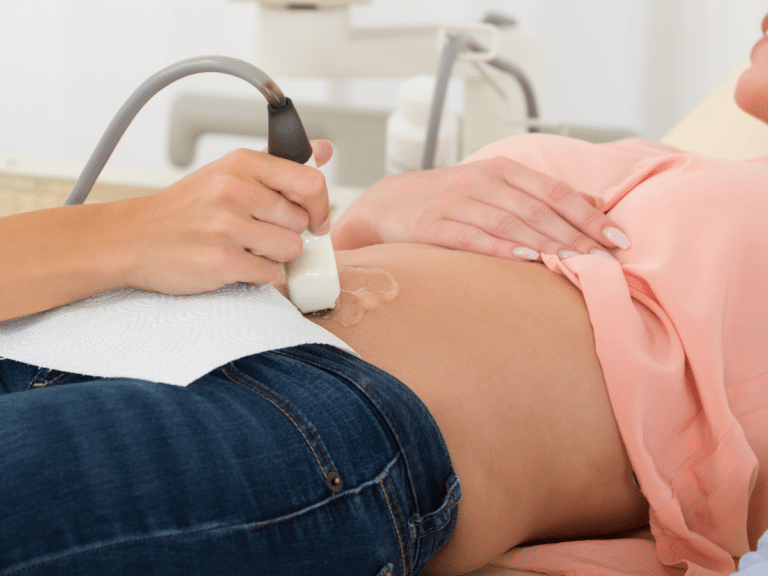
A pelvic ultrasound is an external imaging procedure that uses a handheld device, called a transducer, to examine organs in the pelvic region.
When is it Used?
Pelvic ultrasounds are often recommended for:
- Detecting abnormalities like fibroids or ovarian cysts.
- Diagnosing unexplained pelvic pain or irregular bleeding.
- Monitoring early pregnancy or fertility issues.
How is it Performed?
During the procedure, the patient lies on their back while the technician applies a warm gel to the abdomen. The transducer is moved across the skin, sending sound waves that generate live images on a monitor. For accurate results, patients are usually asked to have a full bladder, which improves the clarity of the images.
What is a Transvaginal Ultrasound?
Unlike pelvic ultrasounds, transvaginal ultrasounds are internal. A slim, wand-like probe is inserted into the vagina to capture detailed images of the reproductive organs.
When is it Recommended?
Doctors may use a transvaginal ultrasound for:
- Early pregnancy monitoring, especially in the first trimester.
- Detecting issues like ectopic pregnancies, ovarian torsion, or endometriosis.
- Examining abnormal growths or unexplained infertility.
What to Expect?
The procedure involves inserting a lubricated probe into the vagina, which transmits sound waves to create high-resolution images. While this may cause mild discomfort, it’s generally quick and well-tolerated.
How Ultrasounds Work
Both types of ultrasounds function by emitting high-frequency sound waves that bounce off tissues and organs. These waves are processed into images, giving doctors a clear view of the area being examined. Advanced safety features, like controlled wave intensity, ensure the procedure is as safe as possible.
Comparing Pelvic and Transvaginal Ultrasounds
| Factor | Pelvic Ultrasound | Transvaginal Ultrasound |
|---|---|---|
| Procedure Type | External, over the abdomen | Internal, via a vaginal probe |
| Image Resolution | Moderate | High |
| Patient Preparation | Full bladder required | Empty bladder preferred |
| Primary Uses | Broader pelvic assessment | Detailed examination of reproductive organs |
Are Pelvic Ultrasounds Safe?
Pelvic ultrasounds are widely regarded as safe. The external nature of the procedure eliminates any invasive risks, and no long-term side effects have been associated with its use. However, some patients may experience minor discomfort due to pressure applied during imaging.
Are Transvaginal Ultrasounds Safe?
Transvaginal ultrasounds are equally safe but involve slightly more preparation. Some patients may feel nervous about the invasiveness of the procedure, but studies confirm that it does not cause harm to reproductive organs or tissues. Proper communication with the technician or doctor can alleviate concerns.
Common Risks of Each Ultrasound Type
Both types of ultrasounds are minimally invasive and carry very low risk. However:
- Pelvic Ultrasounds: Some discomfort may arise from maintaining a full bladder or pressure from the transducer.
- Transvaginal Ultrasounds: Mild soreness or anxiety during the procedure is possible, but adverse effects are extremely rare.
Who Should Avoid Certain Ultrasounds?
While ultrasounds are safe for most people, certain scenarios may warrant caution:
- Pelvic Ultrasounds: May be challenging for patients unable to tolerate bladder fullness.
- Transvaginal Ultrasounds: May not be suitable for patients with severe vaginal pain or recent surgery.
FAQs: Addressing Common Concerns
Are ultrasounds safe for repeated use?
Yes, ultrasounds use sound waves rather than radiation, making them safe for multiple sessions.Can ultrasounds harm the fetus?
No evidence suggests harm to a fetus from diagnostic ultrasounds, making them a standard tool in prenatal care.What are alternatives to ultrasounds?
Depending on the situation, MRI or CT scans might be alternatives, though they may involve higher risks or costs.Are transvaginal ultrasounds painful?
Most patients report only mild discomfort. Open communication with your healthcare provider can ease any apprehensions.
Conclusion: Ensuring Safety in Ultrasound Procedures
Pelvic and transvaginal ultrasounds are indispensable tools in diagnostic medicine. With a proven track record of safety and effectiveness, they empower doctors to make accurate diagnoses while ensuring patient comfort. By understanding the procedures and preparing accordingly, patients can feel confident in the care they receive.
To book online select the date and time that suits you best – alternatively, please contact us with any questions via the chat, call or email links provided.
Telephone: 020 7101 3377