
Why Regular Heart Checkups Are Essential for Everyone Over 40
As we age, maintaining heart health becomes increasingly important. For individuals over 40, regular heart checkups can be a lifesaving step toward preventing cardiovascular disease (CVD), the leading cause of death globally. By monitoring key health markers and identifying risks early, heart checkups empower you to take control of your health and improve your quality of life.
The Importance of Heart Health After 40
By the age of 40, the body undergoes changes that can increase the risk of heart-related issues, including:
- Increased Blood Pressure: The elasticity of blood vessels diminishes over time, leading to higher blood pressure—a major risk factor for heart disease.
- Cholesterol Levels: LDL (“bad” cholesterol) tends to rise with age, while HDL (“good” cholesterol) may decline, increasing the risk of plaque buildup in arteries.
- Slower Metabolism: Weight gain and obesity, often linked to slower metabolism, contribute to heart strain and increased risk of hypertension and diabetes.
- Hormonal Changes: In women, menopause can lower estrogen levels, which protect the heart, while men may experience a gradual decline in testosterone, affecting vascular health.
To book online select the date and time that suits you best – alternatively, please contact us with any questions via the chat, call or email links provided.
Telephone: 020 7101 3377
Key Benefits of Regular Heart Checkups
1. Early Detection of Cardiovascular Risks
- Regular checkups help identify risk factors like high cholesterol, hypertension, and diabetes before they develop into serious heart conditions.
- Tests such as Electrocardiography (ECG) or stress tests can detect arrhythmias or other abnormalities early.
2. Prevention of Heart Disease
- By addressing modifiable risk factors through lifestyle changes and medication, regular checkups can significantly lower the likelihood of heart disease, heart attacks, or strokes.
- Guidance on a heart-healthy diet, exercise routine, and smoking cessation is often provided.
3. Monitoring Existing Conditions
- For those with conditions like high blood pressure or diabetes, regular checkups allow for continuous monitoring and adjustment of treatment plans.
4. Peace of Mind
- Knowing your heart health status can reduce anxiety and motivate proactive care.
What Happens During a Heart Checkup?
A typical heart checkup includes:
1. Medical History Review
- Discussion of personal and family history of heart disease, diabetes, or stroke.
- Assessment of lifestyle factors such as diet, exercise, stress levels, and smoking or alcohol use.
2. Physical Examination
- Measurement of blood pressure, weight, and body mass index (BMI).
- Evaluation of heart sounds and pulse rate to detect irregularities.
3. Diagnostic Tests
- Electrocardiogram (ECG): Records the electrical activity of the heart to detect arrhythmias or ischemia.
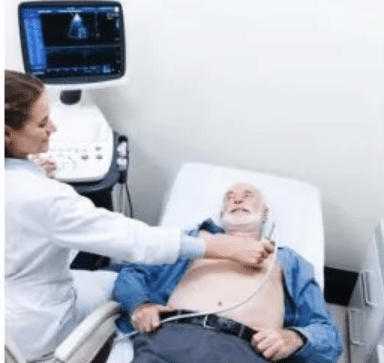
- Echocardiogram: Provides detailed images of the heart to evaluate structure and function.
- Lipid Profile: Measures cholesterol levels, including HDL, LDL, and triglycerides.
- Blood Glucose Testing: Detects diabetes or prediabetes, a major contributor to heart disease.
- Stress Test: Assesses heart function during physical exertion to identify hidden issues.
Who Should Prioritize Heart Checkups?
1. People With a Family History of Heart Disease
- A genetic predisposition increases the likelihood of developing cardiovascular issues.
2. Individuals With Pre-Existing Conditions
- Conditions such as diabetes, high blood pressure, or high cholesterol necessitate regular heart monitoring.
3. Smokers and Heavy Drinkers
- Smoking and excessive alcohol intake significantly raise the risk of atherosclerosis and heart attacks.
4. Sedentary Individuals
- A lack of physical activity contributes to obesity, high blood pressure, and poor cardiovascular health.
Warning Signs That Require Immediate Attention
While regular checkups are essential, certain symptoms should never be ignored:
- Chest Pain or Discomfort: A potential sign of angina or heart attack.
- Shortness of Breath: May indicate heart failure or pulmonary issues.
- Dizziness or Fainting: Could be related to arrhythmias or poor blood flow.
- Swelling in Legs or Feet: A symptom of fluid retention due to heart failure.
- Unexplained Fatigue: May result from poor heart function.
How Often Should You Get a Heart Checkup?
For individuals over 40, it is recommended to have a comprehensive heart checkup annually or more frequently if you have risk factors such as:
- High blood pressure
- High cholesterol
- Obesity
- Smoking or excessive alcohol use
- A history of cardiovascular events, such as a heart attack or stroke
Steps to Maintain Heart Health Between Checkups
Adopt a Heart-Healthy Diet:
- Focus on whole grains, lean proteins, healthy fats, and plenty of fruits and vegetables.
- Limit salt, sugar, and trans fats to reduce cholesterol and blood pressure.
Exercise Regularly:
- Aim for at least 150 minutes of moderate-intensity exercise per week (e.g., brisk walking, cycling).
Quit Smoking and Limit Alcohol:
- Smoking cessation reduces heart attack risk, while moderate alcohol consumption protects cardiovascular health.
Manage Stress:
- Practice relaxation techniques like yoga, meditation, or deep breathing to lower stress levels.
Monitor Key Health Metrics:
- Regularly check blood pressure, cholesterol, and blood sugar levels at home or during appointments.
Conclusion: Your Heart Deserves Regular Attention
Regular heart checkups for individuals over 40 are a proactive way to safeguard against heart disease and related complications. By combining professional evaluations with a heart-healthy lifestyle, you can significantly enhance your quality of life and longevity. Schedule your next heart health checkup today—it’s an investment in a healthier, brighter future!