
Endometrial Thickness: What’s Normal and What’s Not?
The endometrial thickness, or the thickness of the lining of the uterus, plays a crucial role in reproductive health. It’s especially significant for menstruation, pregnancy, and diagnosing potential health issues. The measurement of the endometrial lining is typically assessed through an ultrasound, and deviations from the norm can indicate various conditions.
In this article, we’ll explore what constitutes normal endometrial thickness, the factors that influence it, and what it means when the lining is thicker or thinner than expected.
What is Endometrial Thickness?
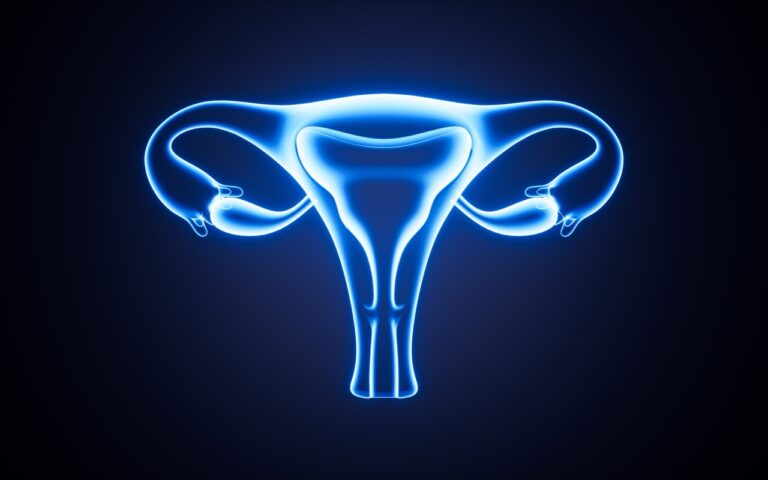
The endometrium is the inner lining of the uterus that undergoes cyclical changes in response to hormonal fluctuations. These changes prepare the uterus for pregnancy or the next menstrual cycle. The thickness of the endometrial lining is measured in millimeters using a transvaginal ultrasound.
Normal Endometrial Thickness by Phase of the Menstrual Cycle
Endometrial thickness varies depending on the phase of the menstrual cycle and whether a person is premenopausal, postmenopausal, or undergoing fertility treatments.
1. Menstrual Phase (Days 1–5)
- During menstruation, the lining is shed.
- Normal Thickness: 1–4 mm.
2. Proliferative Phase (Days 6–14)
- The endometrium starts rebuilding after menstruation.
- Normal Thickness: 5–7 mm, increasing up to 11 mm just before ovulation.
3. Secretory Phase (Days 15–28)
- Following ovulation, the endometrium thickens further, preparing for potential implantation of a fertilized egg.
- Normal Thickness: 7–16 mm.
4. Pregnancy
- In early pregnancy, the lining may thicken further to support the developing embryo.
- Normal Thickness: 8–13 mm in early stages.
Normal Endometrial Thickness in Postmenopausal Women
After menopause, the endometrial lining becomes thinner due to decreased estrogen levels.
- Normal Thickness: ≤4–5 mm.
- Thickened Endometrium: Over 5 mm may warrant further investigation to rule out conditions like endometrial hyperplasia or cancer.
What Does a Thickened Endometrium Mean?
A thickened endometrium (endometrial hyperplasia) can occur due to hormonal imbalances or other underlying conditions.
Possible Causes of a Thickened Endometrium
Hormonal Imbalance:
- Excess estrogen without sufficient progesterone can cause the endometrium to thicken excessively.
Polycystic Ovary Syndrome (PCOS):
- Hormonal imbalances associated with PCOS can lead to endometrial thickening.
Endometrial Hyperplasia:
- A condition characterized by an overgrowth of the endometrium, often caused by prolonged estrogen exposure.
- It can be precancerous if atypical cells are present.
Endometrial Cancer:
- A thickened endometrium is a potential sign of endometrial cancer, particularly in postmenopausal women.
Pregnancy-Related Changes:
- Conditions like molar pregnancy or miscarriage can cause abnormal thickening.
What Does a Thin Endometrium Mean?
A thin endometrial lining may affect fertility or indicate certain health concerns.
Possible Causes of a Thin Endometrium
Low Estrogen Levels:
- Estrogen is essential for thickening the endometrium. Insufficient levels can result in thin lining.
Asherman’s Syndrome:
- Scar tissue in the uterus can lead to a thin or irregular endometrium.
Chronic Inflammation:
- Conditions like chronic endometritis can impair endometrial growth.
Fertility Treatments:
- Some medications used in fertility treatments may affect endometrial thickness.
Age-Related Changes:
- Postmenopausal women naturally experience a thinner endometrial lining due to hormonal changes.
Symptoms of Abnormal Endometrial Thickness
While changes in endometrial thickness often go unnoticed, some symptoms may indicate a problem:
- Heavy or Irregular Bleeding: Particularly in premenopausal women.
- Postmenopausal Bleeding: Any bleeding after menopause is abnormal and should be evaluated.
- Pelvic Pain: Persistent or cyclical pain could be linked to uterine conditions.
- Difficulty Conceiving: Fertility issues may be related to endometrial abnormalities.
Diagnosing and Measuring Endometrial Thickness
1. Transvaginal Ultrasound
- The most common and accurate method for measuring endometrial thickness.
- Involves inserting a small probe into the vagina to obtain detailed images of the uterus.
2. Biopsy or Hysteroscopy
- A biopsy may be recommended if the thickness is abnormal to check for hyperplasia or cancer.
- Hysteroscopy allows direct visualization of the uterine cavity.
Treatment for Abnormal Endometrial Thickness
Thickened Endometrium
- Hormonal Therapy: Progestin is often used to balance excess estrogen.
- Dilation and Curettage (D&C): A procedure to remove excess tissue.
- Surgery: In severe cases, a hysterectomy may be considered.
Thin Endometrium
- Estrogen Therapy: To stimulate endometrial growth.
- Lifestyle Changes: Improving blood flow through exercise or acupuncture.
- Platelet-Rich Plasma (PRP): An emerging therapy to improve endometrial receptivity.
FAQs About Endometrial Thickness
1. What is considered a normal endometrial thickness?
- In premenopausal women, normal thickness ranges from 1–16 mm, depending on the cycle phase. For postmenopausal women, less than 5 mm is considered normal.
2. Can a thickened endometrium mean cancer?
- While a thickened endometrium can indicate endometrial cancer, it is more commonly associated with benign conditions like hyperplasia or hormonal imbalances.
3. How is endometrial thickness measured?
- A transvaginal ultrasound is the most common method used to measure the endometrial lining.
4. Can a thin endometrium affect fertility?
- Yes, a thin endometrial lining can make implantation difficult, potentially leading to infertility or recurrent pregnancy loss.
5. Is treatment necessary for abnormal endometrial thickness?
- Treatment depends on the underlying cause. Hormonal therapy, surgery, or lifestyle changes may be recommended based on the diagnosis.
Conclusion
Understanding your endometrial thickness is crucial for maintaining reproductive health and detecting potential issues early. Regular monitoring through ultrasounds can help identify deviations from normal ranges, guiding timely interventions. Whether you’re managing menstrual health, trying to conceive, or addressing postmenopausal concerns, tracking your endometrial lining measurement is a key component of overall well-being.
If you experience symptoms like abnormal bleeding or pelvic pain, consult your healthcare provider to assess your endometrial health and explore appropriate treatments.
To book online select the date and time that suits you best – alternatively, please contact us with any questions via the chat, call or email links provided.
Address: 27 Welbeck Street, London, W1G 8EN
Telephone: 020 7101 3377