
Liver Health and Gilbert’s Syndrome: A Comprehensive Guide
The liver plays a vital role in maintaining overall health, including detoxification, protein synthesis, and the production of biochemicals necessary for digestion. Gilbert’s syndrome, a common genetic condition, affects liver function and can lead to various symptoms and health concerns. This comprehensive guide explores liver health with a focus on Gilbert’s syndrome, its causes, symptoms, diagnosis, and management, while addressing frequently asked questions and common misconceptions.
Understanding Gilbert’s Syndrome
What is Gilbert’s Syndrome?
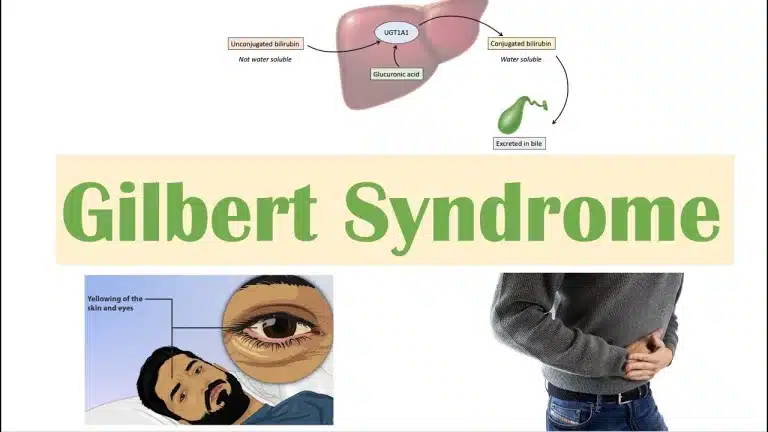
Gilbert’s syndrome, also known as Gilbert’s disease, is a genetic condition characterized by mildly elevated levels of bilirubin in the blood. This occurs due to a deficiency in the enzyme UGT1A1, which is responsible for converting bilirubin into a form that can be excreted from the body.
Causes of Gilbert’s Syndrome
Gilbert’s syndrome is caused by a mutation in the UGT1A1 gene. This mutation reduces the activity of the enzyme responsible for processing bilirubin, leading to an accumulation of unconjugated bilirubin in the blood, a condition known as hyperbilirubinemia.
Symptoms of Gilbert’s Syndrome
While many people with Gilbert’s syndrome do not experience symptoms, some may have:
- Jaundice: Yellowing of the skin and eyes, especially during periods of illness, stress, fasting, or dehydration.
- Fatigue: Persistent tiredness and lack of energy, often referred to as Gilbert’s syndrome fatigue.
- Headaches: Frequent headaches that can vary in intensity.
- Abdominal Discomfort: Mild pain or discomfort in the upper abdomen.
- Alcohol Intolerance: Increased sensitivity to alcohol, leading to prolonged hangover symptoms and more pronounced jaundice.
Gilbert’s Syndrome and Alcohol
People with Gilbert’s syndrome may experience increased sensitivity to alcohol. Gilbert’s syndrome alcohol intolerance can lead to more severe hangover symptoms and prolonged jaundice.
Diagnosis of Gilbert’s Syndrome
Tests to Diagnose Gilbert’s Syndrome
- Blood Tests: To measure bilirubin levels and liver enzyme activity.
- Liver Function Tests: Including ALT and AST levels to assess overall liver health.
- Genetic Testing: To identify mutations in the UGT1A1 gene.
- Direct Bilirubin Test: Measures the amount of bilirubin that has been processed by the liver. In Gilbert’s syndrome, direct bilirubin levels are usually normal, while indirect (unconjugated) bilirubin levels are elevated.
Differentiating Gilbert’s Syndrome from Other Conditions
- Gilbert Syndrome or Hemolysis: Hemolysis involves the breakdown of red blood cells, leading to elevated bilirubin. Additional tests such as a complete blood count (CBC) and reticulocyte count can help differentiate between the two.
- Gilbert Syndrome Enzyme Deficiency: Specifically involves the UGT1A1 enzyme, unlike other liver or blood conditions.
Management and Treatment of Gilbert’s Syndrome
Does Gilbert’s Syndrome Need Treatment?
Gilbert’s syndrome generally does not require treatment. It is a benign condition that does not lead to serious health problems.
Managing Symptoms
- Healthy Lifestyle: Maintaining a balanced diet, regular exercise, and avoiding triggers like fasting and dehydration can help manage symptoms.
- Alcohol Moderation: Limiting alcohol intake to avoid exacerbating symptoms.
- Stress Management: Since stress can cause elevated bilirubin levels, practices like yoga, meditation, and adequate sleep are beneficial.
Gilbert’s Syndrome Treatment
While there is no specific treatment for Gilbert’s syndrome, managing lifestyle factors can help reduce symptoms. Staying hydrated, especially drinking more water, can help maintain normal bilirubin levels.
Jaundice and Sleeplessness
- Does Jaundice Cause Sleeplessness?: Yes, jaundice can cause sleeplessness, particularly if it is associated with underlying conditions like liver disease or metabolic disturbances.
- Jaundice Lack of Sleep: Lack of sleep can exacerbate symptoms of jaundice, creating a cycle of discomfort and fatigue.
Signs of Recovery from Jaundice
- Decreasing Yellowing: Gradual reduction in the yellowing of the skin and eyes.
- Improved Energy Levels: Less fatigue and increased stamina.
- Normalized Appetite: Return to normal eating habits without nausea or discomfort.
Maintaining Liver Health
Tips for a Healthy Liver
- Healthy Diet: Consuming a balanced diet rich in fruits, vegetables, lean proteins, and whole grains can support liver health.
- Limit Alcohol: Excessive alcohol consumption can lead to liver damage. Limiting alcohol intake is crucial for liver health.
- Regular Exercise: Physical activity helps maintain a healthy weight and reduces the risk of fatty liver disease.
- Avoid Toxins: Minimize exposure to environmental toxins and avoid illegal drugs, which can harm the liver.
- Regular Check-Ups: Routine health check-ups, including liver function tests, can help detect liver issues early and ensure timely intervention.
Liver-Friendly Foods
- Leafy Greens: Spinach, kale, and other greens help increase the levels of enzymes that detoxify the liver.
- Berries: Blueberries, raspberries, and cranberries contain antioxidants that protect the liver from damage.
- Nuts: Almonds, walnuts, and other nuts provide healthy fats and antioxidants that support liver health.
- Fish: Fatty fish like salmon and trout are high in omega-3 fatty acids, which reduce liver fat and inflammation.
- Garlic: Contains compounds that activate liver enzymes and help flush out toxins.
Frequently Asked Questions
1. Can Stress Cause Elevated Bilirubin Levels?
Yes, stress can cause elevated bilirubin levels, particularly in individuals with Gilbert’s syndrome. Stress management techniques are important in managing this condition.
2. Genetic Condition for Mildly Elevated Bilirubin
Gilbert’s syndrome is a genetic condition that results in mildly elevated bilirubin levels due to a deficiency in the UGT1A1 enzyme.
3. Genes Associated with High Bilirubin
The primary gene associated with high bilirubin in Gilbert’s syndrome is the UGT1A1 gene. Mutations in this gene reduce the enzyme’s activity, leading to hyperbilirubinemia.
4. Causes of Overproduction of Bilirubin
Overproduction of bilirubin can result from various conditions, including:
- Hemolysis: Increased breakdown of red blood cells.
- Liver Diseases: Such as hepatitis or cirrhosis.
- Inherited Conditions: Like Gilbert’s syndrome or Crigler-Najjar syndrome.
5. What is the Difference Between Gilbert’s Syndrome and Other Liver Diseases?
Gilbert’s syndrome is a genetic condition that primarily affects the processing of bilirubin without causing significant liver damage. Other liver diseases, such as hepatitis or cirrhosis, involve more extensive liver damage and can lead to severe health complications.
6. Is Gilbert’s Syndrome Hereditary?
Yes, Gilbert’s syndrome is hereditary. It is passed down from parents to children through the UGT1A1 gene mutation.
7. Can Gilbert’s Syndrome Cause Liver Damage?
No, Gilbert’s syndrome itself does not cause liver damage. It is a benign condition characterized by mildly elevated bilirubin levels without leading to significant liver injury.
8. Can Gilbert’s Syndrome Affect Pregnancy?
Gilbert’s syndrome does not typically affect pregnancy. However, pregnant women with Gilbert’s syndrome should inform their healthcare providers to ensure appropriate monitoring and management.
9. How Often Should Someone with Gilbert’s Syndrome Have Their Liver Function Tested?
Routine liver function tests are not necessary for individuals with Gilbert’s syndrome unless they experience symptoms or other health issues. Regular check-ups with a healthcare provider are recommended to monitor overall health.
10. What Foods Should Be Avoided with Gilbert’s Syndrome?
There are no specific dietary restrictions for Gilbert’s syndrome. However, maintaining a healthy diet and avoiding excessive alcohol and fasting can help manage symptoms.
11. Can Gilbert’s Syndrome Lead to Gallstones?
There is no direct link between Gilbert’s syndrome and gallstones. However, any condition that affects bilirubin processing can potentially contribute to gallstone formation.
Understanding and managing liver health, particularly with conditions like Gilbert’s syndrome, is crucial for maintaining overall well-being. Regular monitoring, healthy lifestyle choices, and awareness of potential symptoms can help individuals with Gilbert’s syndrome lead a normal, healthy life.
For more information on liver health and comprehensive liver assessments, please contact London Private Ultrasound. Visit our website at www.londonsono.com, call us at 02071013377, or email us at [email protected]. Take proactive steps towards a healthier liver and overall well-being today.