
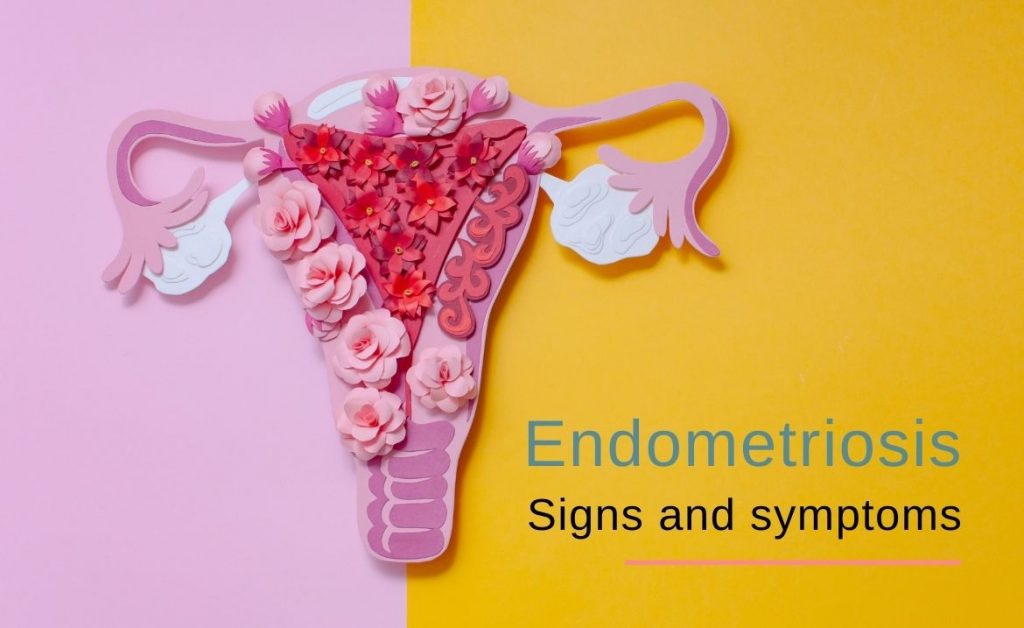
Endometriosis: Understanding the Condition and Its Impact on Women’s Health
Endometriosis is the medical equivalent of a Rubik’s Cube, complex and frequently misunderstood by those who do not have it. It takes place when tissue that has physical and functional qualities similar to the endometrium — lining of uterus, known as ectopic endometrial foci or a form of benign neoplasmrogen without atypia. However, when this growth becomes aggressive enough and grows in excess due to hormonal imbalances or estrogens dominance it may cause a woman excruciating pain as well a serious fertility which can greatly affect quality of life. We dig deep into the signs and symptoms of endometriosis, how it affects your body, treatment options available to fight it off—and why essential hormones like estrogen and progesterone are probably involved in helping those get-out-of-control cells sneak loose from their cozy home.
Understanding Endometriosis
What is Endometriosis?
Endometriosis is a chronic disease in which tissue that normally lines the inside of your uterus — called endometrium. Endometrial-like tissues can implant on pelvic organs including the ovaries, fallopian tubes, exterior of the uterus and other structures within this area The condition is caused when endometrial tissue moves out to different places beside its original locations (untamed growth) Be that as it may. It may also spread to areas outside of the pelvis, in rare cases.
Symptoms of Endometriosis
Endometriosis ranges from mild to severe symptoms and while some experience are very minor ones, others may have complete miserable or debilitating pain. Common symptoms include:
Chronic Pelvic Pain : Most part of the endometriosis related symptoms you will get is with chronic pelvic pain. The pain oftentimes coincides with the menstrual cycle, but may also happen at other times.
Dysmenorrhea: Women with endometriosis have periods that can be so painful that this may even begin before and last for several days into the period.
Dyspareunia: Pain during intercourse or after sex is very common in women with endometriosis.
Pain with Bowel Movements or Urination — Symptoms may appear during menstruation.
Heavy bleeding: Many women with a molar pregnancy report heavy vaginal bleeding — heavier than their normal menstruation.
Infertility: Due to the way endometriosis can cause scars, adhesions and inflammation, this can impact on fertility as it could affect the meeting of an egg and sperm.
Impact on Women’s Health
What Does Endometriosis Affect in a Woman’s Life?
Complications of endometriosis Fertility: The main complication associated with endometriosis is a problem getting pregnant. Over 30-50% of women with endometriosis are infertile. The condition has the potential to alter the structure of a woman’s reproductive organs, prevent eggs from being released properly or develop an environment that is unappealing for conception due to inflammation.
Quality of Life -The pain related to endometriosis can decrease quality of life substantially. It sucks the joy out of their personal and professional lives, it leads to depression & anxiety.
Chronic Pain : Women with endometriosis often suffer from chronic pelvic pain and may find it difficult to manage as well, especially if the condition persists after treatment.
How Is Endometriosis Treated?
At the present, there is no cure for endometriosis but several treatment modalities are available for symptoms control and restoring quality of life (4). Depending on the severity of symptoms, how extensive disease is and whether you wish to have children will help determine choice of treatment.
Pain Management — Over-the-counter pain relievers, such as nonsteroidal anti-inflammatory drugs (NSAIDs), can help to alleviate the painful cramping of endometriosis. For this reason, stronger medications may be prescribed by the doctor for more severe pain.
Hormonal therapy, intending to reduce or stop menstrual flow- The presence of blood during menstruation makes endometriosis worse. Options include:
Oral Contraceptives, Patches and Vaginal Rings: These could regulate the hormones that cause endometrial tissue to build up each month.
Gonadotropin-releasing hormone (GnRH) agonists and antagonists: These drugs block the production of estrogen, creating a temporary menopausal-like state that shrinks endometrial tissue — which could help reduce your pain.
Progestin Therapy: Progestins can reduce or eliminate menstruation and endometrial implants.
Surgical Treatment: Surgery can be considered in women with severe symptoms or when other treatments are not effective. The aim is to excise the endometriosis as effectively as possible with surgery. Second, Fertility may improve after surgery.
If pain is severe, one option may be surgery followed by in vitro fertilization (a form of assisted reproductive technology) to treat infertility.
Diet, Exercise, and Stress Management: Lifestyle changes such as diet, exercise, stretching etc. also regime in the management of endometriosis symptoms. Other women turn to alternative approaches, such as acupuncture and yoga, for relief.
Hormones in Healthy Endometrial Populations
The Significance of Balanced Hormones
The endometrium is a way in tune to body hormone alterations The two hormones estrogen and progesterone, that this will look for out-of-whack. These hormones control the menstrual cycle and are necessary to maintain endometrial tissue health.
Estrogen: Estrogen is the hormone that supports the thickening of endometrium during first half part of menstrual cycle. High estrogen levels may cause overgrowth of the endometrial lining promoting such illnesses as endometriosis, hyperplasia (polyps), and even cancer.
Progesterone: This hormone is secreted after ovulation helps to ready the endometrium for a potential pregnancy. Among those it steadies, the endometrial lining is maintained from developing way too solid quite. It also helps in proper health of the uterus by indirect immunoregulatory activity at feto-maternal interface and progesterone is potent immune regulator for a successful pregnancy.
Adverse effects of hormonal imbalance and Endometrial Diseases.
Endometrial disorders related to imbalance in estrogen and progesterone levels:
Endometriosis: In endometriotic women, they usually have high levels of estrogen and low levels of progesterone. More specifically, the increased oestrogen activity stimulates endometrial-like growths outside of your uterus as a result of its unopposed proliferation in comparison to too low progesterone meaning that this growth fails to be restircted.
Endometrial Hyperplasia: endometrium (lining of the uterus) becomes too thick which can sometimes lead to uterine cancer hormones, estrogen- not balanced with enough progesterone cervical intraepithelial neoplasia 3 dependent on region. Left unresolved, it may lead to endometrial cancer.
Endometrial Cancer: Increasing risk of endometrial cancer due to long-term exposure from estrogen alone,… Hormonal therapy protocols to diminish the increase in estrogen-progesterone level ratios are often conducted.
Balance Hormones for a Healthier Endometrium
Balancing out our hormone levels is really important for keeping a happy, healthy endometrium this can be done by:
Hormonal Therapies: As already described, hormonal treatments — such as the pill birth control pills, progestins and agonists GnRH — can restore balanced levels of estrogen and progesterone are lessening endometrial disorders.
Lifestyle Changes Diet, exercise and the way you manage stress can also affect hormone levels. A healthy lifestyle can also aid hormonal balance in general and reduce endometriosis, as well as the risk of developing endometrial hyperplasia.
Monitoring visits – Certain women, in particular those with a history of hormonal imbalances or endometrial disorders should have follow-up appointments scheduled to review their current treatment plan and make further adjustments as needed.
Conclusion
Endometriosis is a devastating disease that affects women’s quality of life, with chronic pain and even fertility in some cases. Given the wide range of endometrial disorders, it is imperative to understand what role hormones play in terms of other endometriosis or comparable conditions. Management Managing symptoms and preventing more serious complications are the goals of treatment, which is typically hormonal therapy to correct the imbalance between estrogen and progesterone. So if you’re symptomatic of endometriosis or concerned that something’s up with your endo health; feel free to see a healthcare provider, as they can explain practical treatment and strategies for hormonal balance.
For more information or to schedule a Endometrium Lining Health Package, contact London Private Ultrasound. Visit our website at www.londonsono.com, call us at 02071013377, or email us at [email protected]. Take proactive steps to protect your heart today.