
Understanding Menopause: Symptoms, Stages, and Management Tips
For all women, menopause is the natural and inescapable end of their menstrual cycles and childbearing years. Despite it being a normal phase in the life of women, its symptoms are much more bothersome than usually experienced and so vary vastly from one woman to another. Recognizing these shifts, what menopause looks like and learning how to comfortably navigate the stage can reduce anxiety surrounding this time.
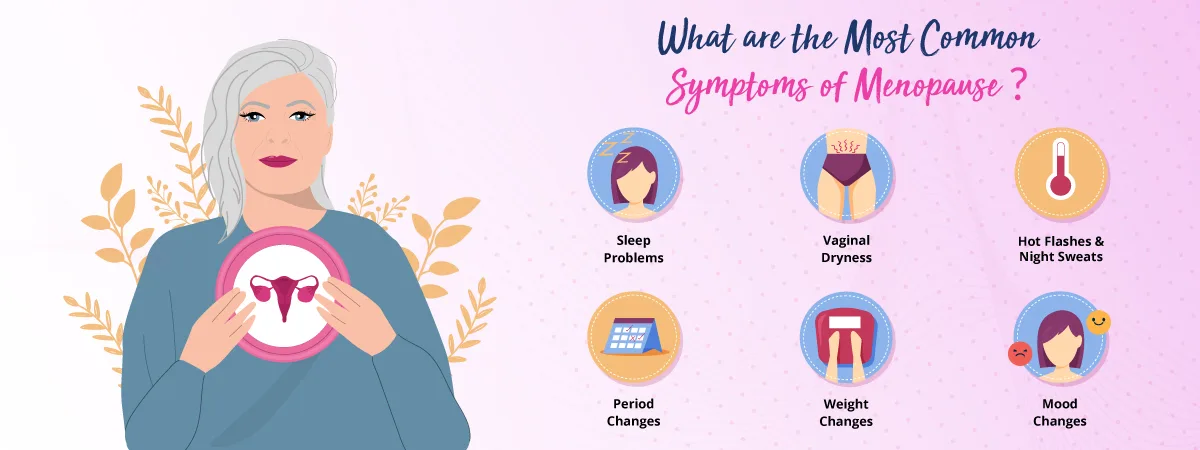
Menopause Symptoms
One of the symptoms of menopause, female hormone replacement therapy may be prescribed to help treat some women. The following is a list of some common symptoms
- Hot Flashes: Sudden and intense feelings of warmth that begin in the face, neck, or chest. These episodes may result in the skin turning red and heavy sweating.
- Night Sweats: Night sweats come as and when your heat flashes, yet imply to those that wake you up in the however of two dripped drenched.
- Changes in Menstrual Cycle : The menstrual cycle can become irregular and may vary before it stops completely with types of period changing from shorter or longer, lighter to heavier.
- Vaginal dryness: Reduced lubrication of the vaginal tissue, which can lead to discomfort during sexual activity as well as increase the likelihood for infections
- Altered Mood: Hormonal imbalances may cause irrational grumpiness, inclining to anxiety and despair along with mood swings.
- Sleep Problems: Difficulty to fall of asleep or stay asleep, frequently worsened by night sweats and other physical discomfort.
- Increased abdominal fat, due to changes in metabolism and hormone levels, causes weight gain.
- Change in Appearance of Skin and Hair: The hormonal change can lead to hair thinning, changes the season & texture of skin and hence cause dryness.
- Decrease in Sexual Desire and Arousal: It can be both a reaction to the physical changes we have discussed, but also an effect of emotional factors.
Menopause Stages
The three main stages of menopause are as follows:
- Perimenopause: This transition may begin with a woman in her 40s, however it can even occur sooner. Perimenopause is a time when estrogen levels will continuously function irregular month, leading to your period changes and discomfort flash temperature. This phase lasts for many years, until the body reaches menopause.
- Menopause: That point in time when a woman has not had menses for 12 straight months For the most part, menopause happens at around age 50; however it can occur earlier or later in life. This is the stage where ovaries do not release any eggs and estrogen (related molecule progesterone) levels drop significantly.
- Postmenopausal-This follows menopause. Some symptoms, such as hot flashes and night sweats may continue but with less intensity over time. Whether or not a woman is experiencing signs of perimenopause, there are still important lifestyle changes she should make in this decade to protect herself from conditions such as osteoporosis and heart disease that may be more likely because her hormone levels have declined.
Managing Menopause
There are also treatment options or lifestyle changes to help manage menopause. Here are some tips:
- Healthy Diet: Eating from all the food groups; Fruits, Vegetables, Whole Grains and Lean Proteins are very important. Calcium- and Vitamin D-rich foods for bone health.
- Exercise regularly such as moderate aerobic activity, followed by muscle strengthening and flexibility training helps control weight, improve mood and strong bones.
- Stay Hydrated — Drinking water, it can help hot flashes and will prevent dehydration during night sweats.
- Hormone Replacement Therapy: Replacing the estrogen that is being produced less and less can reduce symptoms of menopause. You must not use it without the guidance of a healthcare provider.
- Medical treatments without hormones: Medications that are not a form of HRT (which has been proven to be dangerous) can help stabilize moods and decrease hot flashes. Vaginal dryness can be solved by creams and lubricants with vaginal estrogen.
- Stress Management: Yoga, meditation and practising deep-breathing exercises can help you in stress management as well as enable good mental health.
- Sleep Hygiene: Developing a regular sleep schedule, making your sleeping be more comfortable and avoiding caffeine before going to bed can help you get better rest.
- Avoid Triggers: Recognizing hot flash triggers like spicy foods, caffeine, alcohol and stress can also help control symptoms.
- Support networks: You may find comfort and practical advice through support groups or by talking to a counselor who specializes in menopausal issues.
Early screening and prevention starts at home, between regular check-ups with their doctor to get vitals checked out at least once a year.
London Private Ultrasound Menopause Health Package
If you have been through the menopause and would like an overall check of your health, then we offer a Menopause Health Package at London Private Ultrasound. This package includes:
- Pelvic Ultrasound – can evaluate the pelvic organs such as uterus, ovaries to determine if there are any structural changes or abnormalities.
- Consult with the GP – a comprehensive review + national interview about menopausal symptoms, their worries and instigation of treatment plan
- Blood Test: An examination of the hormones, such as FSH/ Estradiol/TSH/FT4/LH levels will determine your hormonal changes and general health during menopause.
Benefits of the Menopause Health Package
- Full Assessment: The package provides a thorough evaluation of women’s menopausal health, involving some imaging and lab tests to assess hormone levels as we can diagnose early problems.
- Blood tests assess hormone levels to help diagnose and manage the hormonal shifts that happen with menopause.
- Custom Care: Customized treatment and advice from provider-guided counseling that is specific to menopausal symptoms/health.
- Early Identification: With periodic assessments, Menopause-related health issues can be detected early and managed in time.
- Peace of Mind: Managing menopausal health proactively provides complete care from experts in the field
Conclusion
Knowing how menopause affects the body helps in the management of symptoms. Understanding the phases of menopause and preempting treatment alternatives can make passage to this stage smoother for women. Find out more or book the Menopause Health Package at London Private Ultrasound.
Visit our website at www.londonsono.com or on 02071013377 or email us at [email protected]. There is also a need to do something about the management of menopause, protecting your health in order to sail through this phase quite effortlessly.