
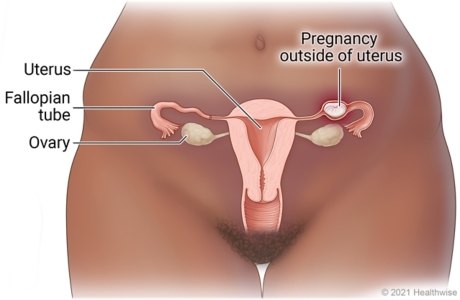
What is an Ectopic Pregnancy?
Answer: An ectopic pregnancy occurs when a fertilized egg implants outside the uterus, most commonly in the fallopian tubes. It is a serious condition that requires prompt medical attention, as it can lead to severe complications if left untreated.
How is an Ectopic Pregnancy Diagnosed?
Answer: Ectopic pregnancy is typically diagnosed using a combination of pelvic exams, blood tests to measure the hormone hCG (human chorionic gonadotropin), and imaging tests such as a transvaginal ultrasound.
What is a Transvaginal Ultrasound?
Answer: A transvaginal ultrasound is a type of pelvic ultrasound used to get a detailed image of the reproductive organs. It involves inserting a small ultrasound probe into the vagina to get closer to the uterus and fallopian tubes, providing clearer images than an abdominal ultrasound.
Why is a Transvaginal Ultrasound Used for Ectopic Pregnancy?
Answer: A transvaginal ultrasound is preferred for diagnosing an ectopic pregnancy because it can provide a clearer and more detailed view of the fallopian tubes and other pelvic structures, helping to accurately locate the pregnancy.
What Happens During a Transvaginal Ultrasound?
Answer: During a transvaginal ultrasound, you will lie on an exam table with your feet in stirrups. The technician or doctor will insert a lubricated probe into the vagina. The probe sends out sound waves that bounce off the pelvic organs, creating images on a monitor.
Is a Transvaginal Ultrasound Painful?
Answer: A transvaginal ultrasound is generally not painful, but some women may feel slight discomfort or pressure when the probe is inserted. The procedure is usually brief, lasting about 15 to 30 minutes.
How Should I Prepare for a Transvaginal Ultrasound?
Answer: Preparation for a transvaginal ultrasound is minimal. You may be asked to empty your bladder before the procedure for better image quality. You should also wear comfortable, loose-fitting clothing.
What Do the Results of an Ectopic Pregnancy Scan Mean?
Answer: The results of an ectopic pregnancy scan can indicate the presence and location of the pregnancy. If an ectopic pregnancy is confirmed, immediate medical intervention is necessary to prevent complications. The treatment may involve medication or surgery, depending on the size and location of the ectopic pregnancy.
Can an Ectopic Pregnancy Be Seen on an Abdominal Ultrasound?
Answer: While an abdominal ultrasound can sometimes detect an ectopic pregnancy, it is less effective than a transvaginal ultrasound for early and detailed imaging. A transvaginal ultrasound is generally the preferred method for accurate diagnosis.
What Should I Do If I Suspect an Ectopic Pregnancy?
Answer: If you suspect you have an ectopic pregnancy, seek immediate medical attention. Symptoms can include sharp or stabbing pelvic pain, vaginal bleeding, shoulder pain, and dizziness or fainting. Early diagnosis and treatment are crucial to prevent severe complications.
How Early Can a Scan Detect Ectopic Pregnancy?
Answer: An ectopic pregnancy can typically be detected via transvaginal ultrasound as early as five to six weeks into the pregnancy. The timing can vary based on the location of the ectopic pregnancy and the levels of the hormone hCG in the blood. If a pregnancy is not visible within the uterus during this period and hCG levels are high, an ectopic pregnancy may be suspected.
Can a Scan Be Wrong About Ectopic Pregnancy?
Answer: While transvaginal ultrasounds are highly effective in diagnosing ectopic pregnancies, no test is 100% accurate. Factors such as early gestational age, unusual anatomy, or technical limitations can sometimes lead to inconclusive or incorrect results. In some cases, additional testing, including serial hCG measurements and follow-up ultrasounds, may be necessary to confirm the diagnosis.
Can an Ectopic Pregnancy Show Negative on a Test?
Answer: An ectopic pregnancy typically shows positive on a pregnancy test because the hormone hCG is produced in both normal and ectopic pregnancies. However, the levels of hCG in an ectopic pregnancy may rise more slowly than in a normal pregnancy, potentially leading to lower readings. In very early stages, this could result in a false negative if the hCG levels are not high enough to be detected.
What Are the Chances of Bad News at a 20-Week Scan?
Answer: The 20-week scan, also known as the mid-pregnancy or anatomy scan, is an important milestone that checks the baby’s development and looks for any potential abnormalities. While the majority of 20-week scans show normal development, about 2-5% of scans may reveal some form of anomaly, ranging from minor issues to serious conditions. It’s important to remember that many anomalies detected can be managed with appropriate medical care, and the scan allows for early intervention and planning.
What Week Are Most Ectopic Pregnancies Diagnosed?
Answer: Most ectopic pregnancies are diagnosed between the 6th and 10th weeks of pregnancy. This is typically when symptoms become apparent and hCG levels are high enough to indicate a pregnancy, prompting further investigation through ultrasound and other diagnostic measures.
How to Terminate an Ectopic Pregnancy Early?
Answer: Early termination of an ectopic pregnancy is crucial to prevent serious complications. The most common methods include:
- Medication: Methotrexate is often used to stop the growth of the pregnancy tissue. It is most effective when the ectopic pregnancy is detected early.
- Surgery: If the ectopic pregnancy has progressed or if there is a risk of rupture, laparoscopic surgery is performed to remove the ectopic tissue. In some cases, a segment of the fallopian tube may also need to be removed.
What Would hCG Levels Be If Ectopic?
Answer: In an ectopic pregnancy, hCG levels typically rise more slowly than in a normal intrauterine pregnancy. Instead of doubling every 48-72 hours, hCG levels in ectopic pregnancies may increase at a slower rate or plateau. However, hCG levels alone cannot confirm an ectopic pregnancy; they must be interpreted alongside ultrasound findings and clinical symptoms.
Would I Know by 6 Weeks If Ectopic?
Answer: By 6 weeks, symptoms of an ectopic pregnancy may become noticeable, and hCG levels can be measured to assess the viability of the pregnancy. Common symptoms include pelvic pain, spotting, and dizziness. If you experience these symptoms, it is crucial to seek medical attention for a definitive diagnosis, often involving a transvaginal ultrasound.
Do You Get Early Positive with Ectopic?
Answer: Yes, you can get an early positive pregnancy test with an ectopic pregnancy. The presence of hCG produced by the ectopic pregnancy can result in a positive test even if the pregnancy is not located in the uterus. It is important to follow up with a healthcare provider if there are any concerns or unusual symptoms.