
1. What is an Echocardiogram?
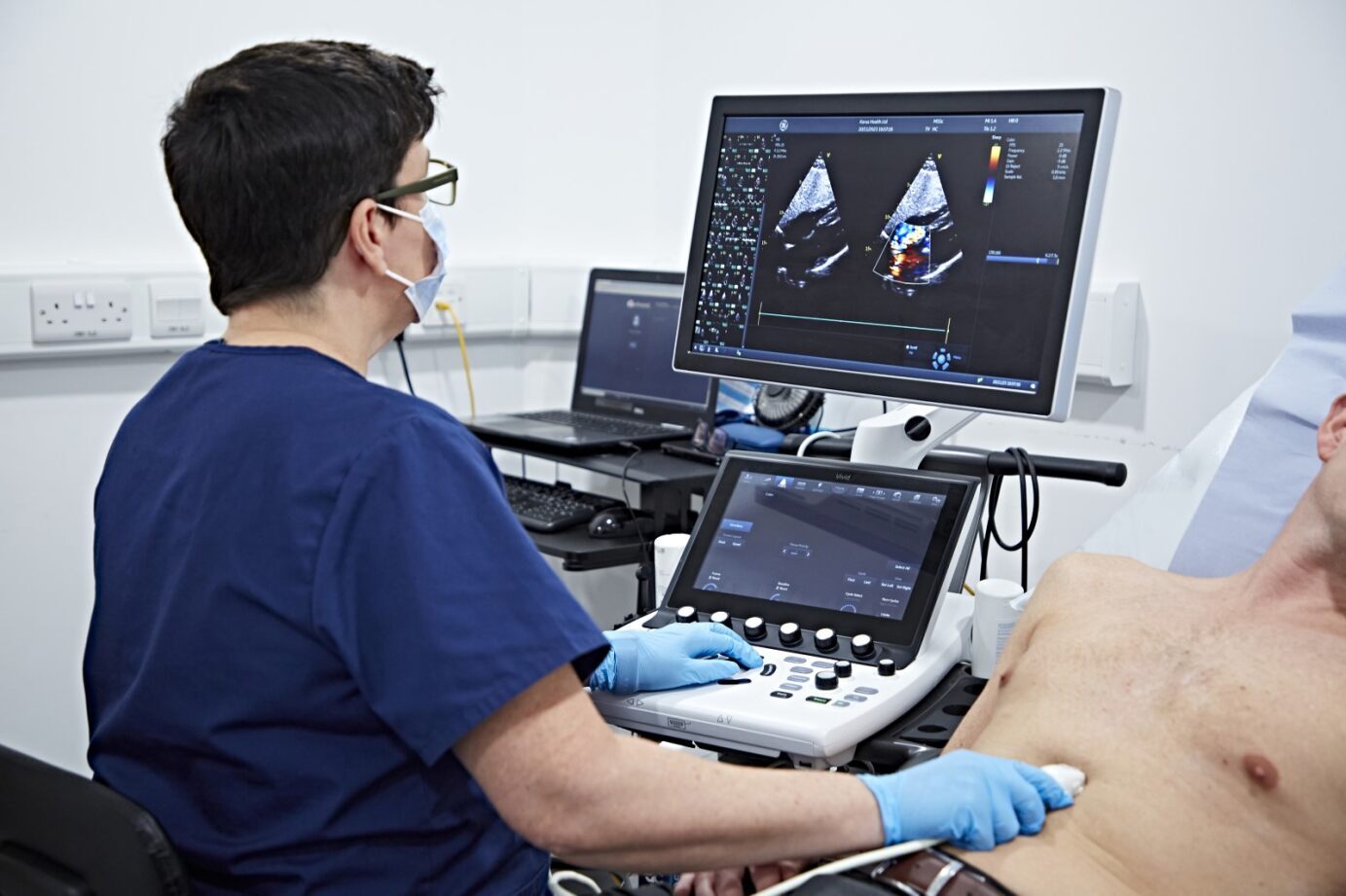
Answer: An echocardiogram, often called an echo, is a non-invasive test that uses ultrasound waves to create images of the heart. This test helps doctors see the heart beating, pumping blood, and can identify various heart conditions.
2. How is an Echocardiogram Performed?
Answer: An echocardiogram is performed by a trained technician who uses a handheld device called a transducer. The transducer sends out sound waves that bounce off the heart structures and return as echoes. These echoes are converted into moving images on a screen.
3. Why Do I Need an Echocardiogram?
Answer: An echocardiogram is used to diagnose and monitor heart conditions. It can detect issues such as heart valve problems, heart defects, cardiomyopathy, and the effectiveness of treatments for heart diseases.
4. What Are the Types of Echocardiograms?
Answer: There are several types of echocardiograms, including:
- Transthoracic echocardiogram (TTE): The most common type, where the transducer is placed on the chest.
- Transesophageal echocardiogram (TEE): The transducer is guided down the esophagus to get a closer look at the heart.
- Stress echocardiogram: Taken before and after exercise to assess heart function under stress.
- Doppler echocardiogram: Measures the speed and direction of blood flow in the heart.
5. Is an Echocardiogram Safe?
Answer: Yes, an echocardiogram is safe. It is a non-invasive, painless procedure with no known risks associated with the ultrasound waves used to produce the images.
6. How Long Does an Echocardiogram Take?
Answer: A standard transthoracic echocardiogram typically takes about 30 to 60 minutes. However, the duration can vary depending on the type of echocardiogram and the complexity of the test.
7. Do I Need to Prepare for an Echocardiogram?
Answer: For a transthoracic echocardiogram, no special preparation is usually needed. For a transesophageal echocardiogram, you may be instructed to fast for a few hours before the test. Your doctor will provide specific instructions based on the type of echocardiogram.
8. What Can an Echocardiogram Detect?
Answer: An echocardiogram can detect a variety of heart conditions, including:
- Heart valve disease
- Congenital heart defects
- Cardiomyopathy
- Pericardial disease
- Heart infections (endocarditis)
- Aneurysms
- Blood clots within the heart
9. How Much Does an Echocardiogram Cost?
Answer: The cost of an echocardiogram in London Private Ultrasound is £250, You do not need a referral to book our clinics and we welcome any calls or emails – we have a team of clinicians who can provide you with further details and answer any questions you may have. You may also be interested in our Cholesterol Health Packages with a range of options from £200 to assess your Cholesterol state and provide guidance on the appropriate actions to take.
10. What Happens After an Echocardiogram?
Answer: After an echocardiogram, the results are typically reviewed by a cardiologist. They will interpret the images and provide a report to your primary care doctor. You will then discuss the findings and any necessary treatment or follow-up tests.
11. What Should You Not Do After an Echocardiogram?
Answer: After a standard transthoracic echocardiogram (TTE), there are generally no restrictions, and you can resume your normal activities immediately. However, if you had a transesophageal echocardiogram (TEE), you might need to avoid eating or drinking for a few hours post-procedure due to the sedation. Always follow your doctor’s specific post-procedure instructions.
12. Why Can’t You Eat or Drink Before an Echocardiogram?
Answer: For a transesophageal echocardiogram (TEE), you are usually instructed not to eat or drink for at least six hours before the test. This is because fasting reduces the risk of aspiration (inhaling stomach contents into the lungs) during the procedure, which involves passing a transducer down the esophagus to get detailed images of the heart.
13. Are There Any Restrictions Before an Echocardiogram?
Answer: For a standard transthoracic echocardiogram (TTE), there are no specific restrictions, and you can eat and drink normally before the test. However, for a transesophageal echocardiogram (TEE), you should fast for at least six hours prior to the procedure. For a stress echocardiogram, you may be asked to avoid caffeine and certain medications for a period before the test. Always follow the specific instructions provided by your healthcare provider.
14. Can I Drink Alcohol the Night Before an Echocardiogram?
Answer: Drinking a moderate amount of alcohol the night before a standard transthoracic echocardiogram (TTE) generally does not affect the test results. However, for a transesophageal echocardiogram (TEE) or a stress echocardiogram, it is best to avoid alcohol as it can interfere with the fasting requirements and may affect your heart’s response during a stress test. It’s always best to follow any specific instructions given by your healthcare provider.
15. What Interferes with an Echocardiogram?
Answer: Several factors can interfere with the quality of an echocardiogram, including:
- Obesity: Excess body fat can make it difficult to obtain clear images.
- Lung Disease: Conditions like chronic obstructive pulmonary disease (COPD) can obscure heart images.
- Chest Deformities: Structural abnormalities in the chest can impact image clarity.
- Patient Movement: Excessive movement during the procedure can cause blurred images.
- Poor Acoustic Windows: This refers to inadequate spaces between the ribs through which sound waves can pass effectively.
16 What Are the Pitfalls in Echocardiogram?
Answer: Some common pitfalls in echocardiograms include:
- Operator Dependency: The quality of the test can vary based on the technician’s experience and skill.
- Limited Acoustic Windows: Certain patient anatomy may not allow for optimal imaging angles.
- Misinterpretation: Variability in interpreting results can lead to diagnostic errors.
- Artifacts: External factors or internal structures may create artifacts, misleading the interpretation.
- Inadequate Image Quality: Poor image quality can occur due to technical limitations or patient factors, affecting diagnostic accuracy.
17. Why Do They Check Your Stomach During an Echocardiogram?
Answer: During an echocardiogram, particularly a transthoracic echocardiogram (TTE), the technician may check the upper abdomen to get better views of the heart from below the diaphragm. This can help provide a clearer image of certain heart structures that might be difficult to visualize from the chest alone.
19. How Do You Stay Calm During an Echocardiogram?
Answer: Staying calm during an echocardiogram can be achieved by:
- Deep Breathing: Practice slow, deep breaths to relax.
- Positive Visualization: Think of calming images or places.
- Ask Questions: Understanding the procedure can reduce anxiety.
- Bring a Friend or Family Member: Having a supportive person with you can provide comfort.
- Listen to Music: Some facilities allow you to listen to music during the procedure.
20. Can I Drive Myself Home After an Echocardiogram?
Answer: Yes, you can drive yourself home after a standard transthoracic echocardiogram (TTE), as it is a non-invasive procedure with no sedation involved. However, if you had a transesophageal echocardiogram (TEE) or a stress echocardiogram involving medication, you might need to arrange for someone to drive you home, especially if you were sedated during the procedure.
Why Choose London Private Ultrasound?
At London Private Ultrasound, we prioritize your health and comfort. Our team of experienced radiologists and healthcare professionals are dedicated to providing the highest quality of care. Here’s why you should choose us:
- Expert Radiologists: Our team consists of highly trained and experienced radiologists who are experts in ultrasound diagnostics.
- State-of-the-Art Technology: We use the latest ultrasound machines to ensure the highest level of accuracy in our scans.
- Patient-Centered Care: We focus on creating a comfortable and stress-free environment for our patients.
- Timely Results: We understand the importance of quick diagnosis and provide fast and reliable results.
- Convenient Location: Located in the heart of London, our clinic is easily accessible.
Book Your Ultrasound Scan Today
At London Private Ultrasound, we are committed to providing high-quality diagnostic services with a patient-centered approach. Our expert radiologists and cutting-edge technology ensure that you receive the best possible care.
Don’t wait to get the answers you need. Book your abdomen or pelvic ultrasound scan today by contacting us at:
Address: 27 Welbeck Street, London, W1G 8EN
Tel: 020 7101 3377
You can also schedule an appointment online through our website. Experience the convenience, comfort, and expertise at London Private Ultrasound.
We look forward to assisting you with your healthcare needs and ensuring you receive the best possible diagnostic care.